
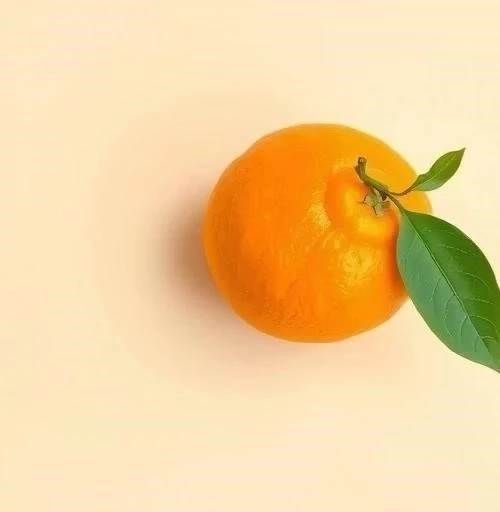
The English word for the fruit called апельсин in Russian is orange. It has six letters and is spelled in this order: O-R-A-N-G-E. In lowercase‚ write orange. The first letter is capitalized only when the word begins a sentence or appears in a title where title case is used.
Pronunciation and spelling
Orange is commonly pronounced /ˈɒrɪndʒ/ in British English and /ˈɔːrɪndʒ/ in American English. Pronunciation varies slightly by accent‚ but the spelling stays the same. The word has two syllables: or-ange. Its final sound is like the sound at the end of large‚ not a separate hard “g” followed by “e.” Listening to the word can help‚ but remembering its six letters is the most reliable way to spell it.
A useful letter-by-letter reminder is: O as in open‚ R as in red‚ A as in apple‚ N as in nose‚ G as in green‚ and E as in egg. Say the letters slowly—“O‚ R‚ A‚ N‚ G‚ E”—and then say the whole word. This can help learners avoid leaving out the “a” or mixing up the last two letters.
What does “orange” mean?
Orange can refer to a round citrus fruit‚ the color associated with that fruit‚ or a drink made from the fruit. Context tells you which meaning is intended. For example‚ in “I ate an orange‚” it is a countable fruit; In “The sunset is orange‚” it names a color. In “Would you like orange juice?” it describes the flavor or ingredient of the juice.
Examples in sentences
-
She packed an orange for her lunch.
-
He peeled the orange carefully.
-
The bright orange bag is easy to see.
-
We squeezed fresh orange juice for breakfast.
Plural and common mistakes
The regular plural is oranges: add -s to the singular word. For example: “There are three oranges in the bowl.” The color adjective usually does not change: “three orange flowers‚” not “three oranges flowers.” When talking about several fruits‚ use the plural noun oranges; when describing the color of several things‚ use orange before the plural noun.
Common spelling errors include orenge‚ ornage‚ and orangee. The correct spelling has one o at the beginning‚ then r-a-n‚ followed by g-e. There is no extra letter at the end. A quick check is to count: o-r-a-n-g-e contains six letters.
Quick answer
If you only need the translation‚ write orange. The Russian word апельсин translates to orange in English‚ and the word is spelled the same whether it means the fruit or the color. For a single fruit‚ say an orange; for more than one‚ say oranges.



8 Comments. Оставить новый
The sentence examples are simple and memorable, and they show how context determines the meaning of the word.
A concise and informative overview. The contrast between the fruit noun and the color adjective is explained particularly well.
The pronunciation notes and syllable breakdown add useful context without making the spelling advice hard to follow.
Clear and practical explanation of how to spell “orange.” The letter-by-letter reminder is especially helpful for learners.
A helpful guide for English learners. The section on the plural form clearly explains the difference between oranges and orange flowers.
This is an approachable spelling lesson. I especially appreciate the tips for avoiding common letter-order mistakes.
I like how the article distinguishes the fruit, the color, and the flavor. The examples make each meaning easy to understand.
The article is well organized, moving from spelling to pronunciation, meaning, and usage. It would be a useful reference for beginners.