
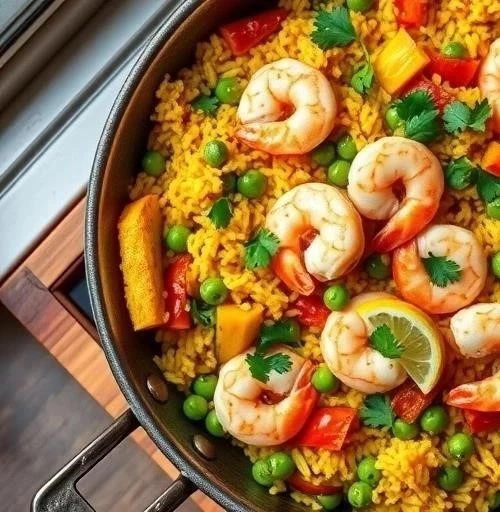
Spanish paella is a Mediterranean favorite, offering a flexible seafood recipe suited to a light dinner or healthy lunch, with a fresh, balanced character and familiar family-style gatherings.
Introduce Spanish paella as a Mediterranean cuisine favorite and a flexible seafood recipe for a light dinner or healthy lunch.
Spanish paella is a celebrated part of Mediterranean cuisine, valued for its convivial spirit and adaptable character. Its Spanish roots have travelled widely, making the dish a familiar favorite across Mediterranean tables and beyond. As a flexible seafood meal, it can suit an unhurried light dinner or a satisfying healthy lunch, depending on the occasion and serving size. The style welcomes variation while retaining the relaxed, shareable feel associated with coastal cooking. This approachable version keeps the focus on balance and makes paella an easy fit for everyday dining as well as a relaxed shared table.
Gather rice for paella, shrimp, seasonal vegetables—bell pepper, green peas, and tomatoes—plus onion, garlic, olive oil, and fresh cilantro.
Select rice for paella, shrimp, seasonal vegetables, bell pepper, green peas, tomatoes, onion, garlic, olive oil, and fresh cilantro. Choose fresh produce in good condition and adjust the selection to what is available locally. Use quantities suited to the number of servings; keep the rice and shrimp central, with vegetables providing color and variety. Fresh cilantro, onion, and garlic complement the assortment, while olive oil is a familiar pantry staple. Check each item, remove damaged portions, and have the ingredients ready for the recipe.
Prepare the aromatic spices: saffron and paprika; measure the vegetable broth and lemon juice, and chop the fresh herbs.
Measure the vegetable broth and lemon juice before beginning. Set out saffron and paprika, keeping their amounts suited to the recipe. Crush the saffron gently between your fingers to release its aroma, and keep the paprika dry until needed. Rinse the fresh cilantro and other herbs, pat them dry, then chop them finely. Place the measured liquids, spices, and chopped herbs in separate small containers so each is easy to reach. This simple preparation keeps the ingredients organized and allows the cook to add them at the appropriate stage without interrupting the process.
Follow the stovetop cooking sequence: sauté the vegetables, add the rice and spices, pour in the broth, cook until tender, then add the shrimp and finish with lemon juice and cilantro.
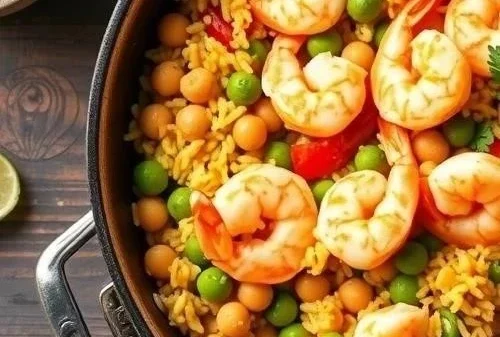
Warm olive oil in a wide pan and sauté the prepared vegetables until softened. Stir in rice and the aromatic spices, coating the grains evenly. Pour in vegetable broth, bring it to a gentle simmer, and cook without frequent stirring until the rice is nearly tender and most liquid is absorbed. Add shrimp and continue cooking until opaque and fully cooked. Remove the pan from the heat, then finish with lemon juice and chopped cilantro. Let the paella rest briefly before serving so the flavors settle. Keep the heat moderate and avoid overcooking the shrimp for a tender, balanced result.

3 Comments. Оставить новый
The article has a clear, accessible focus on seafood, vegetables, and aromatic seasonings. Its emphasis on adjusting ingredients to availability is helpful, but the supplied text stops mid-instruction.
The overview connects paella with Mediterranean dining and offers useful suggestions for selecting ingredients. A complete set of cooking steps would make the article more useful to readers.
The article presents paella as an adaptable meal and clearly introduces its main ingredients. The preparation guidance is practical, though the text appears to end before the recipe is complete.