
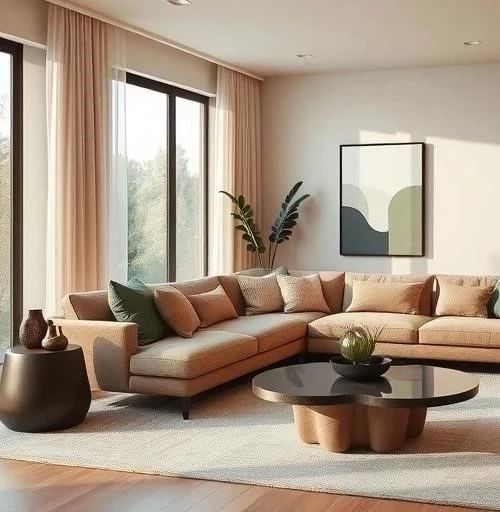
A successful living room design begins with the needs of its users, not a trend․ A contemporary living room interior should support conversation, relaxation and everyday activities․ Before choosing finishes, define how many people use the room, what they do there and which items need to be stored․ These answers guide the living room layout and help create a functional living room rather than a merely attractive one․
Plan the room around real life
Measure the room, note doors, windows and outlets, then map circulation routes․ Space zoning can distinguish a lounge, reading corner or work area without making the room feel divided․ In a small home, a rug, sofa position or shelving unit can mark each zone․ Spatial ergonomics means leaving comfortable routes between furniture and ensuring that seats, tables and screens are easy to use․ A clear furniture arrangement makes the room feel calmer and more practical․
Choose living room furniture to match the dimensions and purpose of each zone․ Modular furniture can adapt to changing needs, while upholstered furniture should be selected for comfort, durability and ease of care․ Consider living room storage early: closed cabinets reduce visual clutter, and open shelves can display a few meaningful objects․ In an apartment design project, repeating finishes or forms between the living room and adjoining areas can create a coherent whole․
Build a balanced visual scheme
An interior color palette is most effective when it has a calm base, a secondary tone and limited accents․ Finishing materials should suit the household as well as the desired appearance; compare their maintenance needs, texture and durability․ The combination of textures—such as wood, woven fabric and smooth stone—adds depth without requiring strong patterns․ Minimalism in interiors does not mean removing personality: it means choosing decorative elements carefully and giving them room to stand out․
Plan living room lighting in layers․ General light supports everyday tasks, task lighting serves reading or work, and accent lighting draws attention to art or architectural details․ Several lighting scenarios, controlled separately, let the room shift from bright and practical to soft and relaxed․ Textiles in interiors, including curtains, cushions and rugs, can soften acoustics and tie colors together․ These choices support a cozy living room while keeping the contemporary style restrained․
Make the design personal
Current design trends can offer inspiration, but they should not dictate every choice․ Visual enlargement of space often comes from clear sightlines, light colors, mirrors used thoughtfully and furniture with an open base․ Professional designer tips include testing samples in the actual room, checking lighting at different times of day and prioritizing storage before buying accessories․ The best interior solutions balance appearance, comfort and maintenance․
A well-prepared interior project coordinates layout, finishes, lighting and furniture before installation begins․ A custom design project can address unusual dimensions, individual routines and future changes․ Whether the work is a full apartment design project or a single-room update, careful planning turns living room styling into a consistent, usable result․

2 Comments. Оставить новый
The article offers a practical approach to living room design, starting with household needs and room measurements. Its guidance on zoning, furniture, storage and material choices makes the advice easy to apply.
The discussion connects visual choices with everyday function, including circulation, durability and clutter management. The suggestions are clear and relevant for both small homes and larger living spaces.