
The English word watch has several meanings‚ so there is no single Russian translation that works in every sentence․ It can be a noun or a verb‚ and the surrounding words usually make its meaning clear․ Translating it correctly means looking at the whole phrase‚ not simply replacing the word with the first dictionary entry․
“Watch” as a noun: часы
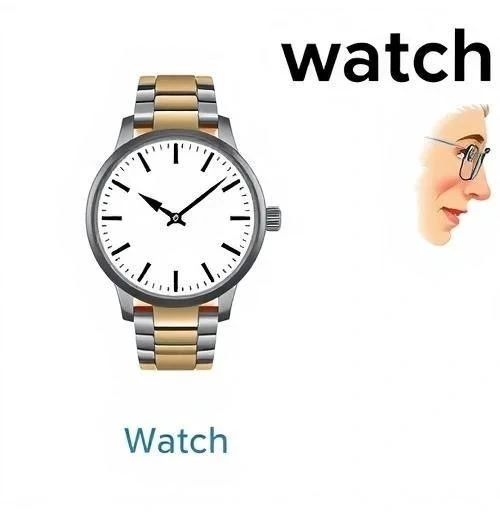
Most commonly‚ a watch is a portable timepiece worn on the wrist or carried in a pocket․ In Russian‚ this is часы: “She bought a new watch” means «Она купила новые часы»․ English normally uses the article a with singular watch‚ while Russian uses the plural form часы․ This difference is grammatical‚ not a change in meaning․
A wristwatch is наручные часы‚ and a pocket watch is карманные часы․ The word may also mean a period of duty spent guarding or monitoring something: He was on watch can be translated as «Он был на дежурстве» or «Он нёс вахту»‚ depending on the setting․ Thus‚ “часы” is a good translation only when the sentence refers to a timepiece․
“Watch” as a verb: смотреть
As a verb‚ watch often means смотреть‚ especially when someone pays attention to an activity‚ event‚ or moving image: We watched a film — «Мы посмотрели фильм»; Watch the children — «Присмотри за детьми»; It suggests focused attention‚ and sometimes supervision‚ rather than merely directing one’s eyes at something․
This helps distinguish watch from see and look․ See commonly means to perceive something‚ often without trying: I saw a bird — «Я увидел птицу»․ Look usually means to direct your eyes‚ often briefly or deliberately: Look at this picture — «Посмотри на эту картинку»․ Watch is especially natural when attention continues over time: They watched the game, «Они смотрели матч»․
Other useful meanings
- наблюдать‚ следить за: Scientists watched the animals — «Учёные наблюдали за животными»․
- следить за‚ контролировать: Watch your spending, «Следи за расходами»․
- беречься‚ быть осторожным: Watch your step — «Осторожно‚ ступенька»; Watch out!, «Берегись!»
- присматривать за: Can you watch my bag? — «Можешь присмотреть за моей сумкой?»
The verb also appears in phrasal expressions․ Watch over someone means заботиться о ком-то or охранять кого-то‚ while watch for something means ждать или высматривать что-то: Watch for the sign, «Смотри‚ не пропусти указатель»․
How to choose the right translation
First identify the part of speech: a watch is often «часы»‚ while to watch is a verb․ Then ask what is happening: is someone checking the time‚ viewing a film‚ keeping guard‚ or being careful? Finally‚ translate the phrase naturally rather than word for word․ For example‚ Watch your language is «Следи за языком»‚ not «Смотри на свой язык»․ In short‚ context determines whether watch means «часы»‚ «смотреть»‚ «наблюдать»‚ «присматривать» or «быть осторожным»․
1 Comment. Оставить новый
This is a clear, well-organized explanation of why “watch” needs different Russian translations depending on context. The comparisons with “see” and “look” are especially helpful because they explain the difference in attention, not just provide equivalents. The examples make the grammatical contrast between “a watch” and часы easy to understand.