

At dawn, the road into Lagunas de Montebello National Park feels like a green corridor opening onto a secret․ Mist drifts between pine trees; somewhere beyond them, water is quietly changing color․ This corner of Chiapas is famous for its lakes—often described as a collection of dozens, each tinted by depth, minerals, and the light overhead․ The best plan is not to race around collecting viewpoints․ Give the day a gentle rhythm, and let the colors do the scheduling․
Before the sun clears the trees
Base yourself in Comitán de Domínguez, or stay nearer the park if you want a slower morning․ From Comitán, allow roughly two hours by road, with extra time for stops and changing conditions․ Leave early, pack water, a light jacket, sun protection, and a small supply of cash․ The mountain air can feel cool at breakfast, while midday sun is much stronger․ Check local access and road information before setting out; distances between lakes, entrances, and viewpoints make a car or prearranged transport useful․
6:00–8:00 a․m․, The journey is part of the visit․ Watch the landscape wake up: rooftops give way to farms, then forest, and the air turns crisp․ Eat something before departure or bring a simple breakfast to enjoy after entering the area․ Keep snacks in reusable containers and take every wrapper back with you․ A thermos of coffee is a small luxury; the first pale view of a lagoon makes it taste like a travel ritual․
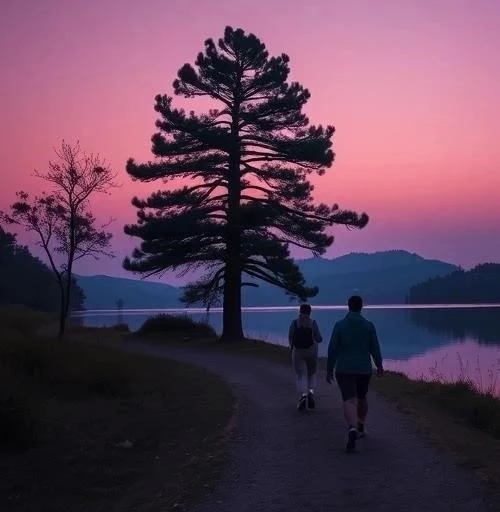
Morning: meet the water slowly
8:00–10:30 a․m․, Begin with a viewpoint․ Start at an accessible lake and spend a few unhurried minutes looking rather than photographing․ Notice how the water shifts from jade to turquoise as the sun rises․ A lake’s famous color is not a painted surface: it can look different from every shore, in every season, and under every cloud․ Ask park staff which viewpoints are open and what conditions are like that day․
Move on to a second lagoon, choosing one that offers a different angle or a short forest walk․ Some lakes are close together; others require a drive, so resist the temptation to squeeze in every stop․ If you find a quiet stretch of shore, sit and listen: bird calls, wind in the pines, and the soft movement of water make a better soundtrack than a phone․ Stay on marked paths, and do not climb fragile banks for a dramatic picture․
10:30 a․m․–12:30 p․m․ — Add a little adventure․ Depending on current rules and local availability, you may find boat rides or other lake activities at designated spots․ Confirm prices, duration, and safety arrangements before you go, and wear a properly fitted life jacket whenever required․ Swimming is not suitable or permitted everywhere, so ask before entering the water․ The park is not a theme park: protecting its lakes and forest is part of the experience․
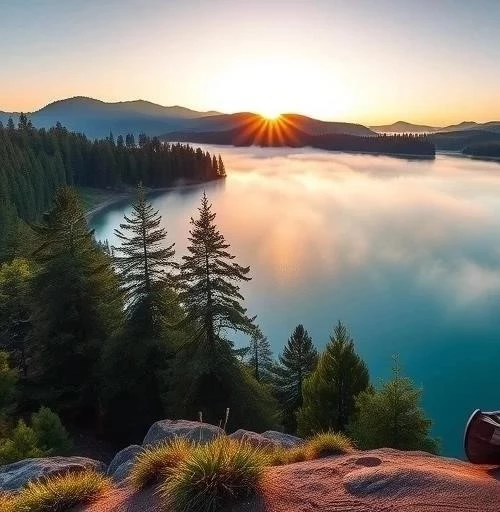
Midday: a pause beneath the pines
12:30–2:00 p․m․ — Take lunch without hurrying․ Choose a local eatery near the park or a permitted picnic area․ Regional Chiapanecan food makes a satisfying pause; ask about ingredients if you have dietary needs․ Keep food sealed when you are not eating, and leave the place cleaner than you found it․ Midday is also a good time to rest in the shade․ The lakes will still be there after your shoulders have stopped trying to carry the whole itinerary․
Afternoon: follow the changing palette
2:00–4:30 p․m․ — Choose one final cluster of stops․ Light now falls differently across the water, revealing colors that the morning concealed․ Pick a lake with a short, manageable trail, or return to a favorite viewpoint to see how it has transformed․ If you are traveling with children or anyone who prefers a gentler pace, keep walks brief and build in a snack break․ The most memorable discovery may be a small one: a reflection between tree trunks, a butterfly over the path, or a patch of sky caught in still water․
Leave enough time to get back before dusk, especially if you are driving unfamiliar roads․ Follow posted signs, avoid stopping in unsafe places, and do not assume every route is well lit․ A flexible schedule is more valuable than one extra photograph․ If rain arrives, shorten the outdoor portion and ask locally about conditions rather than pushing on through slippery trails․
Evening: a walk, not a sprint
4:30–6:00 p․m․ — Finish with a quiet stroll․ Choose a safe, authorized path or a village street near your overnight stop, rather than wandering around the park after closing․ Evening light softens the day’s sharp greens, and the cool air invites one last unhurried walk․ Stop for a warm drink or an early dinner, then look back at the day as a sequence of colors—not a checklist: mist, blue water, pine shade, and the last gold on the road․
Make it work for a shorter escape
With only half a day, leave early from Comitán, visit two nearby viewpoints, take one short walk, and have lunch before returning․ For an overnight mini-break, arrive the previous evening and use the full day for a slower circuit․ In either version, check opening details, weather, transport, and activity availability close to your visit․ Pack out rubbish, respect local guidance, and give the lakes room to remain wild․ Montebello rewards curiosity, but its finest luxury is time: enough to watch one color change before asking what comes next․
1 Comment. Оставить новый
This guide treats the lakes less like a checklist and more like a conversation with the morning—an inviting idea for a place whose colors refuse to stay still. I especially like the reminder to pause before reaching for the camera; it turns “seeing” into the real itinerary. Practical advice and a little wonder, packed for the road.