
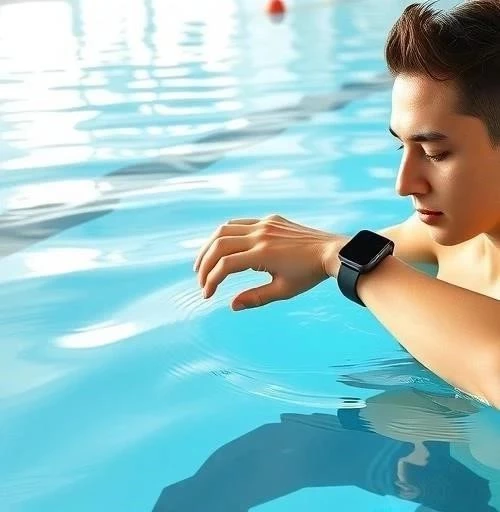
An Apple Watch can track pool and open-water swims, but preparation matters․ Water resistance is not permanent and does not mean every model is suitable for every water activity․ Before swimming, check Apple’s specifications for your exact watch: supported depth and activities vary by model․ If the case or screen is cracked, do not take it into the water․
Before you get in
- Choose a suitable workout․ Open Workout and select Pool Swim or Open Water Swim․ For a pool, enter its length accurately; this helps the watch estimate distance and laps․ In open water, use the outdoor swim option․
- Fit the watch securely․ Wear it snugly above the wrist bone so its sensors maintain contact․ A loose fit can make heart-rate readings less reliable․ Use a band suited to water; leather and some metal bands may be poor choices․
- Start the workout․ Tap the chosen activity and begin recording before you swim․ The watch can track measures such as time, distance, laps, pace and heart rate, though readings are estimates, not medical measurements․
Water Lock and controls
During a swim, the display may respond unpredictably to water․ Water Lock helps prevent accidental taps by locking the screen; on supported models, it may turn on automatically when you start a water workout․ You can also enable it manually from Control Center․ It does not make the watch more waterproof or increase its water-resistance rating․
When you finish, turn the Digital Crown to unlock the screen and follow the prompt to eject water from the speaker․ This feature helps clear water; it is not a substitute for rinsing and drying the watch․ If buttons or the display behave oddly, do not press hard—dry the device and try again․
Pool versus open water
Pool tracking relies partly on the length you enter and your arm movements, so choose the correct pool size and swim naturally․ Open-water distance and route can be less consistent: GPS signals do not travel well underwater, and turns, buildings or conditions can affect a recorded route․ Treat the map and pace as useful estimates rather than exact measurements․
After swimming
- Rinse the watch gently with fresh, clean water, especially after swimming in a pool or the sea․ Avoid forceful sprays․
- Dry it with a soft, lint-free cloth․ Let the charging area dry completely before connecting a charger․
- Do not use heat, compressed air, soaps or cleaning products to dry or clean it․ Follow Apple’s care guidance for your model․
Do not assume water resistance makes the watch suitable for diving, waterskiing, high-velocity water or hot tubs․ Follow the limits Apple lists for your model, and inspect the watch regularly․ Careful setup and rinsing make swim tracking more dependable while reducing avoidable wear․
7 Comments. Оставить новый
The article appropriately separates pool and open-water tracking rather than implying they work identically. Mentioning GPS limitations underwater helps set realistic expectations for route and distance data.
The distinction between water resistance and suitability for a particular activity is important. Checking the exact model’s specifications before swimming is a practical first step, especially because damage to the case or screen can affect its protection.
The guidance on wearing the watch snugly and choosing a water-suitable band adds helpful detail beyond simply starting a workout. The note about sensor contact also gives a reasonable explanation for why a loose fit can affect readings.
I appreciate the clear explanation that Water Lock prevents accidental screen inputs but does not improve water resistance. That distinction can prevent users from treating a software feature as extra physical protection.
The post-swim instructions are sensible, particularly the reminder not to press hard if the controls behave oddly. Explaining that speaker water ejection is not a substitute for rinsing and drying makes the advice more complete.
This is a practical overview that balances useful setup tips with appropriate cautions about model differences and measurement accuracy. Its emphasis on checking specifications makes the recommendations safer to apply across different watches.
The advice to enter the correct pool length is useful because lap and distance estimates depend on that setting. It also helps readers understand that the watch’s measurements are estimates rather than exact results.