
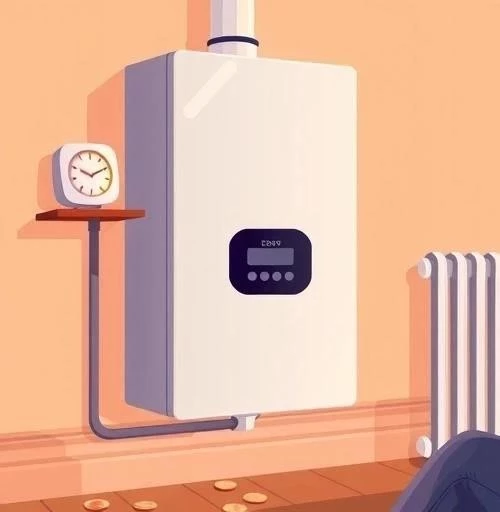
Rising electricity prices make an electric boiler less automatically attractive, but they do not make it a poor choice in every home. The right question is not simply whether electricity is expensive; it is whether the total heating cost suits the building, household and available alternatives. An electric boiler is compact, quiet and easy to control, yet its running costs depend directly on electricity tariffs and the home’s energy consumption.
Calculate the real cost first
Before choosing equipment, estimate annual energy use. A reliable electricity consumption calculation starts with the home’s heat demand, which is shaped by its size, climate, insulation and heat loss. A poorly insulated house may have high heating expenses whatever the boiler, so home insulation can often save more than replacing a new, correctly sized unit. Ask an installer to assess the heating system and expected load rather than relying on the boiler’s maximum power rating alone.
Then compare your local electricity tariffs. A multi-tariff meter, including a two-rate meter, can reduce bills if a substantial share of consumption can be shifted to the night tariff. This works best with a heat-storage tank or a building that retains heat well; simply running the boiler at night may not keep rooms comfortable all day. Check whether a preferential electricity tariff is available and confirm its conditions with the supplier.
Improve efficiency before switching
An electric boiler converts nearly all the electricity it uses into heat at the point of use, but that does not guarantee low bills. Electric boiler efficiency in practice depends on avoiding unnecessary demand. A thermostat, sensible temperature control and weather-compensated automation can prevent overheating and match output to conditions. These controls help, but they cannot compensate for severe heat loss or a high tariff. Better energy efficiency begins with insulation, draught reduction and correctly balanced radiators.
Compare alternatives fairly
For heating a private house, autonomous heating with an electric boiler can be compelling where gas is unavailable, installation simplicity matters, or the home is small and well insulated. Gas heating may cost less to run where a connection is already available, but connection and equipment costs count. A solid-fuel boiler can use cheaper fuel, though it requires storage, handling and regular attention. A heat pump can deliver more heat per unit of electricity, but its purchase price, climate suitability and installation quality matter. These alternative heating sources should be compared over their full service life, not by fuel price alone.
Decision
An electric boiler is most defensible when heat demand is modest, controls are effective, and tariffs or a night-rate plan are favourable. If prices rise, reassess the tariff, reduce heat loss and compare actual annual bills before replacing the system. The payback of an electric boiler depends on purchase and installation costs, maintenance, energy use and the cost of competing options. In short, rising prices call for calculation, not an automatic rejection: the boiler can remain practical, but only when the home and tariff make the numbers work.


9 Comments. Оставить новый
I appreciate the emphasis on calculating heat demand before comparing equipment. Looking only at a boiler’s rated power could lead to an oversized system, while a proper assessment gives homeowners a more realistic basis for estimating both comfort and cost.
The point that insulation may matter more than replacing a functioning boiler is especially valuable. It encourages readers to address the cause of excessive heat demand instead of treating new equipment as a guaranteed solution.
The article sensibly recommends checking tariff eligibility and conditions with the supplier. Electricity pricing arrangements vary, so this step can help prevent a household from basing its decision on a discount it cannot actually use.
This is a balanced overview because it identifies practical advantages such as quiet operation and straightforward control without presenting them as proof of low running costs. Readers are reminded to weigh convenience against their local electricity prices.
I found the explanation of controls helpful. Thermostats and weather compensation can reduce avoidable demand, but the article is right that they cannot overcome serious heat loss or make a high tariff disappear.
The discussion of multi-rate tariffs is appropriately conditional. Shifting consumption to cheaper hours can help, but the explanation correctly notes that storage capacity and the home’s ability to retain heat determine whether the strategy is practical.
The advice is practical because it treats the heating system and the building as parts of the same decision. Balancing radiators, reducing draughts and assessing the expected load can all contribute to a more informed choice than comparing boiler prices alone.
The article makes a useful distinction between an electric boiler’s conversion efficiency and the cost of operating it. That distinction helps readers avoid assuming that a technically efficient appliance will automatically produce affordable bills.
A useful next step for readers would be to compare the estimated annual cost of an electric boiler with other heating options available to them. Even so, the article provides a strong starting point by focusing on heat demand, tariffs and the condition of the building.