
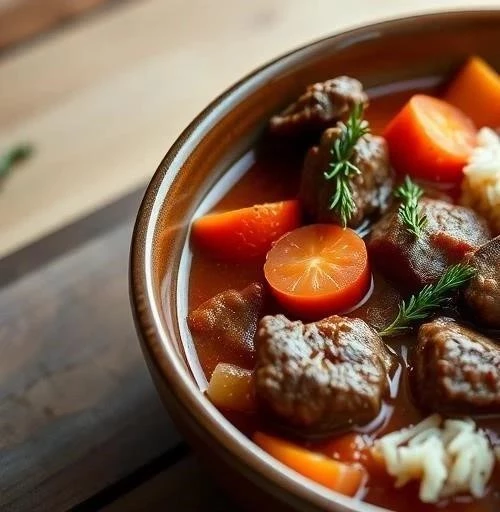
This Italian beef roast deserves a place at dinner: beef‚ thyme rice‚ tomatoes‚ garlic‚ herbs‚ and broth create a balanced‚ comforting main course. A wise choice for home cooks.
Choose the right beef: chuck is ideal for slow-cooked‚ tender beef‚ while tenderloin suits a quicker version of this Italian-style dish.
For this roast‚ the cut determines whether each serving feels deeply succulent or simply delicate‚ so choose according to the time you have and the texture you value. Chuck‚ or beef shoulder‚ is the stronger choice when tenderness is the priority: its connective tissue and natural marbling soften during a long cook‚ giving the meat a rich‚ yielding bite rather than a dry‚ stringy one. That makes chuck especially dependable for diners who want a substantial‚ fork-tender portion‚ and it usually offers better value than premium tenderloin. Choose pieces of similar thickness and trim only hard excess fat; modest marbling is useful‚ while a uniform shape helps portions finish evenly and makes serving straightforward. By contrast‚ tenderloin is naturally tender‚ leaner‚ and far more costly‚ so it suits a faster preparation when a softer‚ fine-grained texture matters more than the hearty character associated with chuck.
Build a deeper sauce with olive oil‚ onion‚ garlic‚ tomatoes‚ tomato sauce‚ bell pepper‚ carrot‚ beef broth‚ red wine‚ and beef spices.
A deeper sauce matters because it gives the roast a rounded‚ savory base rather than a thin coating; Cook garlic briefly‚ since its aroma deepens the base‚ while browned bits add rich savory complexity. Stir in tomatoes and tomato sauce; their acidity keeps the richness lively‚ not cloying. Deglaze with red wine‚ scraping the pan‚ then add beef broth to carry deep flavor through every bite. Add beef spices gradually; a restrained hand preserves tomato’s brightness and prevents excess salt.
Season the beef with thyme‚ rosemary‚ and Italian herbs; argue for stovetop braising when tenderness matters most‚ or oven cooking for even‚ hands-off heat.
Season the beef evenly with thyme‚ rosemary‚ and Italian herbs‚ pressing the leaves gently onto every surface. This combination is worth using because thyme brings a dry‚ earthy note‚ rosemary adds pine-like fragrance‚ and the herb blend ties the seasoning into a distinctly Italian profile. For the softest result‚ choose stovetop braising: steady‚ low heat gives you control‚ keeps the liquid at a quiet simmer‚ and makes it easy to check tenderness without overcooking. It is the better option when a fork-tender texture is the priority. Oven cooking‚ however‚ has a clear advantage when convenience matters; its surrounding‚ even heat needs less attention and reduces hot spots. Keep the pot covered and use moderate heat‚ since a vigorous boil can toughen the beef. In short‚ braise on the stove for hands-on tenderness‚ or use the oven for reliable‚ mostly hands-off cooking. Steady‚ low heat helps keep beef tender.
Serve the braised beef over thyme rice: carefully cooked‚ fluffy rice balances the rich meat-and-rice combination and completes this hearty homemade main course.
Serve the beef on a warm platter of thyme rice‚ arranging the grains as a soft‚ fragrant bed rather than packing them tightly. This presentation is practical as well as appealing: separate‚ fluffy grains catch a little of the braising liquid‚ while their gentle herbal aroma offsets the roast’s richness without competing with it. Spoon the meat over the center‚ then add only enough cooking juices to gloss the rice; flooding the plate would hide its delicate texture. For a balanced portion‚ let rice occupy roughly half the plate and place beef beside or partly atop it‚ so each forkful can combine both. Finish with a few fresh thyme leaves if desired‚ and serve promptly while the rice is warm and the beef remains tender. Serve it warm with extra rice.



8 Comments. Оставить новый
I appreciate the emphasis on keeping some marbling and choosing pieces of similar thickness. Those details make the advice more actionable and explain how to improve both tenderness and even cooking.
This is useful guidance for choosing a cut and building a balanced sauce. The final mention of stovetop braising seems to introduce an important method, but the article would benefit from explaining how to maintain a gentle simmer and when to check the beef.
The advice to brown the beef and scrape up the browned bits is a strong practical detail because those steps build flavor before the liquid is added. The explanation makes the technique feel purposeful rather than routine.
The comparison between chuck and tenderloin is useful because it connects the choice of cut to both cooking time and the texture diners can expect. That practical guidance helps readers make a realistic choice.
The article offers a thoughtful balance of ingredient choices and cooking technique. A brief note on checking doneness by tenderness, rather than relying only on time, would make the braising advice more dependable across different cuts.
The explanation of how connective tissue softens during a long cook makes the case for chuck especially persuasive. Mentioning its value compared with tenderloin also adds a helpful budget consideration.
The sauce guidance gives a sound reason for each ingredient: tomatoes brighten the richness, while broth carries the flavor. The reminder to season gradually is sensible, especially when the broth may already contain salt.
The article makes a clear distinction between a slow, hearty braise and a quicker tenderloin preparation. That contrast is useful, though a specific cooking-time range would make the comparison even easier to apply.