
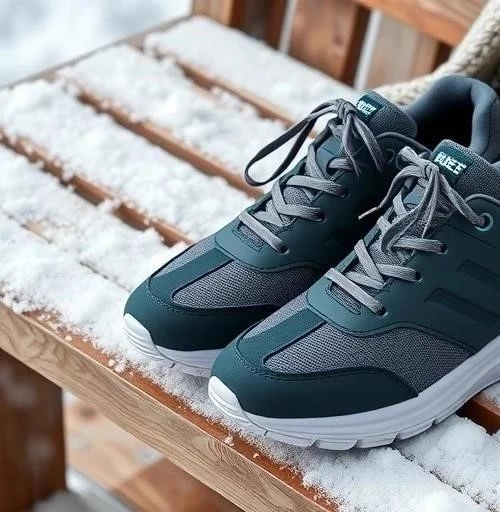
Choosing winter sneakers for a teenager is not simply a matter of finding a warm version of a popular shoe. The right pair must cope with cold, wet pavements, provide dependable footing, fit comfortably with winter socks, and still look good enough to be worn every day. Nike offers many familiar sport and lifestyle designs, but the name alone does not guarantee winter performance: materials, construction and the conditions a shoe is designed for matter more than its logo. This review explains what to look for, how to compare common Nike styles, and where their limits lie.
What “winter sneaker” should mean
A genuine winter-ready sneaker should do more than have a padded collar. Its upper should resist rain or melting snow, its lining should add useful warmth without making the foot sweaty, and its outsole should grip better than a smooth indoor or casual sole. A gusseted tongue or higher, close-fitting collar can also help keep slush and grit out. These features are not interchangeable. A warm textile shoe may still soak through, while a water-resistant shoe may have little insulation.
It is also important to set realistic expectations. Most sneakers are not substitutes for insulated winter boots. They can be a practical choice for school, commuting and short walks in cold urban weather, but deep snow, prolonged exposure to freezing temperatures and icy trails call for footwear designed specifically for those conditions. No ordinary rubber outsole should be treated as a guarantee against slipping on ice.
Nike options: compare the construction, not just the silhouette
Winterized Air Force 1 styles
Some winterized versions of the Air Force 1 family use more protective materials, extra lining or weather-oriented construction than the familiar classic. Their broad shape and simple styling make them easy to pair with jeans, school trousers and casual outfits. For a teenager who wants one versatile pair for everyday city wear, a winterized version can be appealing. However, the standard Air Force 1 is not automatically winter footwear. Before buying, check the exact version’s product description, upper materials, lining and intended use. A familiar name or high-top profile by itself does not prove that a shoe is waterproof or warm enough.
Duckboot-inspired and weather-focused designs
Nike has also produced rugged, boot-like sneaker designs intended to offer more protection in cold or wet weather. Models in this category generally make more sense for slush and changeable conditions than lightweight mesh running shoes, particularly when they combine a protective upper with a substantial sole. The trade-off is bulk: a heavier, stiffer shoe may feel less natural during all-day school wear, and may not suit teenagers who prioritize a sleek, low-profile look. Availability and specifications can change by season, so verify the particular model rather than relying on an old review.
ACG and outdoor-oriented footwear
Nike ACG (All Conditions Gear) products are designed with outdoor use in mind, and some styles may offer a more capable sole or more protective upper than everyday trainers. That makes them worth considering for teenagers who walk longer distances or spend time outdoors. Yet ACG is a product family, not a promise that every shoe is waterproof, insulated or suitable for snow. Check the stated purpose and technical details. A grippy-looking tread can improve traction on ordinary wet ground, but it cannot eliminate the risk of slipping on ice;
Everyday trainers and fashion sneakers
Many popular Nike running and lifestyle shoes are light, breathable and comfortable in mild weather. Those qualities become drawbacks in winter if the upper is mesh, the sole is relatively smooth or the shoe has no insulating lining. They may still work on dry, cold days with suitable socks, but they are a weaker choice for regular rain, slush or snow. Treat “sneaker” and “winter sneaker” as different categories: a stylish model should not be assumed to provide weather protection unless its specifications say so.
Warmth, water resistance and traction
For warmth, look for a lining that is described clearly, and consider how the teenager will actually wear the shoes. A thick sock can help, but it should not make the fit tight. Compressed toes reduce comfort and can leave less room for warm air around the foot. Breathability matters too: a very warm, poorly ventilated shoe can become damp during a long indoor school day, then feel cold outside. The best everyday choice balances insulation with the likelihood of spending time indoors.
Water resistance is a separate question. Leather or treated synthetic panels may cope with light moisture better than open mesh, but that does not make a shoe waterproof. Look for explicit wording about waterproofing and examine how the tongue and seams are constructed. Even a water-resistant upper can let water in at the opening if the shoe is submerged in slush. Care products should be used only when appropriate for the shoe’s materials, following the manufacturer’s instructions.
Traction deserves equal attention. Deep, multidirectional lugs and flexible rubber can be useful on wet pavement or packed snow, while a flatter sole may be more comfortable on indoor floors but less reassuring outdoors. Tread patterns are not a reliable laboratory rating: conditions, wear and walking style all affect grip. On ice, slow down, take shorter steps and choose a safer route rather than trusting any sneaker to prevent a fall.
Fit and comfort for growing feet
Teenagers may still be growing, so a shoe should fit the foot they have now rather than a size they might grow into. There should be a little space in front of the toes, but not so much that the heel slips or the foot slides on slopes. Try shoes with the socks likely to be worn in winter, ideally later in the day when feet may be slightly larger. Check both feet, walk around, and test whether the heel stays in place when turning.
Allowing for growth is sensible; buying shoes that are excessively large is not. A loose fit can cause rubbing, instability and blisters, especially on wet ground. If a model feels narrow, changing the size may not solve the problem if the shoe’s shape does not suit the foot. A teenager should be able to flex the shoe comfortably and walk without pressure across the toes or instep. Comfort during a brief fitting is a better sign than a size label alone.
Style, durability and everyday practicality
Teenagers often wear the same pair for school, travel and meeting friends, so appearance genuinely affects whether a shoe gets used. Neutral colors and classic Nike shapes are easy to coordinate, while brighter details can make a practical design feel more personal. Still, a fashionable pair that leaks or has poor grip is a poor winter purchase. The strongest choice is the one that meets the weather needs and matches the wearer’s routine, not necessarily the newest or most recognizable release.
Durability depends on more than the brand. Frequent exposure to salt, grit and moisture can wear materials and adhesives, and a shoe used every day has less time to dry. Rotate footwear when possible, brush off dirt, and let damp shoes dry at room temperature rather than placing them directly on a heater. Removable insoles can make airing easier. These simple habits support comfort and can extend useful life, although they cannot restore a worn outsole or make a non-waterproof shoe waterproof.
How to choose the right pair
- Start with the climate and route. For mostly dry city pavements, a lightly insulated, durable sneaker may be enough. Frequent slush or rain calls for a more protective upper; deep snow calls for a proper winter boot.
- Read the exact product details. Confirm the materials, lining and any stated water-resistant or waterproof construction. Do not infer these features from a model name, colorway or high-top shape.
- Inspect the sole. Look for a rubber outsole and a tread pattern suited to outdoor walking. Remember that no tread makes icy surfaces risk-free.
- Try them with winter socks. Check toe room, heel hold and comfort while walking. Avoid sizing up so far that the foot moves inside the shoe.
- Consider total value. Compare price with expected use, durability and weather protection. A versatile pair that is comfortable on most school days can be better value than a trend-led shoe worn only occasionally.
What the available search information can—and cannot—tell us
The supplied online search snippets point to broad winter-shopping categories and general seasonal material, rather than detailed tests of Nike models for teenagers. They do not establish which Nike styles are currently available, how warm a particular shoe is, or whether it is waterproof. Because product versions and stock vary, this review avoids presenting an unverified model as a guaranteed recommendation. Before purchasing, check Nike’s current product page or an authorized retailer’s listing, and confirm the model name and specifications for the exact pair being sold.
Verdict
Nike winter sneakers can be a good choice for teenagers when the goal is a comfortable, recognizable everyday shoe for cold urban conditions. Winterized or outdoor-oriented designs are generally more promising than standard mesh trainers, but their actual protection must be confirmed model by model. The main strengths are familiar styling, a wide range of looks and the possibility of finding a practical shoe that works for school and leisure. The main cautions are inconsistent weather protection across the range, uncertain grip on ice, and the fact that sneakers cannot replace proper boots in severe winter weather.
Bottom line: choose by construction and conditions, not by the Nike name alone. For ordinary cold-weather commuting, prioritize a protective upper, comfortable lining, secure fit and useful rubber tread. For deep snow, prolonged freezing exposure or icy routes, choose footwear specifically made for those hazards. A careful fit and an honest check of the product specifications will do more for comfort and safety than buying a popular silhouette in the wrong version.
8 Comments. Оставить новый
The article is clear and easy to follow, and its explanation of different winter features helps readers make a more informed choice. It would be even more useful with specific model examples and details about how their materials perform in rain or snow.
This is a sensible, measured guide that avoids presenting a sneaker as an all-purpose solution for winter. Its focus on materials, fit, and traction gives readers a useful checklist, while the limits it describes help prevent unrealistic expectations.
A strong point here is the practical guidance about fit with winter socks. Comfort can change when thicker socks are worn, so considering fit alongside insulation and weather protection makes the advice more complete.
This is a balanced overview because it recognizes the appeal of everyday style while explaining where sneakers may fall short. The caution about ice is especially important; readers should not mistake a winter-oriented design for guaranteed traction.
I found the explanation of water resistance and insulation particularly helpful because the two are often treated as the same thing. The article could offer more direct comparisons, but its core criteria provide a solid starting point.
The discussion of urban use is sensible: short commutes and school days are different from long exposure to freezing weather or deep snow. That distinction helps readers choose footwear based on real conditions rather than appearance alone.
The article makes a useful distinction between warmth and water resistance, which is easy to overlook when shopping for winter footwear. Its reminder that a winterized sneaker is not a replacement for a proper boot also sets realistic expectations for teenagers and parents.
I appreciate that the advice focuses on construction rather than assuming every shoe with a familiar Nike name is suitable for winter. The points about outsole grip, tongue design, and wet conditions give readers practical factors to compare.