
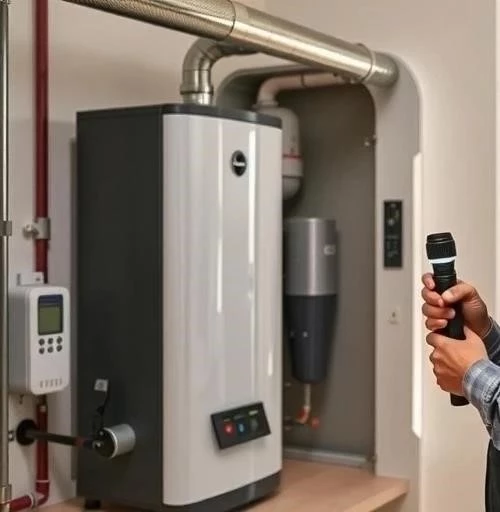
In a large home, a pellet boiler must run reliably through long, cold periods․ Regular inspection helps prevent sudden failures, protect comfort and keep fuel use under control․ Schedule a professional service before the heating season, then check the system periodically while it is operating․
Inspect the boiler and fuel system
Start with the firebox, burner and heat exchanger․ Remove ash and clinker, clean the burner and inspect internal surfaces for deposits or corrosion․ Check that the pellet feed screw turns freely and that fuel delivery matches the manufacturer’s settings․ Poor-quality or damp pellets can increase consumption, cause clinkering and lead to ignition problems․ Use dry, consistent fuel and keep it protected from moisture․
Check the ignition system, temperature sensors and controller for reliable operation․ Review the boiler’s error history and investigate recurring alarms rather than simply resetting them․ Confirm that wiring, plugs and power supply are secure․ A technician can test safety cut-outs and verify that the control settings suit the home’s heat demand․
Check the heating circuit and chimney
Inspect the chimney for soot, blockage, damage and safe clearance․ Correct chimney draft is essential for stable combustion; arrange professional cleaning if deposits are present․ On the water side, check operating pressure, the expansion vessel, circulation pump and heat-transfer fluid․ Look for leaks at joints and valves, and make sure radiators or underfloor circuits circulate properly․
For a large home, boiler output should match the building’s heat loss, not simply its floor area․ Oversizing can cause frequent cycling, while insufficient capacity may leave rooms cold․ A specialist can assess the system and adjust fuel feed and heating automation․ Remote control is useful, but it does not replace physical inspection․ If the boiler is essential, consider backup heating for outages or service visits․
Warning signs and routine care
Arrange diagnostics if you notice difficult ignition, unusual smoke, rising pellet use, irregular flame, repeated shutdowns, strange noises or unstable temperatures․ These may indicate a blocked flue, dirty exchanger, feed fault, sensor issue or electrical problem․ Never open hot equipment or bypass safety devices․ Follow the manual, isolate power before permitted cleaning, and call a qualified technician for repairs․
A written maintenance record helps reveal recurring faults and supports timely preventive repairs․ Consistent care improves efficiency, supports economical home heating and can extend boiler life․ Before each season, book a full inspection; during operation, remove ash as instructed and keep the fuel store clean and dry․
Requested key phrases
обслуживание пеллетного котла; диагностика котла на пеллетах; профилактика неисправностей; технический осмотр котла; отопление большого дома; мощность отопительного котла; расход пеллет; качество топливных гранул; очистка теплообменника; удаление золы и шлака; чистка горелки; проверка дымохода; тяга в дымоходе; настройка подачи топлива; шнековый механизм подачи пеллет; система розжига котла; датчики температуры; автоматика отопления; циркуляционный насос; давление в системе отопления; расширительный бак; теплоноситель; герметичность соединений; проверка электропитания; профилактический ремонт; срок службы котла; признаки неисправности котла; ошибки пеллетного котла; подготовка котла к отопительному сезону; сервисное обслуживание отопительного оборудования; безопасность эксплуатации котла; экономичное отопление дома; резервное отопление; удаленное управление котлом․

7 Comments. Оставить новый
The point about investigating recurring error codes is important. Resetting an alarm without finding its cause could leave a safety or reliability problem unresolved.
This is clear and practical, especially the advice to protect pellets from moisture and watch for changes in fuel consumption or ignition.
A sensible overview for anyone preparing for winter. I like that it stresses professional servicing while still covering the routine checks homeowners can do.
Good explanation of why boiler sizing should be based on heat loss rather than floor area alone. Oversizing can be just as troublesome as having too little capacity.
The section on chimney draft is a useful inclusion. Safe, regular chimney inspection is easy to overlook when the boiler seems to be running normally.
I appreciate the practical advice on checking both the boiler and the heating circuit. It gives homeowners a useful checklist before calling a technician.
A helpful reminder that pellet boiler maintenance involves more than just cleaning out ash. Checking the feed system and using dry pellets can make a real difference.