
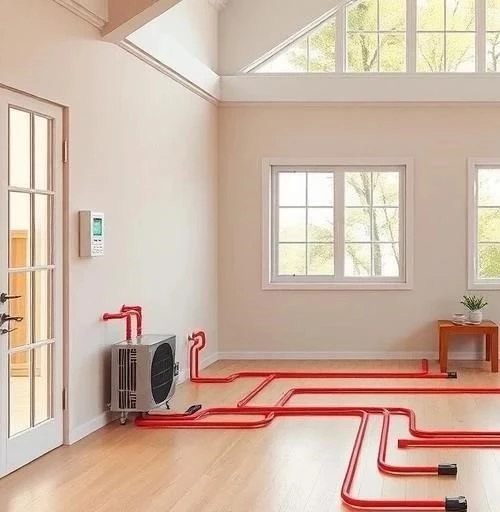
Water heating for a private house should be planned before construction is complete, not improvised after the first cold winter. Good heating system design starts with a heat-loss calculation for every room. The resulting heat load—not floor area alone—guides boiler selection and prevents both oversizing and chilly spaces. Heating a new home is also the best time to coordinate pipes, insulation, controls and the domestic hot water system.
Choose the system around the building
A gas boiler can be economical where a reliable gas connection exists; an electric boiler is simple to install but may cost more to run. A heat pump can reduce energy use, particularly in a well-insulated home, though its performance depends on climate and system temperatures. Compare lifetime costs, not just purchase prices. A hybrid heating system may combine technologies for resilience. The house heating scheme should match local heating design standards and the household’s actual needs.
Radiator heating responds quickly, while hydronic underfloor heating offers even warmth at lower water temperatures. Either can work well; a combination is useful when rooms have different demands. A two-pipe heating system or manifold distribution can deliver heat reliably, provided each heating circuit is designed and commissioned properly. Include a circulation pump, expansion vessel and pipe insulation, then carry out hydraulic balancing: without it, nearby rooms may overheat while distant ones remain cold.
Make control practical
Heating automation is not a substitute for sound design, but it helps a good system use less energy. A weather-compensated control adjusts water temperature to outdoor conditions. A room thermostat, temperature sensors and a heating controller support accurate temperature adjustment; a smart thermostat makes schedules easier to change. Heating zoning avoids warming empty rooms, while remote heating control enables smartphone heating control before residents return. Smart home and heating features are useful when they remain simple and dependable.
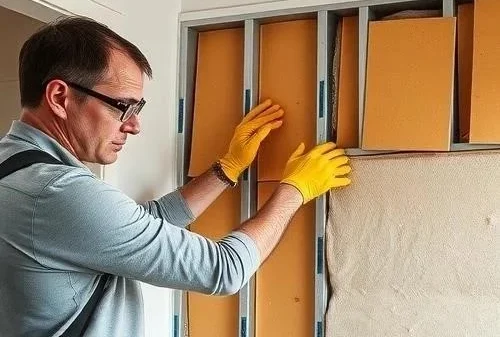
Prioritize home insulation before buying more powerful equipment: reducing heat loss is often the strongest route to energy-efficient heating, reduced heating costs and genuine energy savings. Plan for autonomous heating where appropriate, and make sure the installation is accessible for boiler-room maintenance. Professional heating installation, commissioning and periodic checks protect efficiency and safety. In short, invest first in a measured design, then in controls that fit daily life; this is more convincing than relying on gadgets to compensate for poor planning.
5 Comments. Оставить новый
The article makes a strong case for planning a heating system before construction is finished. Its emphasis on calculating room-by-room heat loss is especially useful, since choosing equipment by floor area alone can lead to poor comfort and unnecessary expense.
The comparison of gas boilers, electric boilers, heat pumps, and hybrid systems is balanced. Looking at lifetime costs rather than purchase price is a practical point, although readers would benefit from examples showing how local energy prices and climate affect that comparison.
The discussion of radiators and underfloor heating avoids presenting either option as universally best. Explaining how different rooms may have different demands helps readers understand why system design should reflect the building rather than follow a one-size-fits-all recommendation.
The article presents automation as a way to improve a well-designed system, rather than as a replacement for good engineering. That distinction is valuable. A brief note about professional commissioning and maintenance would further strengthen the practical guidance.
The details about hydraulic balancing, circulation pumps, and pipe insulation make the article more informative than a simple overview of heating equipment. These components are easy to overlook, yet they can have a significant effect on comfort and system efficiency.