
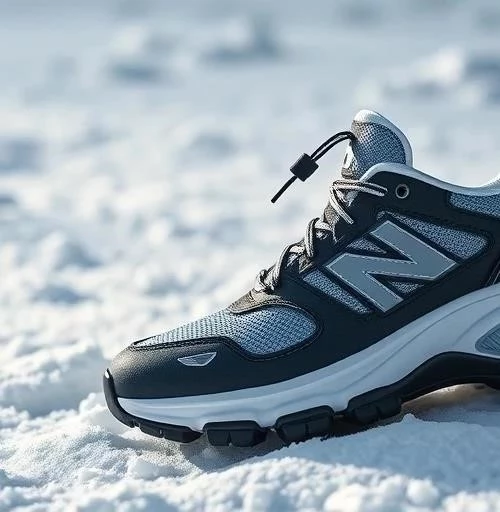
Children’s winter footwear has to meet several needs at once: it should help keep feet warm, provide dependable grip, resist everyday moisture and remain comfortable during movement․ Reebok winter sneakers are designed for cold-weather use, but the materials and construction can differ between models, seasons and markets․ A technology or feature found in one pair should not be assumed to be present in every Reebok children’s winter shoe․ Checking the product description and care label is therefore an important part of choosing a model․
What “winter sneaker” means
A winter sneaker generally combines the shape and flexibility of a casual or sports shoe with features intended for cooler conditions․ Depending on its design, it may have a higher upper, a warmer lining, a more substantial sole or a closure that is easier to handle while wearing gloves․ The term does not, by itself, guarantee waterproofing, a particular insulation rating or suitability for deep snow․ These characteristics need to be confirmed for the specific product․
Upper materials and protection from moisture
The upper is the part surrounding the foot above the sole․ Reebok children’s winter models may use combinations of synthetic materials, textiles, treated surfaces or other components․ Synthetic panels can be relatively easy to wipe clean, while textile sections may support flexibility and ventilation․ The material mix affects weight, feel, durability and how the shoe responds to wet conditions․
Some shoes are described as water-resistant or waterproof; the terms are not interchangeable․ Water resistance can help with light splashes or damp paths, but it does not mean that the shoe will keep feet dry during prolonged exposure to rain, slush or standing water․ Waterproof performance depends on the complete construction, including seams, tongue and closures․ If a product listing does not clearly specify a waterproof membrane or equivalent protection, it is safer not to assume that one is included․
A gusseted or higher-set tongue, when present, may reduce the entry of snow and debris around the laces․ A taller collar can provide additional coverage, although its height alone does not make a shoe waterproof․ For everyday winter use, parents can compare the upper’s coverage with the conditions in which the child will wear the shoes․
Insulation and lining
Warmth is influenced by more than the thickness of the lining․ The lining material, the upper, the sole, the fit and the child’s activity level all contribute․ Some models may use a soft textile lining or other insulating materials; the exact composition should be checked in the product details․ A warm lining can improve comfort in cold weather, but it does not establish a guaranteed temperature range unless the manufacturer provides one․
Fit matters because a shoe that is too tight can restrict comfortable movement and leave little room for a winter sock․ A shoe that is excessively loose may allow the heel to move and make walking less stable․ When trying a pair on, check that the child can move their toes and that the heel is reasonably secure․ Allow for the socks the child is likely to wear, without choosing a size so large that the foot slides inside․
Sole construction and grip
The outsole is the bottom layer that contacts the ground․ Winter sneakers commonly use rubber or rubber-like compounds and a patterned tread․ Reebok models can differ in outsole material, tread depth and layout, so there is no single grip specification that applies to the whole children’s range․ Grooves and raised patterns are intended to help the sole engage with the surface, while the compound and overall shape also affect traction․
No ordinary footwear should be treated as slip-proof on ice․ Even a clearly patterned sole may lose grip on smooth, frozen or polished surfaces․ Children should walk carefully in such conditions, and footwear with specialized ice-grip features should only be relied on when those features are explicitly stated for the particular model․ A flexible sole may feel natural for walking, while a firmer construction can offer a more substantial feel; the preferred balance depends on the child and intended use․
Cushioning, flexibility and support
Many Reebok sneakers use cushioning and lightweight sole materials, but the name, structure and performance of these elements vary by product․ Foam-based midsoles, where used, can soften the feel underfoot․ Cushioning is not the same as insulation: a cushioned sole may contribute to comfort but does not necessarily keep feet warm․ Likewise, a shoe’s sporty appearance does not establish that it provides specialized support for every child․
For normal daily wear, useful qualities include a comfortable interior, a stable fit and enough flexibility for the child’s stride․ Children’s feet grow, so fit should be checked regularly rather than assumed to remain correct throughout a season․ If a child needs medical or orthopedic footwear, a general winter sneaker should not be considered a substitute for professional advice․
Closures and ease of use
Children’s winter sneakers may use laces, hook-and-loop straps, zippers or combinations of these closures․ The choice affects how quickly the shoe can be put on and adjusted․ Hook-and-loop fasteners can be convenient for younger children, while laces allow a more adjustable fit when tied securely․ A zipper may simplify entry, but it should be fully closed before outdoor use․ Whichever system is used, the shoe should stay secure without creating uncomfortable pressure․
How to compare models
- Read the exact product description․ Look for stated lining, upper materials, waterproof claims and outsole details rather than relying on the general “winter” label․
- Match the shoe to the conditions․ A lightly insulated sneaker may suit cool, mostly dry days; frequent slush or heavy snow may call for more coverage and clearly specified weather protection․
- Check the fit with suitable socks․ The toes should have room to move, and the foot should not slide excessively․
- Consider the closure․ Choose a system the child can manage and that can be secured reliably․
- Inspect the sole․ Look at the tread and flexibility, while remembering that no general tread pattern guarantees safety on ice;
- Review care instructions․ Cleaning products or direct heat can damage finishes, adhesives or lining materials․
Care and everyday use
After wearing the shoes in wet or snowy weather, remove loose dirt and let them dry at room temperature․ Taking out removable insoles, if provided, can help the interior air out․ Avoid placing the shoes directly on a radiator or using intense heat unless the care instructions explicitly allow it․ Excessive heat may deform materials or weaken bonded parts․ If the upper has a protective treatment, follow the manufacturer’s guidance before applying sprays or cleaners, since an unsuitable product may affect the finish․
Regularly check the tread, seams, lining and closures for wear․ A worn outsole may provide less dependable contact with the ground, while damaged seams or fasteners can reduce comfort and protection․ Replace footwear when it no longer fits or its condition is no longer appropriate for the child’s use․
Reebok winter sneakers for children can combine seasonal materials, cushioning, practical closures and patterned outsoles, but the available features depend on the individual model․ The most reliable approach is to verify each claim in the product specification, assess the fit in person where possible and choose footwear for the child’s typical weather and activities․ “Winter,” “warm” and “water-resistant” describe different qualities; understanding those distinctions makes it easier to select a suitable pair without assuming that every model offers the same protection․
6 Comments. Оставить новый
The overview of upper materials gives a practical sense of how material choices can affect comfort, durability and care.
The reminder to consult both the product description and care label provides a straightforward way to verify a shoe’s features and maintenance needs.
The distinction between water-resistant and waterproof footwear is helpful, especially for families choosing shoes for wet or snowy conditions.
The article clearly explains that the term “winter sneaker” does not guarantee waterproofing or insulation. Checking the details for each model is useful advice.
The article offers a measured guide to what to check in a children’s winter shoe, without assuming that every model is suitable for deep snow.
It is useful that the article notes features can vary between models and markets rather than applying the same claims to every pair.