
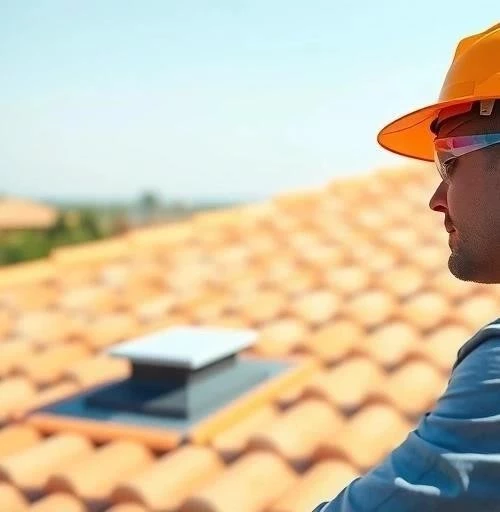
Choosing roofing for hot climates is not simply a matter of picking a durable covering․ A roof must cope with intense solar radiation, high air temperature, sudden downpours and seasonal wind․ The best solution depends on regional climate characteristics and on how the entire roof is designed, not just on the visible material․
Start with heat and sunlight
For roofing materials for southern regions, prioritize UV resistance and roof heat resistance․ Prolonged sunlight can fade finishes, weaken exposed components and increase cooling demand․ A light-colored roof or reflective roofing can send more solar energy away from the building․ This improves overheating protection, although color alone cannot replace insulation and ventilation․
Metal roofing tiles, ceramic tiles, asphalt shingles and corrugated steel sheets can all work when selected for the local conditions and installed correctly․ Ceramic tiles tolerate heat well but are heavy, so the structure must support them․ Metal is relatively light, yet thermal expansion of materials must be allowed for in fasteners and joints․ Shingles need a suitable underlay and careful protection from excessive heat․ Compare tested performance, warranty terms and repair options rather than choosing by price alone․
Build a complete roof system
A reliable roofing system controls heat and moisture together․ Continuous roof insulation slows heat transfer into living spaces; a correctly positioned vapor barrier limits indoor moisture entering the structure․ Above the deck, a waterproofing membrane protects against leaks․ Keep under-roof ventilation clear, with planned intake and exhaust paths, so trapped heat and moisture can escape․ These layers work as a system: a powerful covering cannot compensate for poor detailing beneath it․
Roof installation should match the specified roof pitch and the product manufacturer’s instructions․ Too shallow a slope can hinder drainage; a suitable pitch helps rain move off the surface․ Seal valleys, penetrations and edges carefully: seam sealing is essential where wind-driven rain can enter․ In areas exposed to strong gusts, specify protection against strong wind and calculate wind load․ Secure the covering and flashing to the structure, not merely to the outer layer․
Plan for storms and long service
Heavy rain tests gutters, outlets and every junction․ Size drainage for local downpours, keep water away from walls, and inspect flashings after severe weather․ Professional detailing is especially valuable around chimneys, roof windows and changes in slope, where small installation errors can become leaks․
Finally, inspect the roof periodically: remove debris, check fasteners and seals, and replace damaged parts promptly․ This simple roof maintenance helps preserve roof durability and prevents minor defects from becoming costly repairs․ A well-designed roof also supports home energy efficiency by reducing heat entering the building and easing the load on cooling equipment․ The sound choice is therefore not one “perfect” material, but a compatible covering, insulation, ventilation and drainage plan tailored to the site․


5 Comments. Оставить новый
This is a clear overview for homeowners planning a roof in a hot climate. I especially appreciate the emphasis on checking tested performance, warranties, and repair options instead of choosing materials on price alone.
The section on reflective roofing is informative without suggesting that a light-colored roof solves every heat problem. The reminder that insulation and ventilation remain essential makes the advice more technically grounded.
The comparison of ceramic, metal, and shingle roofing is balanced because it notes both strengths and practical limitations. Mentioning structural weight and thermal expansion helps explain why local conditions and installation details matter.
The article makes a useful point that roofing performance depends on the whole assembly, not just the surface material. Its discussion of insulation, moisture control, and ventilation gives readers a more reliable basis for comparing options.
The article connects climate, roof pitch, and installation quality in a practical way. Its focus on drainage and manufacturer instructions reinforces that even suitable materials can underperform if the roof is poorly designed or installed.