
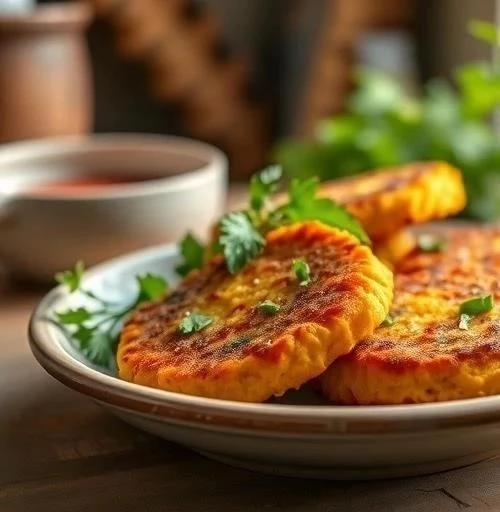
Why Rustic Chicken Cutlets with Pumpkin Suit a Balanced Diet
Protein-rich cutlets balance protein plus calories‚ making dinner satisfying.
A proper-nutrition recipe can be both satisfying and light: these diet cutlets make a protein-rich‚ low-calorie dish for a healthy dinner.
These rustic chicken cutlets suit a balanced diet because lean poultry provides protein that supports fullness and helps make a modest portion satisfying. Keeping the meal focused on this protein-rich‚ low-calorie dish can fit everyday energy goals without making dinner feel meager. This balance makes dinners satisfying rather than restrictive‚ which supports consistency and thoughtful eating over time for each meal.
Pumpkin adds moisture and mild sweetness‚ helping make juicy cutlets without relying on frying.
Pumpkin earns its place here because its natural moisture softens lean chicken‚ while its mild sweetness rounds out the savory flavor without overpowering it. As the cutlets cook‚ the vegetable helps retain a tender‚ juicy texture‚ so the result does not depend on frying or extra fat for appeal. Pumpkin matters: its moisture softens each bite‚ and its mild sweetness keeps the cutlets gently savory as they cook.
Choose Simple Ingredients for a Reliable Homemade Recipe
Simple ingredients make this homemade recipe reliable; each has a useful role;
Use minced chicken or chicken breast‚ pumpkin‚ onion‚ an egg‚ oats‚ and spices—simple ingredients that support flavor and texture.
Minced chicken or finely ground chicken breast provides a mild‚ lean base; pumpkin contributes gentle sweetness‚ while onion brings savory depth. An egg helps bind the mixture‚ and oats offer structure without masking the poultry. Spices add mild savory notes. This short‚ familiar list creates dependable taste and texture for daily meals without requiring special products or complicated additions.
Prepare the Mixture to Keep the Cutlets Tender
Gentle mixing keeps the chicken mixture more tender and easy to shape by hand.
Grate or finely chop the pumpkin and onion‚ combine them with the chicken‚ egg‚ oats‚ and spices‚ then let the mixture rest so the oats absorb moisture.
Finely grate the pumpkin and onion so they blend evenly and do not leave bulky pieces. Add them to the chicken with the egg‚ oats‚ and your chosen spices‚ then mix just until combined; overworking can make the texture firm. Let the bowl rest‚ because the oats need time to absorb moisture and help the mixture hold together. This pause improves consistency‚ making portions easier to shape and helping them stay tender.
Bake Instead of Frying for a Lighter Result
Baking limits oil‚ so the cutlets stay far lighter without sacrificing appeal.
Shape the cutlets and bake them in the oven: these baked‚ no-fry cutlets need less added fat while remaining tender.
Shape evenly sized cutlets firmly and arrange them on a parchment-lined tray for steady heat; Bake in a preheated oven until cooked through‚ turning only if needed for even browning. Because this method uses little or no added oil‚ it keeps the meal lighter than pan-frying; gentle oven heat also helps the centers remain tender. Avoid overbaking‚ since excess cooking can dry lean chicken and weaken its pleasant texture.
Serve This PP Recipe as a Practical Rustic-Style Meal
This rustic meal is practical because it makes balanced eating feel welcoming.
This village-style home recipe shows that proper nutrition can be flavorful and convenient‚ making the cutlets a satisfying protein dish for everyday meals.
This village-style home recipe shows that proper nutrition can be flavorful and convenient. It makes a satisfying protein dish for everyday meals because its familiar character supports balanced eating without turning dinner into a burden. That makes the meal truly practical: familiar food is easy to enjoy and its protein focus gives everyday eating a clear‚ sensible purpose without demanding a special occasion.
9 Comments. Оставить новый
I like that the article connects cooking choices with texture and energy goals. To make its nutrition discussion even more useful, it could clarify that the final calorie content depends on portion size and preparation.
The advice to mix the ingredients gently is relevant because overworking ground chicken can make cutlets dense. A clear cooking method would help readers put this useful texture guidance into practice.
The recipe sounds suitable for everyday cooking because it uses familiar ingredients and does not depend on elaborate techniques. Mentioning that oats help bind the mixture is especially helpful for home cooks.
The article makes a sensible point about protein contributing to a satisfying meal. Since nutritional needs vary, it is also good to frame the dish as one option within a balanced diet rather than a guaranteed solution.
The emphasis on satisfying meals rather than restrictive eating is thoughtful. The article also gives a convincing reason to use pumpkin: it can add moisture and flavor while helping the cutlets remain tender.
The flavor description is appealing without overstating the pumpkin’s role. Its mild sweetness and the onion’s savory depth sound like a complementary combination for a chicken cutlet.
This is a practical introduction to a lighter cutlet recipe. The familiar ingredients may make it easy for readers to adapt the dish, while the explanation of their functions helps preserve its intended texture.
I appreciate the explanation of what each ingredient contributes. In particular, describing how pumpkin helps keep lean chicken moist gives readers a useful reason to include it beyond its flavor.
The article clearly explains how lean chicken and pumpkin can make a filling meal without relying on heavy ingredients. Its focus on practical balance, rather than strict restriction, makes the recipe feel approachable.