
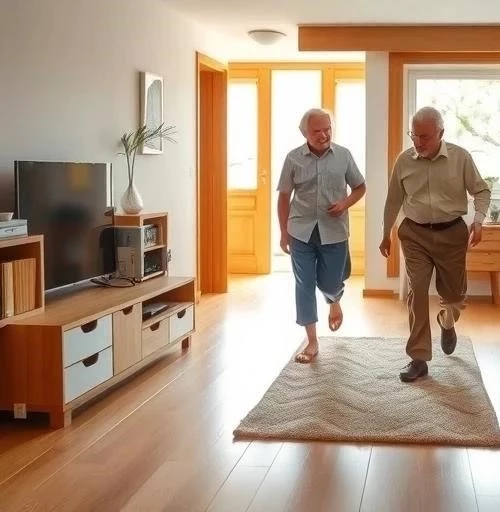
A one-room apartment renovation for an older parent should be judged not only by appearance‚ but by everyday comfort and safety. Japandi can work beautifully: its minimalism‚ neutral shades and natural materials—wood and stone—create a calm home. Yet copying magazine photos without adapting the layout can make a small flat difficult to use. Good design puts accessibility before decoration.
Plan for movement first
A common planning mistake is filling the room with furniture before checking circulation. Keep clear paths between the entrance‚ bed‚ kitchen and bathroom; choose convenient furniture with rounded edges and enough space to sit and stand. A single-room layout should define a comfortable bedroom and living area without blocking daylight or access. Built-in wardrobes and functional storage reduce clutter‚ while a compact kitchen keeps essentials within easy reach.
Make the apartment a barrier-free environment: specify level flooring without thresholds and slip-resistant flooring‚ especially along the route to the bathroom. Contrasting details can help distinguish edges and controls‚ but avoid busy patterns that may confuse. These choices support a genuinely accessible layout rather than one that merely looks spacious.
Make the bathroom safe
Bathroom renovation deserves particular attention because falls are especially dangerous. A shower without a raised lip‚ properly secured grab bars in the bathroom‚ and fixtures at a comfortable height are safer than a deep tub or high-mounted fittings. Do not treat grab bars as accessories: install them into reinforced walls and position them for the resident’s actual movements. Choose durable‚ water-resistant materials and provide effective ventilation to limit dampness.
Light‚ sound and materials
Japandi favors restraint‚ but minimalism must not mean dim rooms or hard‚ echoing surfaces. Add extra lighting at the bed‚ entry and kitchen; use warm light for relaxation and brighter task lighting where detail matters. Put switches by the entrance and bed so nobody has to cross a dark room. Consider sound insulation‚ particularly if street or hallway noise may disturb sleep. Durable finishes reduce maintenance‚ while natural textures preserve the style without sacrificing practicality.
Budget for safety‚ not just looks
Prepare a detailed renovation estimate that includes lighting‚ flooring‚ bathroom fittings‚ ventilation and installation—not only visible finishes. Common renovation errors include overlooking door clearances‚ choosing slippery floors‚ placing switches out of reach and leaving too little storage. Check measurements with the parent before ordering furniture. Thoughtful planning makes comfort and safety for older people the foundation of the design‚ not an expensive correction after the work is done.


7 Comments. Оставить новый
The bathroom advice is particularly useful. Grab bars need proper reinforcement and thoughtful placement, so the article correctly treats them as essential safety features rather than decorative add-ons.
The reminder to use slip-resistant, level flooring is important, especially along the route to the bathroom. It would also be helpful for homeowners to consult the resident directly, since safe arrangements should reflect their specific routines.
The discussion of Japandi is balanced: calm materials and simple forms can suit a small home, but copying a styled image without considering accessibility may undermine comfort. The emphasis on adapting the look to the person is valuable.
I appreciate the practical focus on circulation before furniture selection. In a one-room apartment, even attractive pieces can make daily movement difficult if the layout has not been planned around the resident’s needs.
I like that the article connects storage, lighting, and flooring to everyday independence. These details may seem modest, but together they can make a home easier to navigate and less stressful to use.
The article makes a strong case for treating accessibility as part of good design rather than an afterthought. Prioritizing clear pathways, safe flooring, and reachable fixtures is especially important when renovating for an older resident.
This is a thoughtful approach to renovation because it balances visual simplicity with practical safety. The point about adequate lighting is also well made: a minimal interior should still make everyday tasks easy to see and complete.