In the old housing stock‚ wall leveling is not merely cosmetic. Uneven walls and pronounced wall curvature make finishing unreliable‚ while high humidity can loosen plaster and encourage mold and fungi. First identify indoor dampness: capillary moisture‚ leaks‚ poor ventilation‚ or condensation require different remedies. Covering a wet wall without addressing its cause risks repeat damage.
Prepare the wall and control moisture
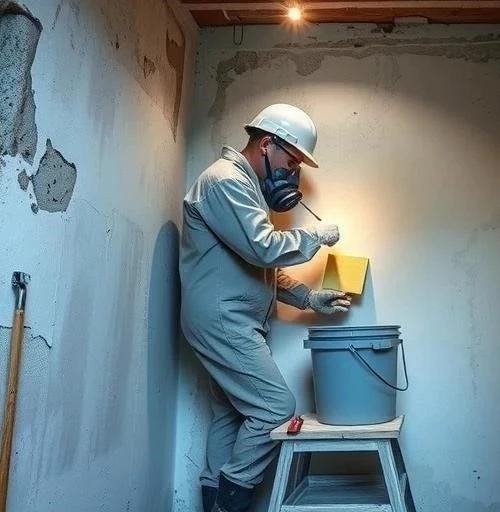
Remove loose‚ contaminated plaster‚ then clean the walls and inspect the substrate. This preparation reveals cracks and damp patches that could otherwise be hidden. Apply an antiseptic treatment where biological growth is present‚ but do not treat it as a substitute for fixing leaks. Complete wall waterproofing where needed‚ use a moisture-resistant primer‚ and allow it to dry. Repair deep defects with repair mortar; use reinforcing mesh over unstable areas or transitions between materials.
Work carefully in confined spaces
Narrow passages‚ the space behind pipes‚ corners and recesses‚ and rooms with complex geometry demand deliberate‚ small-scale work. Use hand tools and a trowel for hard-to-reach places; broad‚ fast strokes can leave hollows. Check the level frequently‚ especially around edges where deviations are easy to miss. Plaster profiles and beacons help establish a plane on accessible sections‚ but leveling with beacons alone may not solve tight corners. Make local wall repairs there‚ blending them into the surrounding coat.
Choose materials and allow them to dry
For humid interiors‚ select cement plaster or another moisture-resistant plaster mix compatible with the substrate. Apply it in layers within the manufacturer’s thickness limits. In awkward spots‚ press material firmly into the surface rather than building one heavy coat. Keep intercoat drying times; rushing can trap moisture and cause cracks or detachment. Ventilate the room without forcing hot air onto fresh plaster. Once the wall is fully dry‚ apply finish putty suitable for finishing damp rooms.
A durable result depends on eliminating the causes of dampness and protecting against renewed wetting—not simply hiding defects. Check plumbing‚ drainage‚ ventilation‚ and external water entry before finishing. This sequence makes repairs more reliable‚ even where access is limited.