
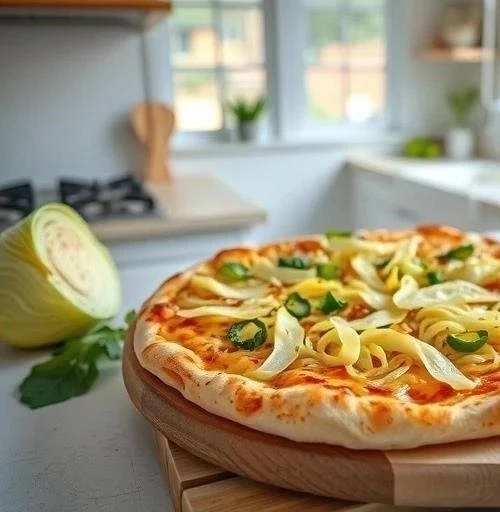
A flavor-first approach works because cabbage brings gentle sweetness, while balanced contrasts make each bite lively; thoughtful choices matter more than piling on toppings, too․
Choose the dough: compare yeast dough with yeast-free dough, and explain why thin homemade pizza crust works especially well for a simple, tasty pizza baked in the oven․
For cabbage pizza, the dough is not a minor detail: it sets the texture and determines whether each slice feels light or heavy․ Yeast dough develops a tender, airy crumb and a deeper flavor, but it needs time to rise․ Yeast-free dough is quicker and pleasantly crisp, making it a practical choice when dinner must be ready soon․ Neither option is automatically better; choose yeast dough for softness, or yeast-free dough for speed and crunch․ For a simple homemade pizza baked in the oven, a thin crust is especially effective․ It cooks evenly, stays crisp at the edges, and lets the topping remain the focus instead of burying it under bread․ Roll the dough evenly, rather than making the center thick, because uneven thickness can leave one part pale while another dries out․ A restrained base also makes this tasty pizza easier to serve and keeps every slice balanced․ Choose a dough that fits your time and preferred crust texture, too․
Prepare the cabbage filling: soften white cabbage and onion in vegetable oil until tender; argue that properly cooked cabbage makes a juicy topping, while spices add depth․
Begin by slicing white cabbage into fine, even ribbons; smaller pieces soften uniformly and sit neatly in the filling․ Warm a little vegetable oil in a wide pan, add finely chopped onion, and cook gently until translucent․ Stir in the cabbage in batches, turning it so each strand is lightly coated․ Keep the heat moderate: harsh frying can brown the edges before the center becomes tender, while patient softening preserves moisture and sweetness․ Season with salt, black pepper, and a pinch of paprika or caraway; spices deepen the flavor without masking cabbage’s mild character․ Cook until the ribbons yield easily but still hold their shape, then let excess steam escape․ This balance matters: undercooked cabbage stays tough, whereas overcooked cabbage can become limp and watery․ Properly softened cabbage and onion make a juicy savory topping, and measured seasoning gives every bite depth rather than a flat, oily taste․
Build the topping: spread tomato sauce over the dough, then add stewed cabbage, tomatoes, mushrooms, sausage or chicken, and cheese such as mozzarella; explain how these choices turn it into a balanced vegetable pizza․
Spread a thin layer of tomato sauce across the base; it adds acidity and helps the topping taste cohesive, not heavy․ Scatter well-drained stewed cabbage, ripe tomatoes, and sliced mushrooms evenly, so sweetness, freshness, and savory depth each have room․ Choose sausage for a smoky, hearty note or chicken for a milder protein; either makes the vegetable mix more satisfying without overpowering it․ Finish with mozzarella or another melting cheese: its creamy richness links the vegetables, while a moderate amount lets their distinct flavors remain clear․ Together, these choices create a balanced vegetable pizza: cabbage brings substance, tomatoes brighten it, mushrooms add savor, and cheese binds the flavors․ Keep portions balanced so no single ingredient hides the cabbage’s gentle flavor․ Balanced toppings help every element shine, giving the final pizza a vivid, robust flavor, while keeping cabbage central․
Give the step-by-step recipe: assemble the cabbage pizza, specify the baking temperature and cooking time, and explain how to keep the crust thin and the filling juicy․
Preheat the oven to 220°C (425°F) and place a tray inside; a hot surface helps the base set quickly․ Roll the dough into a thin, even round, then transfer it to baking paper․ Spread on a light layer of sauce, add the cabbage topping evenly, and avoid dense piles: excess weight can soften the center․ Bake on the hot tray for 12–15 minutes, checking at 10; remove the pizza when the edge is golden and the base is firm․ This temperature and short cooking time brown the crust without drying the filling․ Keep the cabbage moist, not wet, and leave a narrow border clear․ Rest the pizza for two minutes before slicing, so juices settle and the thin crust stays crisp․ If the center looks pale, bake for another minute rather than raising the heat; steady heat cooks it through evenly; Use these cues, since ovens vary, and rely on color and firmness as well as the clock․ A brief rest protects texture and makes each slice easier to lift․

2 Comments. Оставить новый
The article makes a convincing case for choosing dough according to the desired texture and available time. Its explanation of why a thin crust complements cabbage is especially useful, since it keeps the topping central without making the pizza feel heavy.
The guidance on gently softening the cabbage and onion is practical and well reasoned: even cooking helps create a tender, juicy topping, while restrained seasoning can add depth without overpowering it. The comparison of dough options also makes the recipe approachable for different schedules.