
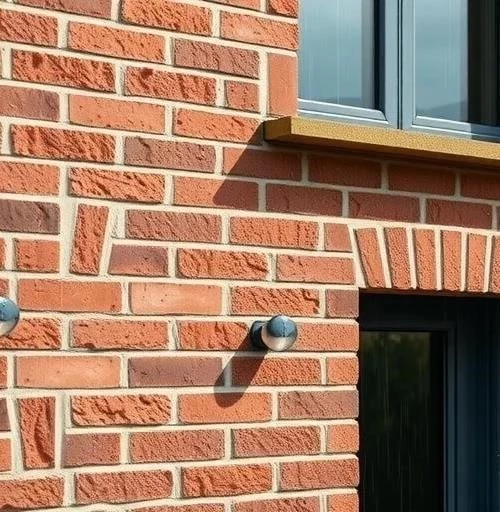
Clinker cladding endures when its design, installation, moisture control, and upkeep suit the building, because these factors jointly reduce premature deterioration in practice․
Material quality sets the baseline: facade clinker tile lasts longer when it has low water absorption, frost resistance, material strength, and resistance to temperature fluctuations, ultraviolet radiation, and weathering․
Cladding service life starts with tile quality—a measurable set of properties, not a label․ Facade clinker tile with low water absorption takes in less moisture, so freezing water is less able to create internal pressure and cause cracking; This makes frost resistance essential, especially where winters repeatedly alternate between thaw and hard freeze․ Material strength matters: a dense, well-fired body better withstands stress without chipping or surface loss․ Resistance to temperature fluctuations limits damage as the facade heats in sunlight and cools again, while ultraviolet resistance helps preserve color over years of exposure․ Weathering resistance matters because wind, rain, and pollutants continually test the tile․ These properties act together: a weakness in one can shorten service life despite strong ratings elsewhere․ Always compare test data carefully and choose tiles rated for the local climate, not by appearance alone․
Correct installation protects that quality: sound substrate preparation and adequate substrate strength, suitable facade adhesive, clinker grout, appropriate joint width, watertight joints, allowance for thermal movement, and proper installation technique all matter․
Even premium clinker can fail early if installation is poor, because each layer must transfer loads without allowing water paths or tile movement․ Begin with a clean, level substrate; dust, weak patches, or unevenness reduce adhesion, while adequate substrate strength prevents the finish from separating․ Select facade adhesive compatible with the tile and conditions, and apply it evenly so voids do not collect moisture․ Use clinker grout suited to exterior exposure, keeping joint width consistent: joints that are too narrow or irregular cannot accommodate stress reliably․ Compact and finish the grout to create watertight joints, since gaps admit water and accelerate damage․ The installation method must also allow for thermal movement; rigidly locking every edge can concentrate stress and crack tiles․ Follow detailed installation specifications, curing times, and weather limits to fully secure a dependable bond․
Moisture control prevents avoidable damage: facade ventilation, protection from moisture, and effective water drainage help keep the cladding and its substrate in good condition․
Moisture control is decisive because trapped water can reach the backing, stay there, and gradually undermine the facade․ A ventilated facade gives residual vapour a route out, limiting condensation behind the clinker and reducing prolonged dampness․ Clear drainage paths carry rain away from ledges, openings, and the wall base; without them, runoff can soak vulnerable areas repeatedly․ Well-positioned outlets prevent pooling, while correctly directed flashings stop water from being driven into joints or behind the finish․ These measures matter because repeated wetting can saturate adjacent construction, and slow drying raises the risk of hidden deterioration․ Keeping cavity openings unobstructed allows air circulation to disperse moisture rather than trapping it against the wall․ So, sound moisture management preserves the supporting wall as well as the visible finish, reducing avoidable stress over time․
Regular care helps preserve durability: appropriate clinker-cladding maintenance, facade cleaning, and timely repair of damaged clinker tiles can extend the service life of the finish․
Routine care preserves clinker cladding because small defects are easier to correct before they spread․ Inspect the facade periodically for loose pieces, chips, staining, or cracked tiles, and record changes so deterioration is not overlooked․ For routine facade cleaning, use a soft brush, water, and a mild cleaner approved for the surface; test it discreetly first․ Avoid abrasive tools and harsh chemicals, which may scratch the finish or leave residues that attract dirt․ If a tile becomes damaged, arrange a prompt, like-for-like repair by a qualified specialist, rather than letting the defect worsen․ Matching the replacement helps retain a uniform appearance, while checking nearby tiles can reveal whether the problem is isolated․ Keep a simple maintenance log with dates, observations, and completed work; consistent attention makes emerging issues visible and supports informed decisions․ Care pays off over years․

6 Comments. Оставить новый
Статья убедительно показывает, почему даже качественная плитка не гарантирует долгий срок службы без правильной подготовки основания. Особенно ценны конкретные акценты на прочности и чистоте поверхности перед облицовкой.
Полезно, что долговечность клинкерной облицовки рассматривается не только через качество плитки, но и через условия её монтажа. Такой подход помогает оценить фасад комплексно, а не ориентироваться лишь на внешний вид материала.
Понравилось, что устойчивость к морозу, перепадам температуры, ультрафиолету и погодным воздействиям описана как совокупность свойств. Это помогает избежать упрощённого выбора материала по одному показателю.
Материал изложен последовательно и практично: сначала объясняется выбор плитки, затем внимание переносится на монтаж. Такой порядок помогает понять, какие решения влияют на долговечность фасада и почему важна совместимость материалов.
Отдельно отмечу упоминание швов и подвижек при температурных изменениях. Эти детали легко упустить при планировании работ, хотя именно грамотный монтаж помогает снизить риск проникновения влаги и преждевременного повреждения облицовки.
Хорошо объяснена связь низкого водопоглощения и морозостойкости: для климата с частыми переходами через ноль это действительно важный фактор. Понравился совет проверять характеристики по данным испытаний и учитывать местные условия.