
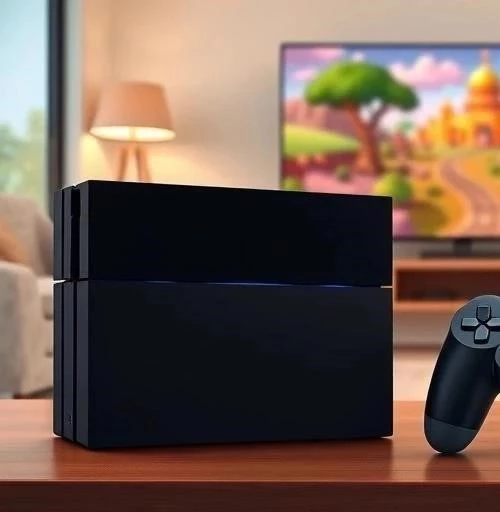
PlayStation is a family of video-game consoles and related entertainment products created by Sony․ The name is often used to mean a particular console, but it describes a broader platform: hardware, games, controllers, online services and a community of players․ In simple terms, PlayStation lets people play games on a television or compatible display, either alone or with others․ Its importance, however, is not just that it runs games; it has helped shape how games are made, sold and experienced․
From a console to a gaming platform
The first PlayStation launched in Japan in 1994 and later reached other markets․ It helped bring three-dimensional graphics and disc-based games to a wide audience․ Sony followed it with new generations, including PlayStation 2, PlayStation 3, PlayStation 4 and PlayStation 5․ Each generation brought more capable hardware, while preserving the central idea: a dedicated device designed to make playing games straightforward․ The series also includes portable systems and virtual-reality products, so the brand is wider than the living-room console alone․
A console is a specialised computer․ Its processor and graphics hardware run a game, while the operating system manages menus, storage, updates and connections․ Players control the action with a gamepad, commonly called a controller․ Many games can be installed from a disc or downloaded, depending on the console and edition․ Unlike a general-purpose computer, a PlayStation is built around a consistent hardware design․ That makes it easier for developers to optimise games for the system and for players to start playing without assembling a computer from separate parts․
What can you do with it?
Games are the main reason people buy a PlayStation․ The catalogue spans action, adventure, sports, racing, role-playing, puzzle and family games․ Some titles are designed for a solo story; others focus on competition or cooperation․ Sony’s studios and publishing partners have also built well-known series associated with the platform․ These distinctive games matter because they give buyers a reason to choose one console over another: hardware specifications are important, but a console is only as appealing as the experiences people can actually play on it․
PlayStation systems can also offer entertainment functions beyond gaming․ Depending on the model, region and available apps, users may stream video, browse media libraries, capture gameplay or communicate with friends․ Online features can support multiplayer matches, voice chat, game downloads and cloud-related services․ Availability and requirements vary, so an internet connection, an account or a paid subscription may be needed for particular features․ It is useful to distinguish the console itself from these services: the machine is the hardware, while online access and subscriptions are optional or separately governed parts of the experience․
Games, accounts and compatibility
Players generally obtain games either physically or digitally․ A disc can be convenient for collecting, lending or buying second-hand, but it requires a disc drive and does not necessarily remove the need for downloads or updates․ A digital purchase is tied to an account and is convenient to access, but resale and sharing may be limited by the platform’s rules․ Before buying, check that the game works with the exact console model, whether it is a disc or digital edition, and whether any accessories or subscriptions are required․
Compatibility is another practical consideration․ Some newer consoles support a selection of games from earlier generations, but this should not be assumed for every title or accessory․ Likewise, game saves, online progress and purchases may depend on account settings and the specific game․ Families should review age ratings, privacy options and parental controls․ These checks are not minor details: they help prevent an expensive mismatch and make it clearer what a particular purchase will provide․
Why choose PlayStation—and what to consider
The strongest argument for choosing PlayStation is the combination of accessible hardware, a large game library and recognisable exclusive or console-associated titles․ A console can be easier to set up than a gaming PC, and friends who own the same platform may make online play more convenient․ For someone who values a particular series, the available games can outweigh differences in technical specifications․ The platform’s long history also means that many players already know its interface and controller style․
There are trade-offs․ Consoles and games cost money, and online play or extra catalogue features may involve recurring fees․ Digital libraries depend on accounts and service terms; physical discs take space and may not work on models without a drive․ A PlayStation is also less flexible than a general-purpose computer for work and software beyond entertainment․ Finally, a console’s strongest games are not automatically right for every player․ Comparing the total cost, preferred titles, friends’ platforms and desired features is more sensible than choosing by brand name alone․
In short
PlayStation is Sony’s gaming ecosystem: a line of consoles supported by games, controllers and optional online services․ It offers a convenient way to play and a substantial range of experiences, but the best choice depends on what someone wants to play and how much they are willing to spend․ So, when asking “What is PlayStation?”, the clearest answer is: a family of dedicated gaming systems and services built around interactive entertainment—not one single device or one particular game․

4 Comments. Оставить новый
The article gives a clear introduction to PlayStation by presenting it as a broader gaming platform rather than just a console. The explanation of hardware, games, controllers, and online services helps readers understand what the brand includes.
The historical overview effectively shows how PlayStation developed across several generations. Connecting the original system with later consoles gives useful context for readers who may not know how the platform has changed over time.
The article appropriately emphasises that PlayStation is significant not only for its hardware but also for how games are made, sold, and experienced. A fuller discussion of its online services and community would further develop this promising introduction.
The comparison between a specialised console and a general-purpose computer is helpful because it explains why PlayStation can be convenient for players and easier for developers to optimise for. This makes the technical details accessible without oversimplifying them.