
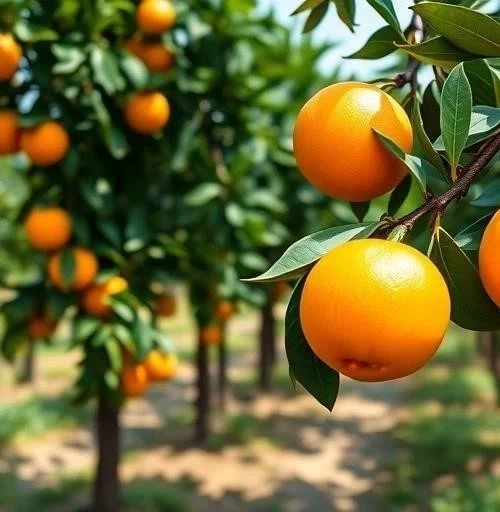
Navelina is an early-ripening variety of navel orange․ It is grown in warm citrus-producing regions‚ especially around the Mediterranean‚ but it is not limited to one country․ Commercial orchards can be found wherever the climate‚ soil and water supply suit sweet orange trees․ The fruit is also called Navelina or Navelina orange; names and spelling may vary between growers and markets․
Origin and spread
Navelina was selected from the Washington navel orange group․ Navel oranges are believed to have originated as a natural mutation in Brazil in the nineteenth century‚ and they later became established in California and other citrus regions․ Navelina itself was developed in California and subsequently introduced to Spain‚ where it became an important early-season cultivar; From there‚ its cultivation spread to other countries with suitable growing conditions․
Main growing regions
Spain is among the best-known producers of Navelina․ Orchards are concentrated in the country’s Mediterranean citrus belt‚ including parts of Valencia‚ Andalusia and Murcia․ The variety is also cultivated in other Mediterranean countries‚ such as Morocco‚ Algeria‚ Tunisia‚ Turkey and Egypt․ Outside this region‚ Navelina and related navel varieties may be grown in South Africa‚ Australia‚ the United States and other subtropical areas․ The exact commercial presence can change as growers respond to demand‚ weather and market prices․
These locations share a broadly similar pattern: mild winters‚ plenty of sunshine and a long‚ warm growing season․ Navelina is an early variety‚ so it can be particularly useful in areas where fruit can mature before the hottest part of summer․ In the Northern Hemisphere‚ harvest commonly begins in autumn or early winter‚ although timing depends on the local climate and orchard management․ In the Southern Hemisphere‚ seasons are reversed․
Climate and landscape
Like other sweet oranges‚ Navelina grows best in subtropical conditions․ Trees need warmth and light to develop fruit with good colour and flavour․ They tolerate some cool weather‚ but prolonged frost can damage leaves‚ blossoms‚ young fruit and branches․ Severe freezes may kill trees․ For this reason‚ commercial groves are generally planted in lowland or coastal districts with limited frost risk‚ rather than in cold inland or high-altitude locations․
Rainfall is helpful‚ but orchards in dry regions rely on irrigation‚ especially during flowering and fruit development․ A steady water supply supports growth‚ while waterlogged ground can harm roots․ Growers therefore choose sites with good drainage and manage irrigation according to soil and weather conditions․ Many citrus trees thrive in fertile soils‚ but suitable rootstocks can help them cope with local soil differences․
Growing Navelina in a garden
A home gardener can grow a Navelina tree in a warm‚ sunny garden or‚ in cooler places‚ in a large container that can be moved under cover․ The tree needs a bright position‚ well-drained soil and regular watering during active growth․ A container-grown tree is more vulnerable to cold because its roots have less protection‚ so it may need winter shelter․ Local climate matters more than the country name: a protected site in a suitable region may work‚ while an exposed frost pocket nearby may not․
For fruiting‚ the tree also needs enough warmth over the season and appropriate care․ A young tree may take time to produce a substantial crop․ Pruning‚ feeding and watering should be adjusted to its condition rather than applied excessively․ Gardeners should check that the chosen plant is genuinely Navelina‚ since labels may use broad terms such as “navel orange” for several cultivars․
How to identify the fruit
Navelina fruit is usually round to oval‚ with orange skin and a small secondary fruit-like formation at the blossom end․ This “navel” is a characteristic feature of navel oranges․ The flesh is typically sweet and seedless or nearly seedless․ It is commonly eaten fresh and can also be used in salads‚ desserts and juice․ As with any orange‚ size‚ sweetness and colour depend on maturity‚ local conditions and handling; appearance alone does not establish where an individual fruit was grown․
In brief
Navelina oranges grow mainly in warm‚ sunny citrus regions․ Spain is a major centre of cultivation‚ while other Mediterranean and subtropical countries also produce them․ The variety can succeed beyond those areas where frost is uncommon‚ soil drains well and irrigation is available when needed․ To find the origin of a particular orange‚ check its label or ask the retailer: the cultivar tells what kind of orange it is‚ not the country in which it was grown․


2 Comments. Оставить новый
The article provides a clear overview of Navelina’s origins, growing regions and preferred climate. The seasonal harvest information adds useful context.
The regional examples make the article informative, and it notes that growing locations and harvest timing can vary. The text appears to end mid-sentence, so the final section may be incomplete.