
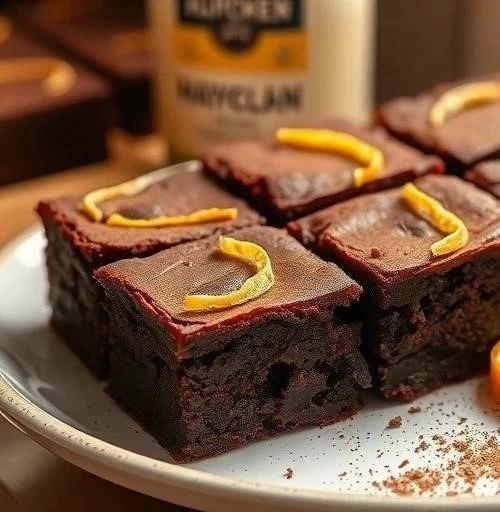
Quick homemade chocolate brownies make an ideal citrus dessert: bold cocoa and bright zest bring balance‚ while simple baking suits any tea break.
A Simple Brownie Recipe Proves That Homemade Baking Can Be Both Fast and Memorable
A simple brownie recipe proves that homemade baking need not demand a free afternoon or elaborate technique. Its appeal lies in a short‚ clear sequence: measure‚ stir‚ and let the oven do the work. That manageable process makes a fresh treat realistic on ordinary weekdays‚ yet the result feels considered rather than routine. A hint of citrus gives the familiar chocolate square a lively identity‚ so it can suit a casual gathering as easily as a quiet evening at home. Because the method is approachable‚ novice bakers can join in‚ while experienced cooks can adapt the presentation to the occasion. In other words‚ speed does not mean settling for forgettable food; a straightforward plan turns everyday baking into a small‚ shareable pleasure. It makes a day feel special.
How Dark Chocolate‚ Cocoa Powder‚ Butter‚ Sugar‚ Eggs‚ and Wheat Flour Create a Moist Texture and Rich Chocolate Flavor
Dark chocolate and cocoa powder work together to give brownies depth: melted chocolate supplies a rounded lingering intensity‚ while cocoa sharpens the flavor without adding excess liquid. Butter carries that richness and helps keep the crumb tender; sugar balances cocoa’s bitterness and supports a delicate‚ soft center. Eggs bind the mixture‚ adding structure and enough lift for a cohesive bite‚ whereas wheat flour provides the framework. The key is proportion: too much flour can make the bake dry and cakey‚ but measured flour lets the fat and eggs preserve a moist texture. These ingredients therefore do more than combine; each has a distinct role‚ and their balance creates a dense satisfying brownie with rich chocolate flavor rather than a merely sweet slice.
Why Citrus Zest‚ Orange Juice‚ and Lemon Zest Add a Brighter Orange Aroma to This Chocolate Dessert
Citrus zest‚ orange juice‚ and lemon zest brighten chocolate because their sharp‚ fragrant notes contrast with cocoa’s deep sweetness. The fine oils in zest carry the clearest aroma‚ so a little can make the orange character vivid without overwhelming the dessert. Orange juice contributes a gentler‚ rounded fruit note‚ while lemon zest adds a clean tang that keeps each bite lively. This contrast matters: instead of masking chocolate‚ citrus gives its richness definition and makes the flavor feel less heavy. Add the accents thoughtfully‚ since too much juice can dilute the mixture and excessive zest may taste bitter. Used in balance‚ these ingredients create a recognizable orange aroma‚ a delicate lemon lift‚ and a more nuanced chocolate dessert.
How Preparation Time‚ Oven Temperature‚ a Doneness Test‚ and Cooling the Brownies Ensure Perfect Portions for Tea
For reliable tea portions‚ timing and cooling matter. Prepare the pan and arrange the work; this investment prevents rushed steps later. Set the oven to the recipe’s stated temperature and let it fully preheat‚ because an inaccurate starting point can leave the center underdone while the edges overbake. Begin checking near the suggested end of the baking window: insert a toothpick into the center‚ where few moist crumbs indicate a set brownie‚ while wet batter signals that it needs longer. Avoid waiting for a completely clean pick‚ which can mean a dry result. Once baked‚ cool the slab in its pan before cutting; firmness improves as it rests‚ so slices hold neat edges. This pause also makes serving easier‚ turning one bake into tidy‚ satisfying portions for tea.
7 Comments. Оставить новый
The article makes a good case for simple baking as a way to make an ordinary day feel special. Its emphasis on sharing also gives the recipe appeal beyond the finished dessert.
The writing is informative without becoming overly technical. Explaining the roles of butter, sugar, and eggs gives novice bakers helpful context while keeping the subject easy to follow.
The ingredient explanations are the strongest part because they connect choices to the final result. A little more detail about when to add the citrus would make the practical guidance even more complete.
I like that the article presents citrus as a complement to chocolate instead of an overpowering addition. That framing makes the flavor combination sound appealing even to someone who usually prefers classic brownies.
The article clearly explains why this recipe can work for a weekday treat, not just a special occasion. I especially appreciate the focus on keeping the method approachable without suggesting that convenience has to come at the expense of flavor.
The discussion of ingredient balance makes the texture advice more convincing. Pointing out how excess flour can dry out brownies helps readers understand what to watch for when measuring.
The explanation of how chocolate and cocoa contribute different qualities is useful. It gives readers a practical reason to include both, rather than treating the ingredients as interchangeable.