
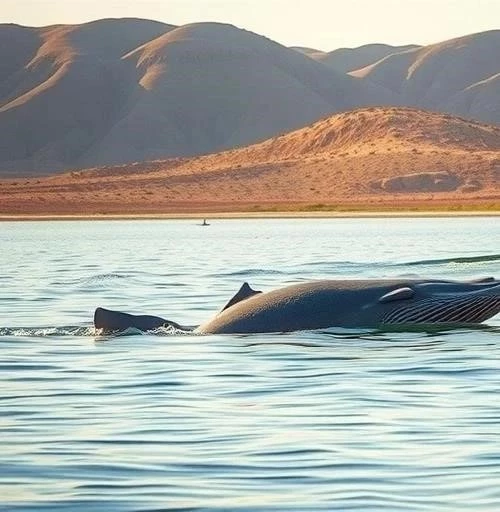
The best whale-watching trip is not a race from one viewpoint to the next. In Baja California’s sheltered lagoons, the reward is time: time to watch a spout drift across still water, to listen for a calf’s breath, and to stay put when a quiet encounter becomes unforgettable. If a place speaks to you, build your day around it rather than hurrying on.
Morning: arrive before the water wakes
Gray whales migrate along the Pacific coast to winter in the warm lagoons of Baja California Sur. Ojo de Liebre, San Ignacio, and Magdalena Bay are among the best-known destinations. The season generally runs from winter into early spring, with timing and sightings varying from year to year. Check local conditions before booking; wildlife is never guaranteed.
Start early. Dawn brings softer light, cooler air, and often a calmer surface, making it easier to notice a distant blow or the dark curve of a back. Choose a licensed local operator who follows wildlife rules, keeps a respectful distance, and limits disturbance. A responsible guide will explain what you are seeing without promising that a whale will approach the boat.
Late morning: let the lagoon set the pace
Once you are on the water, resist the urge to treat every sighting as a cue to move. A whale may surface briefly, disappear, and reappear somewhere nearby; a mother and calf may simply rest. Ask your guide whether it is possible to remain in one area, and allow silence between observations. Binoculars, a hat, sun protection, and a warm layer make lingering more comfortable. Keep cameras ready, but do not let the screen replace the view.
Afternoon: stay where curiosity leads
Different lagoons offer different rhythms, and conditions can change with wind, tide, and boat traffic. Rather than packing the schedule with distant stops, leave room for a long lunch on shore or extra time at a favorite viewing area. If you are traveling independently, confirm transport, launch times, and accommodation in advance: remote communities have limited services, and a flexible itinerary still needs practical planning.
- Choose a base: spend more than one day in the lagoon region if you can.
- Pack lightly: bring water, snacks, layers, and a dry bag for essentials.
- Watch ethically: follow the guide’s instructions and never touch or pursue wildlife.
Sunset: make room for the quiet moments
As the light softens, the lagoon may turn copper and silver, but the day’s value is not measured by close encounters or photographs. It is in patient attention: the pause after a spout, the changing color of the water, and the knowledge that these animals are passing through on their own terms. Plan from dawn to dusk, but leave the hours unhurried. In Baja’s whale lagoons, staying longer in the place you love can be the most meaningful part of the journey.