

Pyshki are small, tender rounds of dough, traditionally fried until puffed and golden. The name is associated with a range of home-style doughnuts and buns, and recipes differ from family to family. This savory version is seasoned with fresh herbs, making the little breads a welcome snack, side dish, or addition to a bowl of soup. They are best eaten warm, when the outside is lightly crisp and the middle remains soft.

What makes them special?
The appeal of herb pyshki lies in the contrast between simple dough and lively seasoning. Dill gives a familiar, grassy aroma; parsley adds freshness, while green onion brings a mild savory bite. A little garlic, black pepper, or cheese can deepen the flavor, but the herbs should remain noticeable. Finely chopping them helps distribute their taste evenly and prevents large pieces from tearing the dough.
Some cooks mix herbs directly into the dough; others scatter them over the surface or stir them into a quick topping. The first method gives every bite a gentle herbal flavor. A topping creates a more vivid aroma and is especially pleasant when brushed onto hot pyshki. Both approaches work, so choose according to whether you prefer a subtle or more pronounced result.
Ingredients
- 500 g all-purpose flour, plus a little extra for shaping
- 250 ml lukewarm milk or water
- 7 g instant yeast, or about 20 g fresh yeast
- 1 egg, 2 tablespoons neutral oil, and 1 teaspoon sugar
- 1 teaspoon salt, adjusted to taste
- About 50 g finely chopped dill, parsley, and green onion
- Neutral oil for frying, or a little oil for baking
For a richer dough, replace some of the milk with plain yogurt or sour cream. The mixture should still be soft, not stiff. If using salted cheese, reduce the salt slightly. Dried herbs can be used in a pinch, but fresh herbs provide the bright fragrance that defines this version.
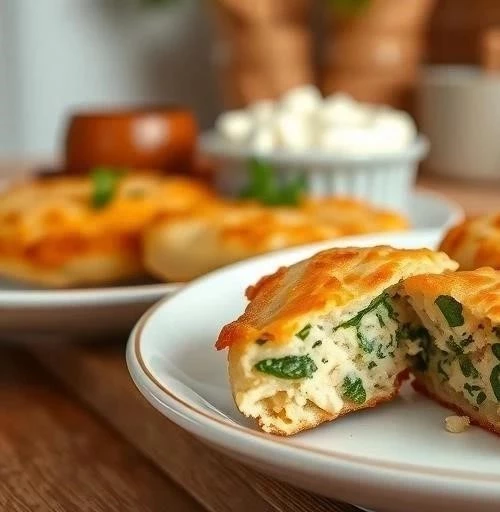
How to make herb pyshki
- Wake the yeast; Stir the lukewarm milk with the sugar and yeast. Leave it for 5–10 minutes, until lightly foamy if using active dry or fresh yeast; Instant yeast may be mixed straight into the flour, but dissolving it first helps you check that it is active.
- Mix the dough. Whisk in the egg, oil, and salt. Add the flour gradually, stirring until a shaggy dough forms. Knead for about 8 minutes by hand, or 5 minutes with a mixer, until smooth and elastic. It may feel slightly tacky; avoid adding too much flour, which can make the finished buns dense.
- Add the herbs. Fold the chopped greens into the dough near the end of kneading. If they release moisture, dust your hands lightly with flour rather than stiffening the whole batch. Place the dough in an oiled bowl, cover, and let it rise in a warm spot until doubled, usually 60–90 minutes.
- Shape. Press the air gently from the dough and divide it into 12–16 pieces. Roll each into a ball, then flatten into a round about 1–1.5 cm thick. Rest the shaped pieces under a clean towel for 15–20 minutes. This short pause helps them puff instead of springing back.
- Fry or bake. For frying, heat 2–3 cm of oil in a heavy pan to about 170–175°C. Fry a few rounds at a time, turning once, until golden on both sides and cooked through. Drain on a rack or paper towels. For a lighter version, bake on an oiled tray at 200°C for 12–16 minutes, turning once if needed.
Tips for a light, even result
Keep the oil at a steady moderate temperature. If it is too hot, the outside browns before the center cooks; if too cool, the pyshki absorb excess oil. Test with one piece first and adjust the heat. Do not crowd the pan, because adding too many rounds lowers the temperature. A thermometer is useful, but a small scrap of dough should sizzle gently and rise without darkening immediately.
Use herbs that are dry after washing, and chop them just before mixing. Wet greens can make the dough sticky and dilute its flavor. For a particularly airy crumb, allow the first rise to finish fully and avoid pressing the shaped rounds flat. A lightly floured board and gentle handling are more helpful than repeated kneading after the dough has risen.
Serving and variations
Serve pyshki warm on their own, with sour cream, garlic yogurt, or a simple dip made with butter, salt, and chopped herbs. They pair well with vegetable soup, borscht, salads, or grilled vegetables. For a more filling snack, split a bun and add cheese or sliced tomato. Leftovers can be warmed briefly in a low oven; avoid microwaving for too long, as the crumb can turn chewy.
Try changing the herb blend with chives, cilantro, or a little mint. A pinch of paprika or ground coriander adds warmth, while grated hard cheese makes the dough savory and rich. For a crisp top, brush the shaped rounds with beaten egg and sprinkle on sesame seeds before baking. Keep additions modest so the dough can still rise properly.
Herb pyshki are uncomplicated, adaptable, and rewarding to make: a soft yeast dough, a handful of greens, and patient cooking are all they need. Make them for a shared meal, serve them straight from the kitchen, and let everyone choose a dip. Their best quality is their freshness, so prepare only as many as you expect to enjoy while warm.



3 Comments. Оставить новый
The introduction makes these herb pyshki sound wonderfully inviting. I appreciate the practical notes on using fresh herbs and adjusting the seasoning to suit the ingredients.
This is a warm, clear introduction to a versatile savory snack. The ingredient guidance feels approachable, and the tips about chopping fresh herbs and balancing salt make the recipe easier to adapt.
I like that the recipe offers both frying and baking as options, along with suggestions for making the dough richer. The distinction between mixing herbs into the dough and using them as a topping is especially helpful.