
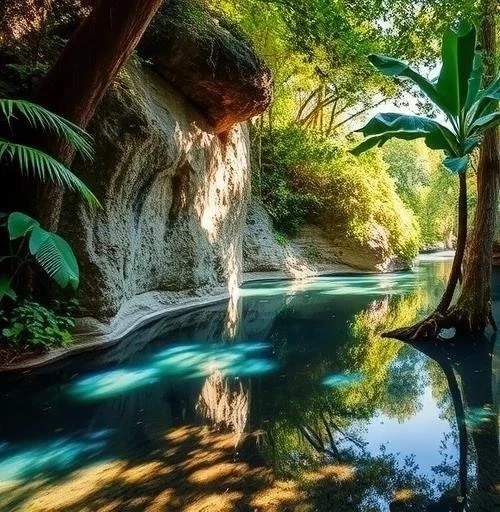
Mérida is a strong base for exploring Yucatán because it combines a lively, walkable city with day-trip access to beaches, historic towns and distinctive natural landscapes. Rather than changing hotels every night, travellers can settle into one place and make carefully chosen excursions. This approach saves packing time and lets the city itself become part of the holiday. It works best, however, when you accept that some destinations are several hours away and plan the longer drives as full days, not casual add-ons.
Why stay in Mérida?
The capital offers more than a convenient bed between excursions. Its central streets, plazas, markets and museums reward unhurried exploration, while restaurants make it easy to sample Yucatecan cooking after a day on the road. Staying centrally also means you can walk to many evening activities instead of driving after dark. A base near the historic centre is therefore more useful than a remote resort if your aim is variety rather than simply pool time.
There is a trade-off: Mérida is inland, so it cannot serve as a beachfront base. Coastal trips require transport and a little discipline. That is not a reason to reject the plan; it is a reason to group destinations by direction and avoid trying to see every beach, ruin and town in one trip. A rental car gives the greatest flexibility, while buses and organised excursions can work for major stops. Check current schedules, road conditions and opening arrangements before setting out.
A balanced seven-day outline
- Day 1, Mérida: Arrive, settle in and explore the centre at an easy pace. Visit a plaza or market, enjoy dinner locally and keep the first evening light. This buffer is valuable if travel is delayed or the heat makes a long walk tiring.
- Day 2 — City and culture: Spend a full day in Mérida, choosing a museum, historic buildings and neighbourhood streets rather than racing through a checklist. Leave time for lunch and shade. A city day gives context for the region and prevents every experience from being viewed through a car window.
- Day 3 — Progreso and the coast: Head north to Progreso for sea air, a walk along the waterfront and a beach break. Treat it as a relaxed coastal day, not a promise of untouched wilderness: conditions and crowds vary. Check local advice before swimming, and bring sun protection and drinking water.
- Day 4 — Celestún and nature: Consider a trip west to Celestún, known for its coastal wetland environment and boat excursions. Go with responsible local operators, follow wildlife guidance and never pressure guides to approach animals closely. The journey is longer than a quick city outing, so start early and allow time to return without rushing.
- Day 5 — Izamal: Visit the distinctive yellow town of Izamal for its central streets, religious and historical sites, and a slower change of pace. It pairs well with a calm afternoon back in Mérida. This is a practical example of why a fixed base works: a rewarding town visit need not require another hotel night.
- Day 6, Valladolid or a cenote: Choose Valladolid for a colonial-town atmosphere and a longer eastward excursion, or keep the day local with a cenote visit. Do not try to combine distant stops just because they appear close on a map; driving, heat and time spent at each place matter. Follow posted safety rules at swimming sites.
- Day 7, A flexible finish: Use the last day for a favourite neighbourhood, a missed museum or a second coastal pause. If you want to include a major archaeological site farther away, reserve a full day for it and adjust the rest of the itinerary. A flexible final day is more rewarding than squeezing in one last stop before departure.

Make the route comfortable and responsible
Yucatán’s heat can make short distances feel demanding. Begin outdoor activities early, carry water, take breaks in shade and keep a backup plan for storms or fatigue. Before swimming in a cenote or the sea, check local conditions and obey staff instructions. For wildlife areas, choose operators who respect distance and habitat. These are not minor cautions: they determine whether a busy itinerary remains enjoyable and whether visits avoid unnecessary harm.
Transport choices should match the group. A car is useful for combining smaller stops, but the driver should be comfortable with local roads and should not plan to cover long distances late at night. For a simpler trip, use public transport where service suits your schedule and book a guided excursion for harder-to-reach areas. Confirm departure times directly; generic route information may be incomplete or outdated. Do not assume that a route or timetable found online is operating on the day you travel.

The case for a single base
A Mérida-based journey is not the best choice for travellers who want to wake up beside the sea every morning. It is, however, an excellent choice for visitors who value cultural depth and varied day trips more than a resort routine. The city anchors the itinerary, beaches provide restorative pauses, nearby towns add architectural contrast, and wetlands or cenotes bring nature into the plan. By grouping excursions, leaving room for rest and treating travel times honestly, you can experience several sides of Yucatán without turning the holiday into a daily hotel move.
8 Comments. Оставить новый
The article makes a convincing case for using Mérida as a steady base rather than changing hotels constantly. Its emphasis on grouping outings and treating distant destinations as full-day trips is practical advice that can help travellers avoid an exhausting schedule.
The suggested balance between city time and excursions is a strong point. Spending a day understanding Mérida itself gives context to the wider region, instead of treating the city merely as somewhere to sleep between attractions.
I appreciate that the piece explains the trade-off clearly: Mérida offers culture and convenience, but it is inland, so beach visits require extra planning. That distinction helps readers choose a base that matches the kind of holiday they actually want.
The advice to leave room for rest, shade and delays makes the itinerary feel realistic rather than overly ambitious. In a hot climate, a plan that allows for slower pacing is more useful than a packed checklist.
This is a helpful introduction for travellers deciding between a city-based stay and a beach resort. The article shows how Mérida can offer a richer cultural experience, while also being honest that reaching the coast takes time and transport.
The practical transport guidance is useful because it avoids presenting one option as right for everyone. A rental car may offer flexibility, while buses or tours can suit travellers who prefer not to drive; checking current conditions is sound advice in either case.
The article’s central message—to choose a manageable number of outings and plan around distance—helps set sensible expectations. I would find the complete seven-day outline especially useful for turning that principle into a workable trip.
The recommendation to stay near the historic centre is well reasoned. Being able to walk to evening activities can make a real difference after a day of driving, and the article sensibly connects accommodation location with the overall travel plan.