
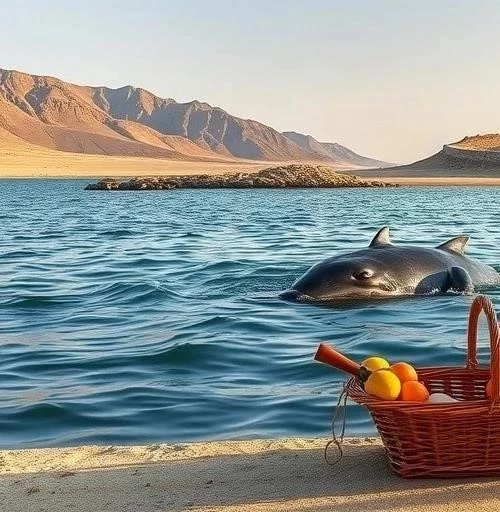
On the Pacific edge of Mexico’s Baja California Peninsula‚ winter arrives with a quiet miracle. Gray whales travel thousands of miles from Arctic feeding grounds to sheltered lagoons where their calves can be born in warmer water. From shore‚ the desert seems almost motionless; offshore‚ a whale’s back breaks the surface‚ exhales a silver cloud‚ and disappears. The best trip here is not a checklist of sightings. It is a slow passage through salt air‚ open road‚ local kitchens‚ and one of the most extraordinary encounters in the natural world.
Where the whales meet the desert
Three lagoon regions are especially associated with gray whales: Laguna Ojo de Liebre‚ near Guerrero Negro; Laguna San Ignacio‚ farther south; and the channels and bays of Bahía Magdalena. Each has its own character. Ojo de Liebre is a vast‚ protected lagoon edged by salt flats. San Ignacio feels remote and intimate‚ reached by a long journey across the peninsula. Bahía Magdalena offers a maze of islands and waterways‚ with working fishing towns close by.
Whales generally arrive in winter and remain into spring‚ with sightings often strongest from February into March. Timing varies‚ though‚ and wildlife follows its own calendar. A trip in January may feel wonderfully quiet; a later visit may bring more calves and active encounters. No operator can promise a whale will approach a boat. That uncertainty is part of the experience: the lagoon is a home‚ not a performance.
A respectful encounter
Choose a licensed local operator who follows current wildlife regulations and keeps the boat at a considerate distance. In some areas‚ gray whales have become famously curious‚ sometimes approaching boats themselves. If one does‚ let the animal set the terms. Keep voices low‚ follow the guide’s instructions‚ and never touch‚ feed‚ chase‚ or block a whale’s path. Regulations and access arrangements can change‚ so confirm them locally before setting out.
Bring binoculars‚ a windproof layer‚ sun protection‚ and a camera you can use without leaning over the boat. The first sign may be a puff of breath‚ a small dark fin‚ or a calf rolling beside its mother. Watch the water rather than staring only through a lens. The memory that lasts may be the hush after a whale surfaces‚ when everyone aboard seems to remember how to be quiet at once.
The road is part of the destination
Most travelers begin in Los Cabos or La Paz and drive north on Mexico’s Highway 1‚ while others arrive through Loreto or fly to Guerrero Negro. Distances are substantial‚ and a map can make the peninsula look easier than it feels. Plan daylight driving‚ allow generous time between towns‚ and check fuel availability before leaving larger settlements. Services become sparse on remote stretches. Carry water‚ snacks‚ a charged phone‚ and offline maps; mobile coverage can disappear without ceremony.
A rental car gives flexibility‚ but ask in advance about road conditions‚ insurance‚ and whether the vehicle is suitable for the route to your chosen lagoon. Some final approaches are rough or sandy‚ and guided transfers may be wiser than attempting them alone. Avoid driving after dark‚ watch for livestock‚ and treat roadside stops as breaks rather than opportunities to race the sunset. The peninsula rewards patience with cardón cactus silhouettes‚ wide skies‚ and sudden glimpses of the Pacific.
Eat Baja‚ not just the view
Food gives the journey its human rhythm. In coastal towns‚ look for the catch of the day‚ grilled fish‚ shrimp‚ and fish tacos dressed with cabbage‚ salsa‚ and lime. At a simple roadside stop‚ a warm tortilla can be a small masterpiece. Inland‚ ask what is fresh and seasonal rather than expecting a fixed menu; local cooks often work with what the boats and markets brought in that morning.
Try regional cheeses‚ beans‚ and handmade tortillas‚ and make room for a bowl of seafood soup after a cool morning on the water. Choose restaurants and vendors that handle seafood safely‚ and follow local advice about shellfish and current conditions. Carry reusable bottles and refuse unnecessary plastic where possible. In small communities‚ buying a meal or craft locally helps make conservation and tourism partners rather than strangers.
A gentle three-day sketch
- Day one: Drive to your base town in daylight. Settle in‚ eat locally‚ and ask your host about departure times‚ weather‚ and the latest lagoon access information.
- Day two: Take a morning whale-watching trip‚ when the light is soft and the water may be calm. Spend the afternoon resting‚ walking‚ or visiting a salt flat or nearby community with a local guide.
- Day three: Take a second outing only if it suits your budget and the conditions. Then begin the next leg without rushing; stop for lunch‚ stretch‚ and let the landscape become part of the story.
Travel lightly‚ notice more
Book lodging and boat trips ahead during the popular winter season‚ especially in small destinations with limited beds. Pack layers: desert sunshine can feel warm‚ while a moving boat is chilly. Bring cash for places that may not accept cards‚ but confirm payment expectations before you arrive. Check weather‚ road‚ and marine updates shortly before travel. If plans change‚ a flexible day is more useful than a tightly packed itinerary.
Most of all‚ resist the temptation to measure the trip by how close a whale comes. The lagoons are nurseries‚ the road crosses fragile landscapes‚ and the people who live here are more than scenery. Travel with curiosity and restraint: choose local guides‚ leave wildlife undisturbed‚ take rubbish away‚ and ask before photographing people. Then the journey becomes something richer than a sighting—a chance to understand how ocean‚ desert‚ food‚ and community share one remarkable coast.
When you leave‚ the whales will continue their migration‚ and the highway will keep unspooling through cactus country. You may carry home a photograph‚ but the truer souvenir is a changed sense of scale: a small boat‚ a wide lagoon‚ a mother and calf moving through it‚ and the patience to let the moment belong to them.
5 Comments. Оставить новый
This is a refreshing travel guide because it leaves room for uncertainty. The reminder that wildlife keeps its own calendar may be the most useful advice of all.
The details about the three lagoons give the destination a real sense of scale and personality. I came away wanting to explore slowly, with binoculars in one pocket and no expectations in the other.
I love how the desert and the sea seem to trade places here: one still, one breathing. The article makes the journey feel worthwhile even before a whale appears.
The line “the lagoon is a home, not a performance” gives this piece its compass. It turns whale-watching from a hunt for photographs into an invitation to be a quieter guest.
A lovely blend of wonder and responsibility. The whales are never treated as props, and that respect makes the imagined encounter feel even more extraordinary.