
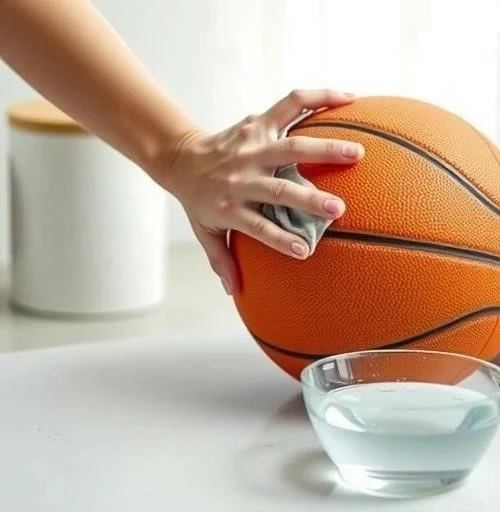
A clean basketball is easier to grip‚ more comfortable to handle‚ and less likely to carry dirt onto a court. The right method depends on the ball’s surface: rubber‚ composite or synthetic leather‚ and genuine leather may require different care. Check the manufacturer’s instructions first‚ especially for a new or expensive ball. In most cases‚ gentle cleaning with a damp cloth is enough.
What You’ll Need
- A soft‚ clean cloth or sponge
- Warm water
- A small amount of mild soap‚ if needed
- A dry towel
- A soft brush for stubborn dirt in the grooves
Avoid abrasive pads‚ household disinfectants‚ solvents‚ bleach‚ and strong detergents. These can damage the surface‚ fade its color‚ or reduce grip. Do not use a stiff wire brush or scrape dirt with a sharp object.
Step-by-Step Cleaning
- Prepare the ball. If it is very dusty or muddy‚ gently remove loose dirt with a dry cloth. Do not rub grit hard into the surface‚ as it may scratch or wear the material.
- Dampen the cloth. Mix a little mild soap into a bowl of warm water if plain water is not enough. Dip in the cloth and wring it out thoroughly. It should be damp‚ not dripping.
- Wipe the surface. Clean one section at a time using light pressure and small circular motions. Pay attention to the grooves‚ where dust and grime often collect. Use a soft brush lightly if necessary‚ then wipe the loosened dirt away.
- Remove soap residue. Rinse the cloth with clean water‚ wring it out‚ and wipe the ball again. Soap left on the surface can make it slippery or attract more dirt.
- Dry it completely. Pat the ball with a towel and let it air-dry at room temperature. Turn it occasionally so moisture does not remain in the grooves. Wait until it is fully dry before playing or storing it.
Care by Ball Material
Rubber
Rubber outdoor balls are generally durable and can usually be wiped with a damp cloth and mild soap. Rinse away residue and dry the ball. Avoid leaving it soaking in a bucket or spraying it with a high-pressure hose.
Composite or Synthetic Leather
Use a lightly damp cloth and gentle pressure. These surfaces can lose texture or grip if scrubbed aggressively or treated with harsh cleaners. Follow any care instructions supplied with the ball.
Genuine Leather
Leather balls need extra care. Use as little water as possible and avoid soap unless the manufacturer permits it. Do not soak the leather‚ since excess moisture may affect its feel and shape. Let the ball dry naturally; use only a cleaner or conditioner specifically approved for that ball.
Common Mistakes to Avoid
- Do not submerge the ball. Water can enter through seams or the valve and may damage the ball or affect its performance.
- Do not use a washing machine or dishwasher. Strong agitation‚ heat‚ and detergents are unsuitable for basketball materials.
- Do not dry it with heat. Radiators‚ hair dryers‚ direct sunlight‚ and hot car interiors can cause uneven drying or damage.
- Do not play with a wet ball. It may be slippery‚ and moisture can make dirt cling to the surface.
How Often Should You Clean It?
Wipe the ball after particularly dusty‚ muddy‚ or sweaty sessions‚ and clean it more thoroughly when visible dirt builds up. A quick dry wipe after regular play can help keep the surface in good condition. Indoor balls used on clean courts may need less frequent washing than outdoor balls.
Storage and Prevention
Store the ball in a cool‚ dry place‚ away from direct sunlight and sharp objects. Keeping it in a sports bag is convenient‚ but let the bag and ball dry out after use rather than sealing away damp equipment. Avoid placing the ball on dirty floors or rough surfaces when it is not being played with. Regular light care is safer and easier than trying to remove heavy grime later.
In short: use a soft cloth‚ a small amount of water‚ and mild soap only when needed. Clean gently‚ remove residue‚ and let the ball air-dry fully. When in doubt‚ follow the instructions for the specific ball material.
7 Comments. Оставить новый
The article offers practical, easy-to-follow cleaning steps and appropriately emphasizes checking the manufacturer’s instructions.
The reminders to use gentle materials and avoid harsh cleaners are useful for protecting a basketball’s surface.
The advice to dry the ball completely before playing or storing it is a practical detail.
The step-by-step structure makes the general cleaning process straightforward to understand.
The article clearly explains why abrasive tools and strong cleaning products may be unsuitable for basketballs.
It is helpful that the article distinguishes between removing loose dirt and wiping the ball with a damp cloth.
The list of suggested supplies is concise, and most items are easy to find at home.