
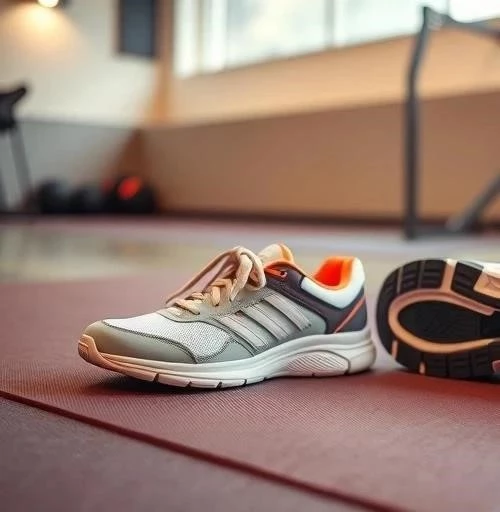
Choosing fitness sneakers for a child involves more than selecting a familiar brand or an attractive color. Shoes need to fit the child’s feet‚ suit the activities they actually do‚ and feel comfortable during movement. Reebok makes footwear in a range of styles‚ including options intended for sport‚ training‚ and everyday wear. However‚ features differ between models‚ so the brand name alone cannot confirm that a particular pair will be suitable. This article reviews potential advantages and limitations of Reebok fitness sneakers for children and offers practical points to consider before buying.
What “fitness sneakers” can mean for children
The term can describe shoes used for physical education‚ indoor exercise‚ playground games‚ dance-based activities‚ or general active wear. These uses do not all place the same demands on footwear. A child doing short school workouts may need a comfortable‚ versatile shoe‚ while a child who runs regularly or plays a court sport may benefit from footwear designed specifically for that activity. A general-purpose fitness sneaker may be convenient‚ but it is not automatically the best choice for every sport or surface.
Reebok’s children’s range can change over time‚ and construction varies by style. Some pairs may have a more flexible‚ lightweight design; others may feel firmer or provide more structure. Materials‚ sole patterns‚ fastening systems‚ and cushioning are not identical across the range. The points below are therefore general considerations‚ not a guarantee about every Reebok model. Checking the product description and trying on the specific pair are important parts of the decision.
Potential advantages
A range of styles and uses
A broad selection can make it easier to find a shoe that matches a child’s routine and preferences. Depending on what is available in the relevant market‚ families may find different colors‚ closures‚ and design profiles. Some styles may work for school physical education and ordinary play‚ reducing the need to buy separate shoes for every casual activity. A child who likes the appearance of a pair may also be more willing to wear it consistently‚ although appearance should not outweigh fit or suitability.
Familiarity and availability
Reebok is a widely recognized sportswear brand‚ and its products may be sold through brand stores‚ shoe retailers‚ and online shops. Availability can help families compare sizes‚ prices‚ and designs‚ and may make it easier to replace a pair when a child outgrows it. In some locations‚ shoppers can try the shoes in person before purchasing. Actual stock‚ size ranges‚ and return policies differ by retailer and region‚ so these should be checked rather than assumed.
Features intended for active movement
Models marketed for training or fitness may include details intended to support movement‚ such as a treaded outsole‚ a cushioned midsole‚ or a secure fastening system. These features can be useful when they suit the activity and fit the child correctly. A fastening that holds the foot in place‚ for example‚ can make a shoe feel more secure during basic exercises. The benefits depend on the individual design: a feature listed in a product description does not establish that the shoe is right for every child or activity.
Potential everyday versatility
Some fitness sneakers can be worn for more than one casual purpose‚ such as walking to school‚ indoor lessons‚ or light play. This may be practical for families who want one pair for ordinary use and occasional exercise. Versatility has limits‚ however. A shoe worn frequently outdoors may become dirty or worn more quickly‚ and a pair used for a specialized sport may not offer the support or traction that sport requires. It is useful to think about where the child will wear the shoes most often.
Familiar design and child preferences
Color‚ shape‚ and branding can matter to children‚ particularly when they are choosing shoes for school or group activities. A design the child finds appealing may encourage regular use. Reebok’s branding may also be familiar to families who have previously purchased the company’s footwear. These are convenience and preference factors‚ not evidence of superior comfort or performance. A child should still be able to walk and move naturally in the shoe‚ without pinching‚ slipping‚ or needing to tolerate discomfort because of its appearance.
Potential disadvantages and limitations
Fit varies from model to model
One of the main limitations is that a brand-wide size label cannot predict how a particular shoe will fit an individual child. Internal length‚ toe-box shape‚ width‚ heel hold‚ and the feel of the upper may differ between models. Children’s feet also vary in shape and can grow quickly. A pair that is the same nominal size as another shoe may feel tighter‚ looser‚ or differently shaped. If possible‚ try on both shoes and assess the actual fit rather than relying on the number printed on the box.
A general trainer may not suit every sport
Fitness footwear is not necessarily a substitute for shoes designed for running‚ football‚ basketball‚ tennis‚ or another specific activity. Sports can involve different movements‚ surfaces‚ and patterns of impact. A general training shoe may be adequate for some school exercises but may not provide the characteristics a particular sport calls for. Parents should follow relevant school or coach guidance and consider the playing surface and type of movement. If an activity is frequent or specialized‚ footwear made for that activity may be a better match.
Comfort and cushioning are personal
Descriptions such as “cushioned‚” “lightweight‚” or “supportive” do not guarantee that a shoe will feel comfortable to a particular child. Some children prefer a softer feel‚ while others may find a firmer or more flexible shoe more natural. A thick or soft sole is not automatically better for every activity. If the shoe feels awkward in the shop‚ causes pressure‚ or makes the child change the way they walk‚ it is sensible to try another size or model instead of expecting the child to adapt to it.
Materials and durability differ
The expected lifespan of a pair depends on its construction‚ frequency of use‚ the child’s activity‚ and the surfaces where it is worn. No brand can ensure that every shoe will withstand heavy daily use. Lightweight materials may be comfortable but can show wear differently from more substantial materials. Outsoles can lose tread‚ seams can weaken‚ and closures can become less effective over time. Inspecting the shoe periodically is particularly important if it is used for school and exercise every day.
Price and value depend on the specific pair
Prices can vary by model‚ retailer‚ location‚ and time of purchase. A higher price does not necessarily mean a better fit‚ and a discounted pair is not a good value if it is uncomfortable or unsuitable. Children may outgrow footwear before it wears out‚ which can affect how much a family wants to spend. Comparing the shoe’s fit‚ intended use‚ construction‚ return terms‚ and expected frequency of wear is more useful than judging value from the brand name alone.
Online shopping can make assessment harder
Buying online can offer convenient access to sizes and designs‚ but it is harder to judge fit and feel from photographs. Size charts can be useful‚ though they may not capture differences in foot shape or the internal proportions of each model. Product images also cannot show how securely the heel holds or whether the toe area feels restrictive. When ordering remotely‚ check the seller’s measurement guidance and return policy‚ and allow time to exchange a pair if the fit is unsuitable.
How to assess fit
Children should try shoes on while wearing the type of socks they expect to use with them. Check both feet‚ since they may not be exactly the same size‚ and use the larger foot as a guide. The toes should have room to move without the shoe being so long that the foot slides forward. The heel should feel reasonably secure‚ and the upper should not press painfully across the foot. There is no single measurement that replaces checking how the shoe feels during movement.
Ask the child to walk and‚ where appropriate‚ perform a few gentle movements similar to those in the intended activity. Watch for slipping‚ rubbing‚ or an obvious change in gait. The child should not need to curl their toes to keep the shoe on or loosen the fastening to escape pressure. A shoe that feels comfortable while seated may feel different when walking or bending; If discomfort continues after checking the size and fastening‚ choose a different option.
Do not buy an excessively large pair solely to allow for growth. Too much extra space can make the foot move inside the shoe and may interfere with confident movement. At the same time‚ a snug fit should not mean tightness. Because children grow at different rates‚ check fit regularly rather than assuming that a recently purchased pair will remain suitable for a full season. Replace shoes when they become too small‚ damaged‚ or unsuitable for the activity.
Questions to consider before buying
- What will the shoes be used for? Identify whether they are mainly for school fitness classes‚ walking‚ casual play‚ or a particular sport.
- Where will the child wear them? Indoor floors‚ pavement‚ grass‚ and sports courts can call for different outsole characteristics.
- Does the specific model fit? Check toe room‚ width‚ heel hold‚ and comfort on both feet.
- Can the child manage the fastening? Laces‚ straps‚ or other closures should be secure and practical for the child’s age and ability.
- Is the shoe appropriate for school rules? Some schools specify footwear or require a particular type of sole for indoor activities.
- Can the pair be returned or exchanged? This matters especially when purchasing online or when fit has not been confirmed.
- How often will it be used? A shoe for occasional activity may have different value than one intended for daily wear.
Care and replacement
Following the care instructions supplied with the specific pair can help preserve its condition. Remove surface dirt with a method appropriate for the materials‚ and allow damp shoes to dry naturally in a ventilated place. Avoid assuming that every model is suitable for machine washing or direct heat‚ since these can affect materials and construction. Letting shoes dry between uses may also be helpful when they become damp or sweaty. Care cannot prevent normal wear‚ but it can make it easier to notice damage early.
Check the outsole for worn or uneven tread‚ the upper for tears or separated seams‚ and the fastening system for damage. Also pay attention to changes in how the child moves or reports how the shoes feel. A visibly intact shoe may still be too small‚ while a shoe that has lost traction or no longer holds the foot securely may need replacing. The appropriate replacement point depends on the condition of the pair and the child’s needs‚ not on a fixed timetable.
Overall assessment
Reebok fitness sneakers for children may offer useful options for families looking for branded athletic footwear in different styles. A suitable model can be comfortable for ordinary exercise or casual active use if its construction matches the activity and it fits the child well. Potential advantages include access to a variety of designs‚ possible everyday versatility‚ and features intended for movement. These are possibilities rather than universal qualities: the details depend on the specific pair.
The main disadvantages are also practical rather than unique to one brand. Fit can vary‚ a general trainer may not suit a specialized sport‚ comfort is individual‚ and durability and value depend on how the shoes are made and used. Reebok’s name alone cannot resolve these questions. Comparing the model with the child’s activity needs‚ checking the fit in person when possible‚ and reviewing return terms are more reliable steps than choosing by appearance or label alone.
In brief‚ a Reebok fitness sneaker can be a reasonable choice when the child finds it comfortable‚ the shoe is appropriate for the intended surface and activity‚ and the construction is in good condition. It may be a less suitable choice if it causes pressure‚ slips during movement‚ is too large or small‚ or is being used in place of footwear required for a particular sport. A careful fitting and periodic reassessment are especially important because children’s feet and activity needs change over time.
1 Comment. Оставить новый
The article offers a useful overview of factors to consider when choosing children’s fitness sneakers, especially the importance of matching footwear to the child’s activities and checking the specific model. Its reminder that features vary by style helps keep the advice practical and balanced.