
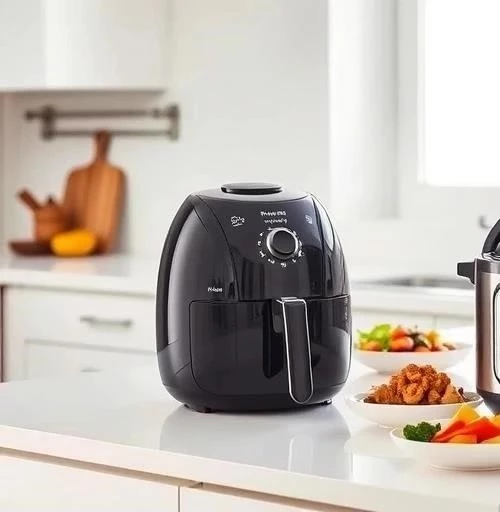
An air fryer and a multicooker can both make everyday cooking easier‚ but they solve different problems. An air fryer uses fast-moving hot air to brown and crisp food‚ while a multicooker is a lidded electric pot designed for cooking methods such as pressure-cooking‚ steaming‚ simmering and slow-cooking. The better choice depends less on which appliance is “best” and more on what you cook‚ how much time you have and what equipment is already in your kitchen.
How an air fryer works
An air fryer is essentially a compact convection oven. A heating element warms the air‚ and a fan circulates it around food in a basket or tray. This produces a browned‚ crisp exterior with little or no added oil. It is especially effective for chips‚ vegetables‚ chicken pieces‚ fish fillets‚ frozen snacks and reheating leftovers that would turn soft in a microwave.
Its main advantage is texture. Food can become pleasantly crisp without being submerged in oil‚ although results depend on the recipe and may not exactly match deep-frying. Small portions often cook quickly‚ and the appliance usually needs little preheating. Basket models are straightforward to operate‚ but food may need shaking or turning to brown evenly. Capacity can also be limiting: a crowded basket tends to steam food instead of crisping it‚ so larger meals may require several batches.
How a multicooker works
A multicooker is a versatile electric cooking pot‚ often with settings for pressure-cooking‚ sautéing‚ steaming‚ slow-cooking‚ rice or porridge. Functions differ between models‚ so check the actual programme list before buying. Pressure cooking is useful for beans‚ grains‚ stews and tougher cuts of meat: it can shorten cooking time compared with conventional simmering. Slow-cooking‚ by contrast‚ is designed for meals that gently cook over several hours.
The sealed pot retains moisture‚ making multicookers well suited to soups‚ curries‚ braises and one-pot dishes. Many models can brown ingredients before liquid is added‚ reducing the number of pans to wash. However‚ they generally do not create the dry‚ crisp surface an air fryer is made for. Pressure cooking also includes time for the appliance to build and release pressure‚ so the total time is longer than the programmed cooking time shown on the display.
Key differences
- Best texture: Choose an air fryer for crisp‚ browned food. Choose a multicooker for tender‚ moist meals.
- Best dishes: Air fryers excel at snacks‚ roasted vegetables and smaller portions of meat. Multicookers excel at soups‚ grains‚ beans‚ stews and one-pot dinners.
- Speed: Air fryers are quick for small items. Multicookers can cook pressure-friendly ingredients rapidly‚ but pressure build-up and release add time.
- Capacity: A multicooker’s deep pot can suit family-sized dishes‚ while an air fryer’s usable capacity depends on basket area. A large-looking basket still needs room for air to circulate.
- Cleanup: Both often have removable parts‚ but cleaning effort varies. Check whether the basket‚ pot and accessories are dishwasher-safe‚ and consider how easy it is to clean the lid and heating area.
- Counter space: Both take up room. Air fryers can be bulky for their capacity; multicookers can be tall and heavy‚ especially when the lid is open.
Which one should you buy?
Choose an air fryer if you often cook crispy foods‚ want a convenient way to roast small portions‚ or regularly reheat pizza‚ breaded foods and leftovers. It is a strong option for people who value texture and prefer not to heat a full-size oven for a modest amount of food. It is less suitable when you need to prepare large batches at once or mainly cook liquid-based meals.
Choose a multicooker if your regular meals include rice‚ lentils‚ beans‚ soups‚ stews or braised meat. It is particularly helpful if you want several cooking functions in one appliance or like to prepare a complete meal in a single pot. It is not a substitute for a grill or fryer when crisping is the priority‚ and its many buttons are only useful if you will actually use those programmes.
Can one replace the other?
Usually‚ no. They overlap in a few tasks—both can cook vegetables or meat—but their strengths are different. An air fryer can roast ingredients before they go into a stew‚ and a multicooker can cook the main dish while a separate appliance crisps a side. If you have room and cook often‚ owning both can be practical. If you want just one‚ choose according to the meals you make most often‚ not the longest feature list.
Practical buying checklist
Before purchasing‚ estimate your usual portion size and available counter space. Compare capacity‚ power‚ controls‚ preset options‚ cleaning requirements‚ warranty and replacement-part availability. Read the manual’s safety guidance‚ particularly for pressure-cooker lids and minimum liquid requirements. Also compare the cost of accessories: racks‚ liners and extra pots can add to the final price. A simpler model that suits your routine may be a better purchase than a more expensive appliance with programmes you will never use.
Bottom line
An air fryer is better for quick‚ crisp results; a multicooker is better for moist‚ versatile‚ one-pot cooking. Neither is universally superior. For roasted snacks and browned food‚ pick the air fryer. For grains‚ soups‚ beans and tender dinners‚ pick the multicooker. Let your usual menu‚ household size and kitchen space make the decision.

5 Comments. Оставить новый
This gives a balanced sense of the trade-offs, including capacity and cooking time. I would find it useful as a starting point before comparing specific appliances.
Helpful overview, especially the reminder to check which programmes a multicooker actually includes. Features can vary a lot between models.
I appreciate the realistic note that an air fryer cannot always match deep-frying and that overcrowding affects crispness. Those details are helpful when setting expectations.
The distinction between crisping food and cooking moist one-pot meals is useful. It makes the choice feel less like a contest and more about what suits your kitchen.
A clear, practical comparison. The explanation of how each appliance works makes it easier to choose based on the kinds of meals you actually cook.