
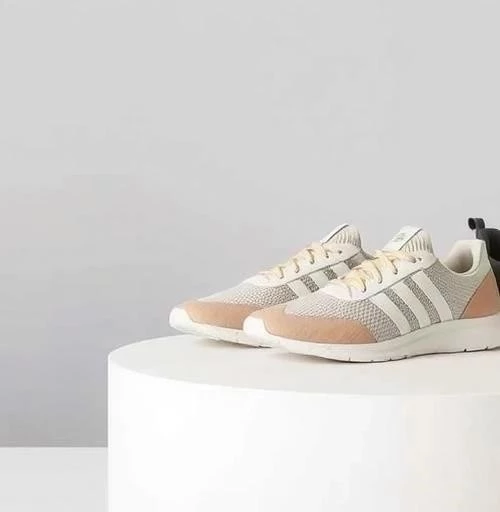
ASICS makes shoes for several kinds of everyday life: walking to work, commuting, running errands, standing for long periods, and putting together a casual outfit. Some models are built as running shoes and happen to work well for daily wear; others are lifestyle sneakers inspired by the brand’s athletic archive. Knowing which kind you are shopping for is the first step. A shoe that feels great for a short walk may not provide the support or durability you want for all-day use, while a technical running model may feel too sporty for your wardrobe.
This guide explains the main ASICS options, how they differ, and what to consider when choosing a pair. Model names and specifications can change between versions, so check the details of the exact shoe available in your region. Comfort is personal: use these comparisons as a starting point, not as a substitute for trying on a shoe when possible.
Start with the way you will wear them
“Everyday sneaker” can mean very different things. If your priority is cushioning for hours on your feet, look first at ASICS running models designed for comfort. If you want a classic retro look for casual outfits, consider the lifestyle range. If you need a little more guidance or structure through your stride, explore stability-oriented running shoes. A model’s category is a useful clue, but it does not determine whether it will suit your particular feet.
- Walking and standing: Look for a comfortable fit, a forgiving midsole, and a stable base. Try the shoe at the end of the day, when your feet may be slightly larger.
- Commuting: Consider weight, grip, weather, and how easily the upper can be cleaned. A highly cushioned shoe can feel pleasant, but a lower-profile option may be easier to wear on crowded transport.
- Casual outfits: Lifestyle models often have a more understated or vintage profile. Choose a shape and color that work with the clothes you already wear.
- Mixed use: If you plan to run as well as walk, choose a current running shoe suitable for your running needs. A lifestyle sneaker may look sporty without being designed for regular training.
Comfort-focused running shoes
GEL-Nimbus
The GEL-Nimbus is ASICS’ well-known option for runners who want a plush, cushioned ride. That softness can also appeal to people who spend long stretches walking or standing. It is worth trying if comfort is your top priority and you like a substantial, protective feel underfoot. The trade-off is that a highly cushioned shoe may feel bulkier than a simple casual sneaker, and its tall profile will not suit everyone. Check the current version’s weight and fit, as these can differ from one generation to another.
GEL-Cumulus
The GEL-Cumulus is another neutral running shoe, generally positioned as a versatile daily trainer. It can be a good place to start if you want cushioning but do not necessarily want the most maximal feel in the range. For everyday wear, consider whether the shoe feels comfortable at walking pace, not only when jogging. The shape, heel hold, and forefoot room matter just as much as the cushioning label.
Novablast
Novablast models are known for a lively, springy ride. That energetic sensation may make walks feel less monotonous, though it is a matter of preference. Some wearers love a responsive, bouncy midsole; others prefer a calmer, more grounded platform for standing or slow walking. Try several steps, turns, and a short period of standing in the shoe before deciding. Do not assume that the most energetic shoe is automatically the most comfortable for daily use.
Stability-oriented options
GEL-Kayano
The GEL-Kayano is a stability-focused running line with substantial cushioning. It may suit people who appreciate a guided, supportive sensation, but stability shoes are not automatically necessary for everyone. A shoe should feel comfortable and secure rather than forcing your foot into an unfamiliar position. If you have persistent pain, a diagnosed condition, or specific footwear recommendations from a clinician, use that advice to guide your choice.
GT-2000
The GT-2000 offers another stability-oriented option, often appealing to shoppers who want support in a somewhat more streamlined package than a highly cushioned model. The precise feel varies by version. Compare it with a neutral shoe if you are unsure which category you prefer, and pay attention to how the arch and midsole feel during ordinary walking. Pressure, rubbing, or a sense that the shoe is steering your foot in an uncomfortable way are reasons to try another model.
Retro and lifestyle sneakers
GEL-1130 and GEL-Kayano 14
These archive-inspired styles have become popular choices for casual outfits. Their layered uppers and technical-looking details give them a distinctly early-2000s running aesthetic. They are designed as lifestyle sneakers, so shop for them primarily for their appearance, fit, and comfort in day-to-day use—not as replacements for a current running shoe. The GEL-Kayano 14 has a more substantial visual presence, while the GEL-1130 can feel like a versatile entry point into the look.
GEL-Lyte III and GEL-Lyte V
The GEL-Lyte family offers a more recognizable heritage profile. The GEL-Lyte III is especially known for its split-tongue construction, which gives it a distinctive appearance and fit. That design can feel different from a conventional sneaker, so check that the tongue sits comfortably and does not create pressure. The GEL-Lyte V has its own streamlined shape and may appeal if you prefer a less unusual upper. Availability and materials vary by release.
JAPAN S and EX89
For a cleaner, court-inspired look, consider the JAPAN S or EX89. These models can pair easily with jeans, chinos, and other casual clothes. Their lower-profile designs may feel firmer and less cushioned than modern running shoes, which some people prefer for everyday outfits. If you walk long distances, test them over a realistic period rather than judging only by how they look on a shelf.
How to choose the right fit
Fit should come before color or technology. Try shoes with the socks you expect to wear, and lace them as you normally would. Your toes should have room to spread without the foot sliding around. The heel should feel secure, while the upper should not pinch across the forefoot or press uncomfortably on the top of your foot. Walk, turn, and stand still for a few minutes. A shoe that feels fine while seated can reveal pressure once you move.
Do not rely on a size number alone. Sizing may differ between models and between versions of the same model. If you are between sizes, compare both rather than assuming that going up is always best. Also check whether the shoe is offered in different widths in your market. A longer size will not necessarily solve a width problem, and an overly loose fit can cause heel movement or rubbing.
Match the shoe to your wardrobe
For maximum versatility, begin with a neutral color such as black, white, grey, navy, or a muted earth tone. A simple colorway can work with denim, joggers, and casual trousers. Retro designs often feature multiple panels and contrasting details, so a restrained palette can make a visually busy sneaker easier to style. If your clothes are mostly neutral, a brighter shoe can provide an accent; if your outfits already contain strong colors, a quieter pair may get more wear.
Think about proportions as well as color. A chunky running shoe can balance relaxed trousers, while a sleeker lifestyle model may sit more naturally with straight-leg jeans or cleaner casual clothing. There is no universal rule: the best choice is the one that feels comfortable and looks at home with the outfits you actually wear.
Materials, weather, and care
Mesh uppers are often breathable and light, but they may be less convenient in rain or muddy conditions. Leather or synthetic overlays can be easier to wipe clean, although they may feel warmer. Some models include water-resistant features, but do not assume that a sneaker is waterproof unless the product description explicitly says so. For wet climates, check the upper, seams, outsole grip, and care instructions before buying.
Let shoes air out between wears, and clean dirt with a soft brush or damp cloth appropriate to the material. Avoid harsh cleaners and high heat, which can damage adhesives or finishes. If you wear the same pair daily, rotating with another pair can give the shoes time to dry and may help them stay fresher. Replace them when the fit or cushioning has noticeably deteriorated, or when the outsole is worn enough to affect traction.
Common shopping mistakes
- Choosing by technology name alone: Marketing terms do not tell you how a shoe will feel on your feet. Fit and comfort are more important.
- Buying a running shoe only for its look: Running models can be excellent daily shoes, but their shape and ride may not suit your clothes or walking habits.
- Assuming retro means comfortable for every distance: Lifestyle sneakers vary in cushioning and support. Test them for the kind of day you expect to have.
- Ignoring the return policy: When possible, shop somewhere that allows a reasonable try-on period, especially if you have not worn that model before.
- Expecting a shoe to fix pain: Persistent discomfort deserves professional assessment rather than repeated guesswork with different sneakers.
A simple shortlist
For a plush, protective sensation, begin with the GEL-Nimbus. For a versatile neutral running shoe, compare the GEL-Cumulus. If you like a lively feel, try Novablast. For a guided ride, test GEL-Kayano or GT-2000, while remembering that stability is a preference and not a universal requirement. For casual heritage styling, look at GEL-1130, GEL-Kayano 14, GEL-Lyte III, or GEL-Lyte V. For a more straightforward court-inspired look, consider JAPAN S or EX89.
Final advice
The best ASICS everyday sneaker is the one that fits securely, feels comfortable during your normal routine, and suits your personal style. Decide whether you need a running shoe or a lifestyle sneaker, narrow the options by cushioning and support, then compare fit in person if you can. Walk around in both shoes, check the toe room and heel hold, and give comfort more weight than trends or technical claims; With those basics in mind, you can choose a pair that earns regular use rather than simply looking good on day one.
4 Comments. Оставить новый
I appreciate the practical advice about trying shoes on later in the day. Fit and comfort matter more than choosing a model based on popularity alone.
A clear, balanced guide. The note that comfort is personal—and that model specifications can vary by version—sets realistic expectations for shoppers.
The commuting and mixed-use considerations are useful, especially the reminder to think about weight, grip, and how the shoe fits into everyday outfits.
The distinction between running shoes and lifestyle sneakers is helpful. It’s easy to assume every ASICS model is designed for the same kind of use.