
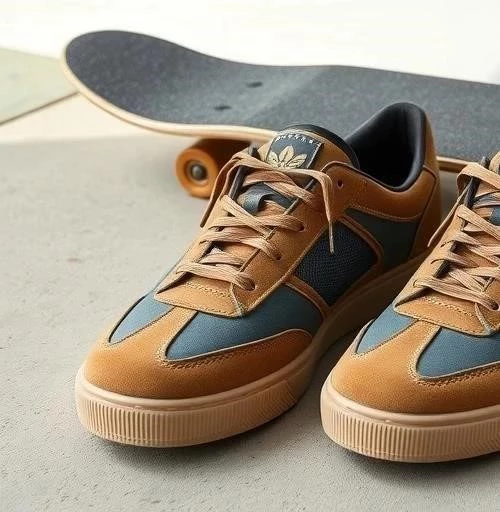
ASICS skateboarding shoes for wide feet deserve a focused review: this guide surveys skate-ready models and their place in a skater’s rotation. It introduces ASICS models for skaters‚ framing a broad overview rather than a one-pair verdict. Use this overview to see which ASICS models merit a closer look for your skating plans overall.
Fit and Sizing: Wide Last‚ Roomy Toe Box‚ Comfortable Fit‚ Foot Width‚ and the ASICS Size Chart
Check each ASICS pair individually: a wide last and roomy toe box can vary by model. Compare your foot width with the brand’s size chart‚ then use size selection as a starting point‚ not a promise. Allow toes to rest naturally; don’t size up automatically‚ since extra length may make the fit unstable. Try both shoes with your usual socks‚ stand‚ and assess pressure across the forefoot. A comfortable fit leaves space without pinching‚ rubbing‚ or heel lift. If between sizes‚ consult the retailer’s width guidance and return policy.
Measure both feet late in the day‚ when they may be slightly larger‚ and use the longer measurement to guide your choice. Place your heel against a wall‚ mark the end of your longest toe‚ then compare that length with the ASICS size chart. Check the chart for the region you are shopping in: US‚ UK‚ and European numbers are not interchangeable. A length match is only a starting point‚ because shoe width and shape also affect how a pair fits.
For wide-foot sneakers‚ pay attention to the forefoot rather than relying only on the size printed on the box. The sides should not press into the foot‚ and the toes should not overlap or feel forced together. At the same time‚ a roomy toe box should not mean choosing a shoe so long that your foot shifts inside it. Check the fit while standing‚ with the socks you expect to wear‚ and compare both shoes; feet are not always identical in length or width.
ASICS sizing can differ between models‚ so reviews mentioning a snug or generous fit are useful clues‚ not guarantees. Look for comments from buyers who describe a similar foot width and compare their usual size with the size they chose. When trying a pair on‚ lace it normally and check that the upper does not create pressure across the widest part of your foot. If a model feels narrow even in a longer size‚ changing length may not solve the width mismatch.
Use the ASICS size chart as a reference‚ then consider the shoe’s listed width options and the retailer’s fitting advice. If you are between sizes‚ compare the actual measurements and try both options where returns are allowed. The best choice gives your toes natural room while keeping your heel aligned and your foot from sliding forward. A careful fit check is more reliable than choosing by style name‚ copying another skater’s size‚ or assuming every ASICS model follows exactly the same shape.
Comfort and Control: Foot Lockdown‚ Arch Support‚ Cushioning‚ and Ventilation for Riding
During a skate session‚ comfort depends on how the shoe works with your foot through repeated movement. A secure lockdown should keep the foot centered without creating harsh pressure across the instep. Laces should let you adjust tension in small steps: snug near the ankle for control‚ but relaxed enough to avoid numbness or hot spots. The ideal feel is supportive‚ not restrictive.
Pay attention to how the heel and midfoot respond as you crouch‚ turn‚ and reset your stance. Excess movement can distract you‚ while over-tightening may make a session uncomfortable. A well-balanced fit helps you feel connected to each motion and stay composed when changing direction. Try different lacing patterns if pressure gathers over the top of the foot‚ and reassess the feel after several minutes of wear.
Arch support is personal‚ so consider whether the shoe’s underfoot shape feels natural rather than assuming more structure is always better. A stable platform should support your arch without forcing it upward or leaving it feeling unsupported. If you use an insole‚ check that it sits flat and does not crowd the interior. Comfort should remain consistent while standing‚ bending‚ and moving through a typical session.
Cushioning affects how landings and repeated impacts feel‚ but preferences vary. Some skaters like a softer sensation; others favor a firmer‚ more direct response underfoot. Look for cushioning that feels controlled instead of unstable‚ and consider your usual session length and personal sensitivity. A quick try-on cannot reproduce a full day of riding‚ so customer feedback about comfort over time may help set expectations.
Ventilation also contributes to comfort‚ especially during long sessions or warm weather. Breathable lining and uppers can help heat escape‚ though socks and conditions influence the result. Notice whether the interior feels stuffy after walking around‚ and choose socks that manage moisture without bunching. No single construction suits everyone: prioritize a combination of secure foot lockdown‚ natural arch support‚ balanced cushioning‚ and airflow that feels right for you.
Grip and Durability: Grippy‚ Wear-Resistant and Vulcanized Soles‚ Deck Grip‚ Reinforced Toe Caps‚ and Durable Materials
On a skateboard‚ outsole grip shapes how confidently a shoe meets the deck. A grippy rubber compound and deliberate tread can support reliable contact during flicks‚ pivots‚ and foot repositioning. Traction is not identical across ASICS models‚ so inspect the specific sole instead of treating the range as uniform. The right pattern should suit your board feel and the surfaces you ride.
Vulcanized soles are valued for a close‚ flexible feel‚ while a cupsole may offer a different balance of coverage and structure. Neither label alone guarantees long life: rubber quality‚ bonding‚ tread depth‚ and your skating habits all matter. Check for an even edge and clean attachment‚ and look for signs of peeling or uneven wear as miles add up.
An abrasion-resistant‚ wear-resistant outsole is useful when repeated pushes scrape the same zones. A reinforced toe cap and durable upper materials can slow damage from grip tape‚ but no shoe is immune to abrasion. Compare toe overlays‚ stitching‚ and rubber coverage around high-wear areas; these construction details often matter more than a bold durability claim.
Deck grip can fade as the tread smooths‚ so inspect the outsole regularly and replace a pair when worn rubber no longer gives dependable contact. Customer reports can help compare longevity‚ but use them as context: board texture‚ session frequency‚ and technique change wear rates. Rotate pairs if practical‚ keep them dry between sessions‚ and judge durability by performance‚ not appearance alone.
Before buying‚ inspect outsole photos for rubber coverage‚ seams‚ and toe reinforcement. Match the sole to your deck and habits‚ then judge real performance over repeated sessions;
Skatepark Sneakers and Everyday Wear: Model Reviews‚ Pros and Cons‚ Customer Reviews‚ Longevity‚ and Skateboarding Style
ASICS skatepark sneakers can bring a distinctive athletic look to a skate wardrobe‚ but the range and availability of skate-oriented models may vary by region and season. Treat any model review as a snapshot: check the current product name‚ intended use‚ and retailer listing before buying. Some pairs suit skaters who want a low-key design that transitions easily from a session to errands; others make a bolder statement through color‚ paneling‚ or retro running-shoe lines. The right choice depends on whether you want your shoes to read as dedicated skate gear or as part of an everyday outfit.
A useful review weighs practical pros and cons instead of declaring one model universally best. A versatile colorway may work with jeans‚ loose trousers‚ or skate clothing‚ while a technical-looking silhouette may feel less adaptable outside the park. Limited availability can also make comparisons difficult‚ and a model name may cover different releases. Check product photos and descriptions carefully‚ then compare several current options rather than assuming every ASICS pair is designed for the same kind of skating.
Customer reviews can add context about how a shoe fits into real routines‚ from occasional park visits to frequent daily wear. Look for detailed comments that describe the reviewer’s use over time‚ not just a first impression or a star rating. Reports may disagree because skating frequency‚ personal taste‚ and expectations differ. Give more weight to recurring observations across multiple reviews‚ and separate comments about appearance or versatility from claims based on a particular skater’s habits.
Longevity is another useful point in model reviews: ask how well a pair holds up as part of your rotation‚ whether it remains presentable for everyday wear‚ and how its style ages across changing trends. These impressions are personal‚ so avoid treating one buyer’s experience as a guarantee. For skateboarding style‚ ASICS can offer an alternative to familiar skate labels‚ pairing sport-inspired details with casual outfits. Choose a model whose design feels natural both at the skatepark and away from it‚ and consider the pros and cons in light of your own schedule‚ wardrobe‚ and priorities.
1 Comment. Оставить новый
Helpful advice to check width and fit by model rather than assuming every ASICS shoe will feel the same. The measuring tips and reminder to try shoes on with usual socks make this a practical starting point for wide-footed skaters.