
The Riviera Maya is more than resort beaches and scheduled excursions. If you want to explore the surroundings of Playa del Carmen at your own pace, independent trips are a practical choice: they let you linger in a village, swim at a quiet cove or change plans when a place captures your attention. The best lesser-known places reward curiosity, but they also call for respect for fragile ecosystems and local communities.
Coast, lagoons and cenotes
North of town, Puerto Morelos offers a calmer alternative to busy beaches, with a fishing-village feel and access to the reef. It is worth choosing a licensed operator if you snorkel, since the reef is protected. South of Playa, Akumal is known for sea turtles; follow local rules, keep your distance and never touch wildlife. Nearby, Yal-Ku Lagoon has clear water for snorkeling, while less crowded stretches of the Caribbean coast can be found by asking locally and checking access rules. Hidden beaches are not always public or safe to reach, so do not cross private land.
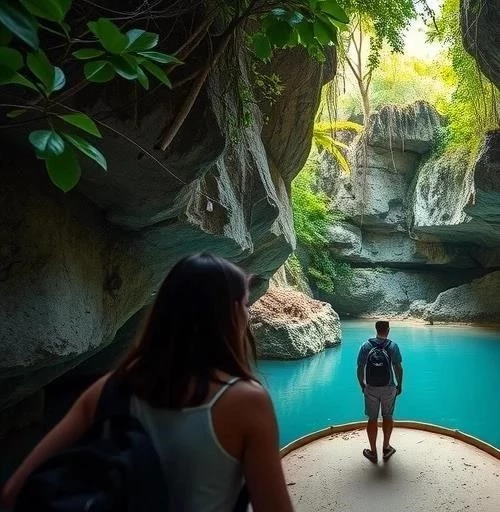
Inland, cenotes and Mexican caves reveal another side of the region. Some are developed swimming sites; others are delicate cave systems where a guide is sensible, even on a vacation without tours. Choose operators who limit group size and avoid sunscreen before swimming where signs request it. Such small decisions make ecotourism more than a slogan: they help protect the water people and wildlife depend on.
Forest, ruins and Maya communities
Punta Laguna combines forest trails, wildlife viewing and community-led experiences. A visit can support local Maya families, but ask before photographing people and follow your host’s instructions. For a broader view of the nature of Mexico, the Sian Ka’an nature reserve is exceptional: wetlands, mangroves and coastal habitats make it far more than a scenic drive. Parts are remote, so check road conditions and access requirements before setting out. Yucatan reserves are living habitats, not theme parks; quiet observation is the right approach.
Maya ruins need not mean only the busiest archaeological sites. Smaller remains and Maya villages offer context, especially when visited with a local guide who can explain the landscape and history. Do not remove objects or climb where access is restricted. A visit becomes more meaningful when paired with local cuisine in a family-run restaurant: regional dishes connect the journey to the people who live here, rather than treating the area as scenery.
Getting around thoughtfully
Driving routes give flexibility for several stops in one day, but avoid night driving, carry water and confirm fuel and road conditions. Bus trips are cheaper and useful between towns, though they may not reach remote cenotes or trailheads; taxis or local transport can fill the gap. Compare time, cost and environmental impact instead of assuming a rental car is always best. For many travelers, a simple route by bus followed by a short community-led visit is both easier and more responsible.
So, what to see near Playa del Carmen? Choose a mix: one coastal stop, one inland natural site and time for a village meal. This balance beats racing through a checklist because it leaves room to understand the region, not just photograph it. Plan lightly, verify access, respect wildlife and leave no rubbish. The reward is a more personal encounter with the Riviera Maya—and a trip that helps preserve the places that make it special.
8 Comments. Оставить новый
I found the wildlife guidance especially useful. Keeping a respectful distance from turtles and choosing licensed reef operators are small choices that can help protect the places visitors come to enjoy.
The distinction between quieter destinations and places that are genuinely safe and accessible is important. Checking local guidance before seeking out a secluded beach is sensible advice.
The reminder that cenotes and caves are fragile environments adds welcome context to the travel suggestions. Following swimming rules and choosing responsible operators should be part of planning, not an afterthought.
This is a helpful perspective on independent trips: flexibility is valuable, but it still comes with a responsibility to respect private land and local communities. I would use the advice as a starting point and verify current access conditions.
The practical environmental tips make this more useful than a simple list of places to visit. A little preparation—checking conditions, following local rules and asking before taking photographs—can make an independent trip better for everyone.
The article makes a convincing case for slowing down rather than treating every stop as a quick photo opportunity. Spending time in a village or community-led reserve can make a trip more meaningful.
I appreciate that this guide pairs independent travel with practical reminders about protecting wildlife and respecting local access rules. Those details make exploring the region more responsible, not less enjoyable.
I like that the guide presents nature reserves as living habitats rather than attractions designed solely for visitors. That framing encourages quieter, more considerate travel.