
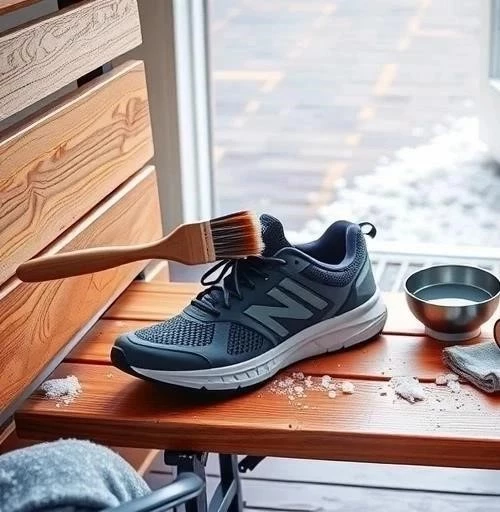
Consistent winter care is worthwhile because attention helps Under Armour sneakers remain comfortable, presentable, and dependable through repeated wear. Neglect allows small problems to accumulate, while a simple routine can preserve their condition and extend their useful life.
Start with the Care Label, Because Different Materials Require Different Cleaning Methods
Begin with the care label, not a guess: Under Armour sneakers may combine materials that respond differently to cleaning. The label is the best starting point because it identifies care limits for the particular pair, helping you avoid a method that could alter its finish, texture, or fit.
Check the shoe itself as well as any attached instructions. Mesh, knit, synthetic overlays, and leather-like panels do not necessarily tolerate the same products or level of friction. A cleaner suited to one surface may leave another dull, stiff, or marked; therefore, treat mixed-material uppers according to the most sensitive component, unless the label directs otherwise.
Follow stated limits on water, detergents, and brushing. If the label recommends gentle cleaning, use a soft cloth or brush and a small amount of mild solution rather than a harsh household product. Aggressive scrubbing is not automatically more effective: it can roughen fibers and affect surface coatings, while careful, controlled cleaning is less likely to cause avoidable wear.
When instructions are missing or unclear, do not assume that a method safe for one Under Armour model suits every pair. Check the brand’s current guidance for the specific shoe, or ask customer support; online advice may concern different materials. Before using a suitable cleaner broadly, test it discreetly on a small, inconspicuous area and inspect the result. This cautious check is useful because color or texture changes may appear only after contact.
Use the label as a decision guide each time you clean, especially if the sneakers have several finishes. Choose products and tools only when they fit the listed materials, and stop if the surface reacts unexpectedly. That approach is more reasoned than relying on a universal recipe: it respects the shoe’s construction, reduces the chance of accidental damage, and helps keep care consistent without treating unlike fabrics as though they were identical.
Remove Mud and Road Salt Promptly, Since Residue Can Damage Uppers and Discolor the Shoes
After a winter walk, check Under Armour sneakers for mud and pale road-salt traces. Deal with deposits promptly: grit can rub against the upper, and salt may leave marks that spoil the shoe’s appearance. Fresh residue is easier to lift, so early attention can prevent a small stain from becoming a stubborn cleaning job.
First let wet mud loosen rather than rubbing it across the fabric; friction can spread the stain and push grit into the surface. Lift loose soil with a soft, dry cloth, then dab remaining marks with a clean damp cloth. Use light strokes and rinse the cloth often, so dirt is not transferred back onto the sneaker.
For salt lines, blot gently and work from the outside toward the center to limit spreading. A little clean water on a cloth is a reasonable first measure; persistent marks call for checking the model’s care guidance before trying a cleaner. Avoid sharp tools, forceful scrubbing, or strong chemicals: they may roughen, scratch, or discolor an upper.
Pay special attention to seams and textured panels, where residue can hide. Repeat careful dabbing only when needed, using a clean part of the cloth. A brief check after each snowy outing is worthwhile: promptly removing fresh contamination takes less effort than tackling dried, crusted deposits later.
Act early; save effort later.
Air-Dry Sneakers at Room Temperature, Because Direct Heat Can Deform Materials and Weaken Adhesives
Once winter use leaves your Under Armour sneakers damp, choose a calm indoor place and let them dry at room temperature. This gradual process is the sensible option: concentrated heat can distort components and the bonds that hold them together. A radiator or heater may seem convenient, but speed is not worth risking fit or construction. Drying patiently also helps preserve the shoes’ intended shape over time.
After taking them off, loosen the laces and open the tongues so room air can circulate through the interior. Remove insoles only if they come out easily; do not tug at attached parts. Place each sneaker on a dry, ventilated surface with space around it, not crowded in a corner. This encourages even drying and makes it easier to notice whether dampness remains, without exposing the shoes to sudden temperature changes.
Do not use a radiator, fireplace, hair dryer, or clothes dryer as a shortcut. Strong or uneven heat can warp foam and other components, and may weaken adhesives that keep the sole and upper joined. Even if the outside feels dry, internal areas may still need time, so check inside and wait until no damp feel remains. Rushing can compromise comfort and durability; allowing a natural dry is a reliable choice when the next outing can wait, as needed.
Use Material-Appropriate Protection and Store Shoes Dry, So They Stay Ready for the Next Winter Outing
Choose a protector made for the sneaker’s actual upper; a product designed for one material may leave another tacky, spotted, or less breathable. Since Under Armour designs can combine surfaces, a light, even application of a very compatible spray is more prudent than coating every shoe with an arbitrary formula. Follow the product directions and test discreetly first.
Protection is preventive, not a guarantee. Select a breathable treatment intended for the materials and conditions you expect, and avoid heavy layers that can change texture or feel. Apply only as directed, in a ventilated area, and allow the treated shoes to become fully ready for use before wearing them; guessing at dosage may do more harm than good.
Before putting shoes away, make sure they are completely dry; storing damp footwear can encourage unpleasant odors and deterioration. Keep them in a cool, dry, ventilated place, away from damp floors, sealed wet gear, and prolonged sunlight. A breathable shoe bag or open shelf is preferable to an airtight container, because trapped moisture has nowhere to escape.
Keep pairs apart, free from weight. This simple routine protects the finish and helps the sneakers stay comfortable and ready for the next winter outing. Sound choices help.