
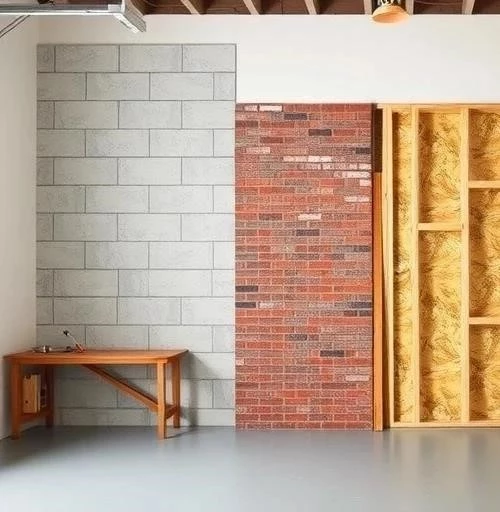
Choosing a finish for a garage is not simply a matter of color. Walls face moisture, dust, temperature changes, accidental impacts and, in some garages, oil or chemical splashes. The right paint for garage walls should match both the wall material and the way the space is used. Paying more for a suitable product can be worthwhile: a durable coating needs fewer repairs and is easier to keep clean.
Match the paint to the conditions
For concrete or masonry, choose a product specifically labelled for those surfaces. Concrete paint should bond to a porous, properly prepared wall; paint for brick walls should allow the masonry to release trapped moisture. If dampness is a concern, a moisture-resistant paint can help, but it cannot fix leaks or rising damp. Find and address the source of water before painting.
Acrylic paint is a practical option for many garages: it is relatively easy to apply, dries quickly and comes in washable formulations. A washable paint is useful where dirt and marks are common. For areas exposed to frequent abrasion, choose a genuinely wear-resistant paint, checking the product specifications rather than relying on a general label.
Epoxy paint can provide a hard, durable finish and better resistance to oils and chemicals, making it suitable for demanding work areas. However, it requires careful surface preparation and application. Alkyd enamel may also offer a tough finish, but drying times, ventilation and compatibility with the wall and primer matter. No coating performs well if applied outside its recommended conditions.
Prepare before painting
Good garage wall finishing begins with sound, clean surfaces. Remove dust, grease, loose paint and crumbling material; repair cracks and allow repairs to dry. This wall preparation before painting is essential for adhesion. Apply a compatible garage primer, especially on bare, porous masonry or patched areas. Skipping primer may save time initially, but often leads to uneven color, peeling or extra coats.
For painting garage walls, follow the label for temperature, drying time and recoating. Apply even coats and ventilate the space. A suitable coating for garage walls should balance cleanability, durability and cost—not merely look attractive on day one. Compare technical data for resistance to oils and chemicals, moisture protection and abrasion, then choose the paint for a garage that fits your actual use. Careful selection and preparation create a long-lasting wall coating.
Search terms
краска для стен гаража; отделка стен гаража; влагостойкая краска; износостойкая краска; краска для бетона; краска для кирпичных стен; акриловая краска; эпоксидная краска; алкидная эмаль; моющаяся краска; защита от влаги; устойчивость к маслам и химикатам; подготовка стен к покраске; грунтовка для гаража; покраска стен гаража; покрытие для гаражных стен; выбор краски для гаража; долговечное покрытие стен.


9 Comments. Оставить новый
The article makes a useful distinction between choosing a coating and solving the underlying condition of the wall. Its reminder that moisture-resistant paint cannot repair a leak helps readers avoid relying on paint for problems it cannot fix.
The guidance is sensible and measured, particularly on dampness: identify the source before painting. This prevents readers from mistaking a surface treatment for a solution to a building issue.
The emphasis on preparation is well placed. Cleaning, repairing and priming may feel like extra work, but explaining how skipped steps can lead to peeling or uneven coverage makes the advice convincing.
This article gives readers a good starting framework: consider the wall material, the demands of the space and the preparation required. Its practical cautions make the recommendations more credible than a simple list of paint types.
The article appropriately balances durability with application considerations. Mentioning ventilation, drying time and compatibility is important because a tough finish is not automatically the easiest or safest option to apply.
This is a clear, practical overview for homeowners planning a garage refresh. I especially value the advice to consult product specifications, since broad labels such as “washable” or “wear-resistant” do not explain every performance detail.
The comparison of acrylic, epoxy and alkyd options is helpful because it connects product choice to how the garage is used. The article also avoids suggesting that any one type of paint is ideal for every space.
I appreciate the practical advice to match paint to the wall material. Concrete and brick have different needs, and checking that a product is intended for the surface seems more reliable than choosing by appearance alone.
A useful point here is that paying more for a suitable coating may reduce later repairs and cleaning effort. That makes the decision about long-term performance, rather than just the initial price.