
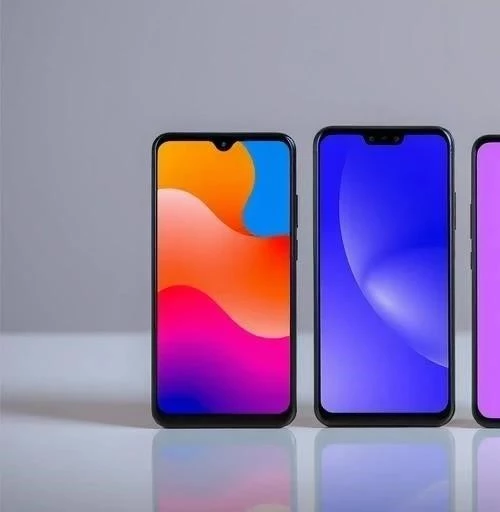
Choosing a Xiaomi released in 2020 depends less on its original price and more on what you need today. These phones can still make sense as affordable used devices, but battery wear, software support and condition matter as much as the model name. In general, the Mi series offers stronger hardware, while Redmi and Poco aim for better value.
Best options by use
- Mi 10: Choose it for a premium experience, a vivid AMOLED display, capable cameras and flagship-class performance. It is the strongest all-rounder here, but an old unit may be expensive to repair, and its battery may have degraded.
- Mi 10T: A good pick if you value speed and a smooth, high-refresh-rate screen more than AMOLED. Its LCD panel is less contrast-rich, but the phone remains appealing for gaming and everyday use when priced well.
- Redmi Note 9 Pro: The sensible budget choice for messaging, browsing, video and ordinary photos. It offers a large screen and dependable everyday performance, but it is not the best option for demanding games or low-light photography.
- Poco X3 NFC: Consider it if gaming and a fast-feeling screen are priorities on a limited budget. Its large body and LCD display are compromises; check that the battery and charging port are in good condition.
- Mi 10 Lite: A balanced mid-range alternative, especially if you find a clean example for less than a Mi 10. It is not as powerful as the flagship, so compare the actual price rather than choosing by name alone.
How to decide
For the best overall performance, start with the Mi 10. For a cheaper daily phone, compare the Redmi Note 9 Pro and Mi 10 Lite. For gaming, look at the Mi 10T or Poco X3 NFC, depending on your budget and preference for display quality. Do not pay a premium simply because a model once belonged to Xiaomi’s flagship line: newer budget phones may have fresher batteries, longer remaining support and better practical value.
Before buying used
Test the screen for burn-in, dead pixels and touch problems; check cameras, speakers, buttons, fingerprint reader, charging and mobile-network reception. Ask about repairs, confirm the exact memory and regional version, and inspect battery life during use. Verify that the phone can receive security updates and that Google services work as expected. Compare local prices, since condition can change the value more than small differences in specifications.
Bottom line: Choose the Mi 10 for premium features, the Mi 10T for performance, or the Redmi Note 9 Pro for affordable everyday use. Buy the best-condition device you can verify—not merely the most powerful model.


3 Comments. Оставить новый
This is a balanced guide because it acknowledges trade-offs instead of presenting one phone as best for everyone. The reminders to inspect used-device condition are practical, and checking the actual asking price against newer alternatives is sound advice.
The advice to judge these phones by their present condition and price, rather than their original status, is especially useful for anyone shopping second-hand. Battery health and repair costs can change the value of an older flagship considerably.
The model comparisons make the choices easy to follow by linking each phone to a particular use, such as gaming or everyday tasks. It would also be helpful to compare how much software support each model has left, since that can affect long-term value.