
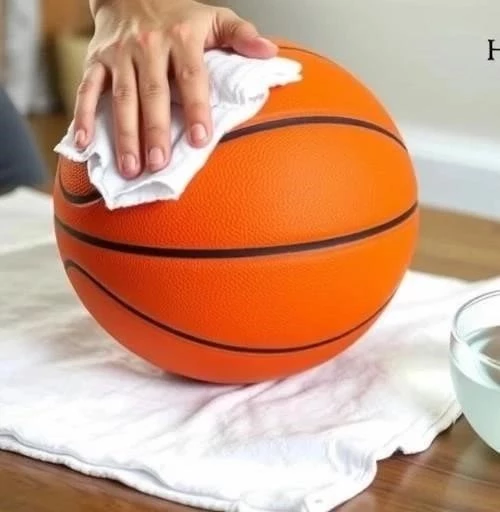
Yes—but clean it gently, and do not treat every basketball as if it were washable in the same way. Most balls can be wiped with a damp cloth and mild soap. A quick surface clean removes dust, sweat, and ordinary grime without soaking the ball or damaging its grip. The safest method depends on the cover material, the manufacturer’s care instructions, and whether the ball is designed for indoor or outdoor use.
Why careful cleaning matters
A basketball’s surface is designed to provide traction. Dirt and oily residue can fill the channels and texture, making the ball slippery and harder to control. Cleaning can restore a more reliable feel and is especially useful when a ball is shared between players. However, aggressive washing can do the opposite: it may wear down the surface, weaken seams or adhesive, and leave the ball too slick.
Water itself is not usually the main problem when used sparingly on the exterior. The risk comes from prolonged soaking, harsh chemicals, heat, and moisture getting into places it should not—particularly through a valve, damaged seam, or worn cover. A basketball is not a garment, so it should not go in a washing machine or dishwasher.
How to clean a basketball safely
- Check the label. Follow any care directions printed on the ball or provided by its maker. If the material is unclear, use the gentlest approach.
- Remove loose dirt. Brush away dry dust with a soft, dry cloth or a soft-bristled brush. This helps prevent grit from rubbing against and abrading the cover.
- Prepare mild soapy water. Mix a small amount of ordinary, mild dish soap into lukewarm water. Avoid hot water, solvents, bleach, and abrasive cleaners.
- Wipe, rather than soak. Dampen a soft cloth, wring it out well, and wipe the ball in small sections. Use light pressure. For grooves, a soft toothbrush can help, but do not scrub forcefully.
- Remove soap residue. Wipe the surface again with a separate cloth lightly dampened with clean water. Too much leftover soap can make the ball slippery.
- Dry it completely. Pat the ball with a towel and let it air-dry at room temperature before playing or storing it. Keep it away from radiators, hair dryers, direct intense sun, and other strong heat sources.
Does the material make a difference?
Rubber balls are generally the most forgiving and are commonly used outdoors. A damp, soapy cloth is usually suitable for routine cleaning. Still, avoid soaking the ball or scrubbing it with a rough pad: abrasive treatment can gradually smooth or damage the textured surface.
Composite-leather balls often have a grippy, textured cover and may be intended for indoor play or for use on particular surfaces. Clean them with a lightly damp cloth and mild soap, then dry them thoroughly. Do not assume that “composite” means waterproof, and do not use oils or leather conditioners unless the manufacturer specifically recommends them.
Genuine-leather balls need extra care. Some are designed to develop their feel through use, and excessive water or vigorous cleaning may affect the leather. Use a dry brush or cloth for ordinary dust; for stubborn marks, follow the maker’s instructions and use only a barely damp cloth if permitted. Never immerse a leather ball in water.
What not to do
- Do not put the ball in a washing machine, dishwasher, bathtub, or bucket of water.
- Do not use bleach, disinfectant sprays, alcohol, solvents, scouring powder, or rough scrubbers unless the manufacturer explicitly approves them.
- Do not leave the ball wet in a closed bag, car, or locker. Trapped moisture can encourage odors and may damage the cover over time.
- Do not try to dry it on a heater or with a hair dryer. Excessive heat can affect the material, seams, and internal construction.
- Do not confuse cleaning with disinfecting. A wipe with soap and water removes grime, but it does not guarantee that every germ has been eliminated.
Cleaning a shared ball
For a ball used by several players, wipe it after practice or whenever it looks or feels dirty, rather than repeatedly giving it a deep clean. If you need to use a disinfectant for a specific hygiene reason, check that the product is safe for the ball’s cover and follow its label. Test it on a small, inconspicuous area first, and do not saturate the surface. Players should also wash their hands; a cleaned ball can become dirty again quickly during play.
When is cleaning not enough?
If the cover is peeling, the seams are opening, or the ball has become permanently smooth, washing will not restore its grip. Likewise, a ball that has absorbed water should be dried slowly and fully before use. Check its pressure after it is dry: cleaning does not normally require deflating it, but changes in temperature and normal use can affect inflation. Inflate only to the pressure range printed on the ball, using a properly moistened needle to protect the valve.
The bottom line
You can wash the outside of most basketballs, but “wash” should mean a careful wipe—not a soak. Mild soap, a well-wrung cloth, a light touch, and complete air-drying are the sensible defaults. Be more cautious with genuine leather and always defer to the manufacturer’s instructions. This approach removes ordinary dirt while preserving the texture and grip that make the ball playable.

4 Comments. Оставить новый
I appreciate that the article distinguishes between removing ordinary dirt and using harsh cleaning methods. Checking the manufacturer’s instructions first is a sensible precaution, especially when the ball’s cover material is unclear.
This is a useful, measured guide because it warns against washing machines, abrasive cleaners, and prolonged soaking rather than suggesting that every ball can be cleaned identically. The material-specific caution makes the recommendations more responsible.
The step-by-step approach makes the cleaning process easy to follow, and the reminder to use a well-wrung cloth helps limit excess moisture. The explanation of how residue can affect traction also clarifies why cleaning matters.
The advice to wipe the ball rather than soak it is practical and well explained. It recognizes that careful cleaning can improve grip while avoiding unnecessary wear to the cover and seams.