
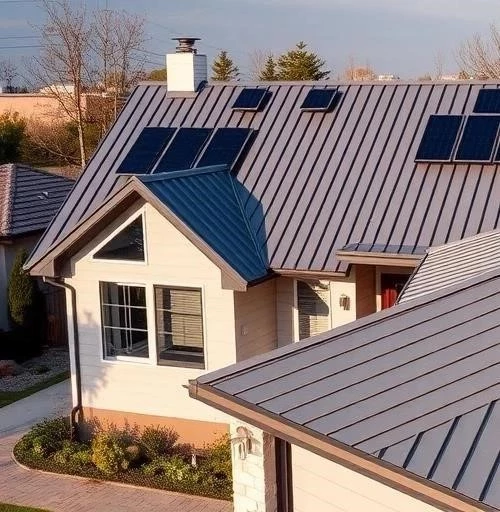
Metal roofing in 2026 is shaped by a practical balance: attractive design matters, but compliance, weather resistance and long-term value matter more. Modern roofing trends include cleaner profiles, subdued colors, durable matte finishes and improved coatings. Yet a fashionable roof is not necessarily a suitable one. The right choice must match the building, local climate and applicable building codes and regulations.
Standards are the starting point
Before comparing products, establish which requirements apply to the project. Regulations differ by country and may be updated, so the current technical regulation, relevant GOST standard for metal roofing, roofing SNiP provisions and other building codes should be checked with the designer or local authority. These documents may address product characteristics, structural design, fire safety and installation. A reference to a standard on a sales page is not proof of compliance: request current certificates, declarations and test information. Standards of quality should be verified for the complete roofing system, not just the visible sheet.
Choose the sheet and coating for the site
Requirements for roofing materials include strength, reliable corrosion protection and resistance to the conditions expected on site. Compare the stated steel sheet thickness, zinc coating and protective polymer coating; the base metal and coating system together influence anti-corrosion protection and roof durability. Do not judge a product by thickness alone: ask for technical documentation and check whether the stated figure refers to steel or includes coatings. Galvanized steel with an appropriate finish can perform well, but poor storage, cutting or installation can damage its protection.
Also consider the fire safety class and UV resistance specified for the product and roof assembly. Color options affect the building’s appearance, while a matte finish can create a softer look and may disguise minor surface reflections. Neither color nor finish replaces verified performance data. The service life of metal roofing depends on climate, material quality, detailing, maintenance and workmanship; a long warranty is useful only when its terms, exclusions and maintenance requirements are clear.
Design for wind, snow and water
Roof design must account for local snow load and wind load, roof shape, pitch and the building’s exposure. These forces affect the supporting structure, fasteners, overlaps and edge details. Metal tile profiles differ in shape, height and visual rhythm, but profile choice should be coordinated with engineering requirements and the roof geometry. A designer should confirm that the selected product and fixing pattern suit the project rather than relying on a generic recommendation.
Reliable roof waterproofing depends on more than the metal sheets. Underlayment, flashings, valleys, eaves and penetrations must be detailed as a continuous system. A correctly sized gutter system carries water away from the facade and foundation. Under-roof ventilation helps manage moisture and heat, provided that air can enter and exit through properly designed openings. For an energy-efficient roof, coordinate ventilation with pitched-roof insulation and vapor-control layers; blocking airflow or leaving insulation gaps can undermine performance.
Installation determines real-world performance
Metal roofing installation should follow the manufacturer’s instructions and the approved project documents. Laying technology includes accurate setting-out, suitable fasteners, correct overlaps and careful treatment of cut edges. Walking on sheets incorrectly, using unsuitable tools or leaving metal swarf behind may damage the coating and encourage corrosion. Roof sound insulation also deserves attention: rain noise is influenced by the whole assembly, including insulation, cavity design and ceiling construction, not simply by the choice of sheet.
Quality control of construction works should take place throughout installation, not only at handover. Check the substrate, membrane continuity, fastener placement, joints, ventilation paths and drainage details before they become concealed. Keep product records and photographs. This evidence can help resolve warranty questions and makes future roof repair more straightforward.
How to make a sound choice
Choosing metal roofing begins with the site, not a color chart. Ask suppliers for technical data, compliance documents, coating specifications, installation guidance and written warranty conditions. Then compare complete system costs, including accessories, underlayment, insulation, ventilation and drainage. A roofing materials calculation should account for roof geometry, overlaps, cuts and spare sheets; an overly rough estimate can cause waste or delays.
Eco-friendly roofing materials are another growing priority. Consider product durability, repairability, recycled content and whether the material can be recycled at the end of its service life. These factors, alongside energy performance and responsible installation, offer a more useful measure of sustainability than a marketing label alone.
The strongest trend for 2026 is not a particular profile or shade, but informed specification. When current regulations, tested materials, sound detailing and skilled installation work together, metal roofing can deliver dependable performance and attractive design. Treat compliance as the baseline, inspect the complete system and plan maintenance from the outset: that is the practical route to a durable, efficient roof.
6 Comments. Оставить новый
The article makes a useful point that a roof should be selected for its site and compliance requirements, not simply for its appearance. Checking current documentation and the complete roofing system is especially important because the sheet alone does not determine long-term performance.
The discussion of coatings and installation highlights an important point: even a suitable material can lose its protective qualities if it is damaged or handled poorly. Including storage and installation in the durability assessment makes the guidance more complete.
The emphasis on local codes is well placed. Roofing rules can vary by location and change over time, so confirming current requirements with a designer or authority is more dependable than assuming a general standard applies everywhere.
I appreciate the practical distinction between stated sheet thickness and the thickness of the steel itself. Asking suppliers to clarify specifications can help buyers compare products accurately and avoid relying on marketing claims.
It is helpful that the article treats appearance as one factor among several rather than the main criterion. Color and finish affect the visual result, but climate, corrosion resistance, fire safety and UV exposure should also guide the decision.
The advice to request certificates and test information is sensible, particularly when evaluating claims about quality. A further useful step for readers would be to compare warranties and confirm that the proposed installation method is compatible with the product specifications.