
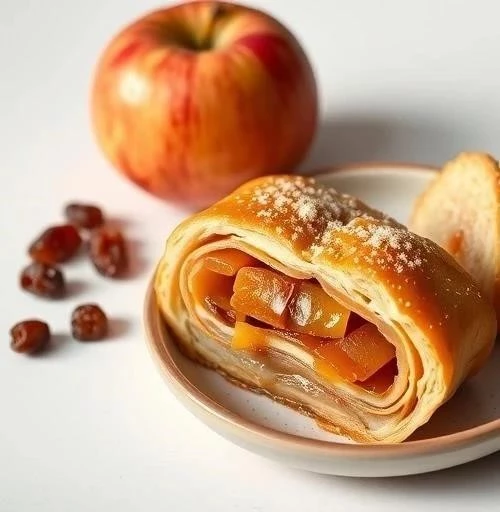
Strudel is a pastry with a talent for disguise․ Its delicate layers may look almost weightless, while inside waits a filling that can be tart, buttery, sweet, or savory․ So how many calories are hiding in a slice? The honest answer is: it depends on the recipe, the filling, and how generously the baker treats the butter․
A useful calorie range
For apple strudel, figures commonly fall between about 185 and 275 kcal per 100 g․ Some recipes or packaged products are considerably richer: listings range from roughly 300 to 380 kcal per 100 g, especially when pastry, sugar, raisins, nuts, or added fat are plentiful․ Lighter homemade versions may come in near 110–160 kcal per 100 g․ These numbers are not necessarily contradictory—they describe different strudels;
A frequently quoted reference for apple strudel is 274 kcal per 100 g, with approximately 3․3 g protein, 11․2 g fat, and 41․1 g carbohydrates․ Another recipe estimate gives 184․8 kcal, 2․2 g protein, 7 g fat, and a different amount of carbohydrate․ The recipe, serving size, and method of calculation all matter․
| Example | Energy per 100 g | Why it may differ |
|---|---|---|
| Lean homemade apple version | About 110–185 kcal | Thin dough, less fat, modest sugar |
| Traditional or richer apple strudel | About 185–275 kcal | More pastry fat, sugar, or filling |
| Rich or packaged pastry | About 300–380 kcal | Dense dough, glaze, nuts, or generous butter |
| Cherry strudel | Often around 188–265 kcal | Sweetness and pastry recipe vary |
What makes up the numbers?
Carbohydrates usually lead the parade․ Flour and sugar supply most of them, while fruit contributes natural sugars and a little fiber․ In the 274-kcal example, carbohydrates account for about 41 g per 100 g․ The exact total changes with the amount of sweetener and the ratio of filling to crust․
Fat is the quiet architect of flakiness․ Butter, oil, or margarine separates dough layers and gives strudel its tender, crisp bite․ The example above contains about 11 g of fat per 100 g․ A bakery version brushed generously between layers can carry more; a lighter dough may contain less․
Protein is generally modest—often around 2–4 g per 100 g in fruit versions—mostly from wheat flour․ Nuts can raise it slightly․ The fruit also contributes small amounts of potassium and other micronutrients, but strudel is best thought of as a dessert with fruit, not as a major source of vitamins or minerals․
The filling changes the story
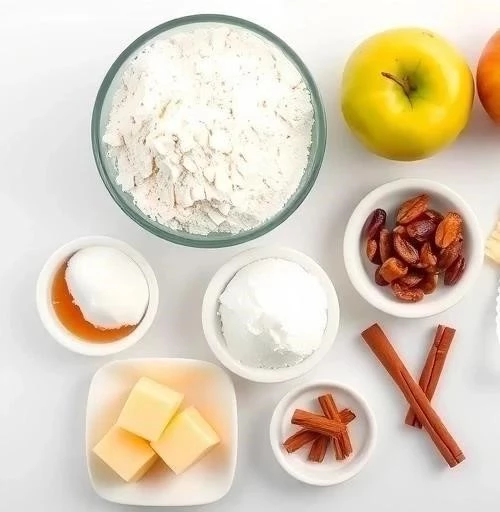
Apple strudel often combines sliced apples with sugar, cinnamon, raisins, breadcrumbs, and sometimes walnuts․ Apples bring moisture and tang; breadcrumbs help absorb the juices so the pastry does not turn soggy․ Raisins and nuts make the flavor deeper, but also increase the energy content․ A potato strudel can be less sweet and may have a very different profile; meat-filled versions bring more protein and their own share of fat․ “Strudel” names a style of pastry, not one fixed nutritional formula․
How much is a serving?
Calories per 100 g are a measuring stick, not a prediction of what is on your plate․ A 120 g slice of a 274-kcal strudel contains about 329 kcal․ A smaller 80 g piece contains about 219 kcal․ To estimate your own portion, multiply the label’s calories per 100 g by the slice’s weight, then divide by 100․ A dusting of sugar, whipped cream, or ice cream adds extra energy that the pastry label does not include․
Make the slice work for you
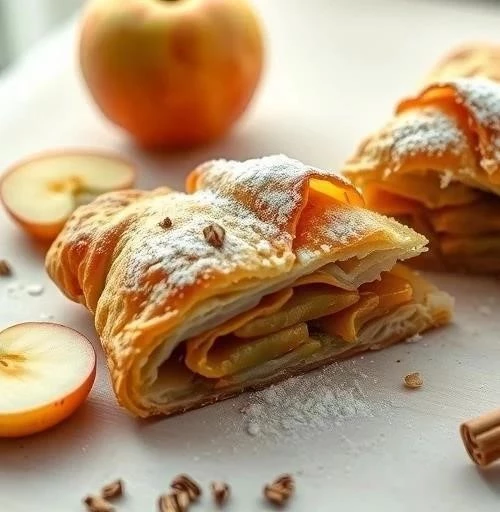
- Choose a recipe with plenty of fruit and a thin wrapper; compare recipes by the finished weight, not just the ingredient list․
- Use sugar thoughtfully․ Sweet apples, raisins, and cinnamon can provide plenty of flavor without an especially sugary filling․
- Measure butter or oil rather than pouring by instinct․ A little can help crisp the layers; repeated generous brushing changes the calorie count quickly․
- Serve a satisfying slice with plain yogurt or tea instead of automatically adding a rich topping․
None of these choices turns strudel into a moral test․ It is a pastry, and its pleasure is part of the recipe too․ The practical trick is to notice whether you are looking at a light, fruit-forward homemade roll or a dense, buttery bakery slice․ For a quick estimate, use around 200–275 kcal per 100 g for many apple versions, then check the specific recipe or package when precision matters․
The short version
Strudel’s calories come chiefly from flour, pastry fat, and sweetened filling․ Apple varieties can differ widely, while cherries, nuts, meat, or potatoes alter the balance in their own ways․ Treat any single number as a snapshot—not a universal rule—and let the ingredients tell the rest of the story․

6 Comments. Оставить новый
Strudel has always seemed like edible architecture to me, so calling fat its architect feels spot-on. The article balances practical figures with a lovely sense of appetite.
The line about butter being the “quiet architect of flakiness” deserves a place in a pastry lover’s notebook. Clear, useful, and still full of sensory charm.
This turns nutrition numbers into a little detective story: follow the butter, sugar, and filling, and the answer starts to emerge. The ranges are especially useful.
A helpful reminder that two slices with the same name can live in completely different calorie universes. I’ll be checking the recipe before judging the pastry.
I appreciate that the numbers don’t pretend every baker follows one blueprint. This makes choosing a lighter slice feel informed, not joyless.
I love how this treats calories as a recipe’s fingerprint rather than a fixed verdict. The comparison table makes the mystery of strudel feel deliciously solvable.