
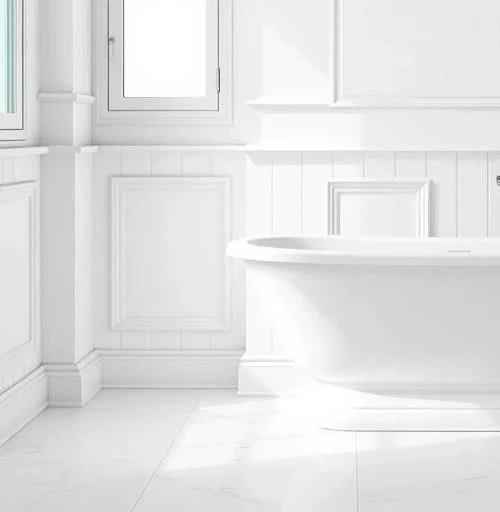
In a classic bathroom, even the smallest line can change the whole composition․ A plastic bathroom skirting board may seem like a modest finishing detail, yet it can frame the floor, protect a vulnerable joint and quietly connect the room’s colors․ Think of it as the final stroke in a portrait: subtle, but capable of bringing everything into focus․
Choose a profile that belongs
Classic style does not require every surface to be ornate․ Begin with the room’s architecture: paneled cabinetry, graceful sanitaryware, ceramic tile or marble-effect finishes․ A slim white skirting board echoes a painted door frame, while a slightly taller profile looks more formal beneath high ceilings․ The combination of skirting and interior feels harmonious when the profile repeats a shape or finish already present in the room․
For a calm palette, pair pale stone, cream and soft gray with white trim․ If the bathroom features brass or gold-tone fittings, let them remain the jewelry of the space; a clean PVC skirting board keeps the overall effect elegant rather than busy․ A decorative molding can link the wall treatment to a ceiling cornice, while a matching floor skirting board gives the room a neat visual boundary․
Where protection matters most
The joint between the bathtub and the wall deserves special attention․ A dedicated bath edge trim, sometimes called a bath border, covers the seam and helps keep splashes from entering the gap․ Choose a moisture-resistant skirting product designed for bathroom use, not an ordinary trim intended for dry rooms․ Its shape should fit the joint without forcing or leaving open corners․
Good seam sealing begins with a clean, dry surface․ Remove old residue, follow the maker’s instructions and use a compatible sealant․ The trim is not a substitute for proper waterproofing: it is the visible finishing layer over a carefully prepared connection․ Thoughtful joint detailing makes the finish look intentional and helps protect the wall and floor over time․
Installation with a steady hand
Measure each wall separately; classic rooms often hide small differences behind seemingly straight corners․ Cut carefully, test-fit the pieces, and use adhesive or fixing clips suitable for the chosen PVC profile․ Seal exposed ends and corners neatly․ During installation, avoid stretching flexible trim, since tension can cause it to pull away later․ A patient, precise fitting is more convincing than an elaborate profile installed in a hurry․
Keep the finish graceful
Care is simple: wipe the skirting with a soft cloth and mild detergent, then dry it․ Avoid abrasive pads and harsh solvents that may dull the surface․ With regular cleaning, the trim stays bright and the bathroom’s carefully balanced palette remains clear․
Ultimately, classic bathroom design is built from relationships: tile to stone, metal to color, wall to floor․ When the skirting repeats the room’s lines, protects its joints and suits its materials, it does more than hide an edge․ It gives the entire bathroom a composed, finished character․
5 Comments. Оставить новый
I like how this gives an unassuming strip of plastic its own design story. The comparison to a final stroke in a portrait makes the practical detail feel surprisingly memorable.
A useful reminder that a neat-looking trim cannot replace proper waterproofing. I appreciate the article’s attention to what happens beneath the polished finish, not just what catches the eye.
The advice to let brass fittings be the “jewelry” of the room is a lovely touch. It makes the styling guidance feel less like a checklist and more like a thoughtful eye for balance.
The article finds an appealing balance between elegance and practicality. Its focus on clean, dry surfaces and compatible materials gives the decorative ideas a solid foundation.
This makes bathroom trim sound like a quiet architectural frame rather than an afterthought. The suggestion to echo shapes already in the room is simple, imaginative, and easy to apply.