
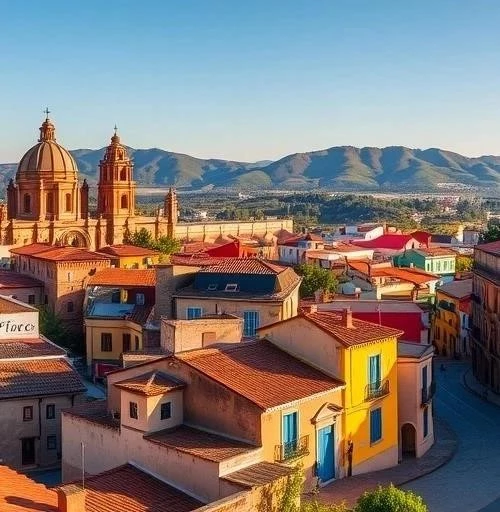
Guanajuato is an inland colonial city, not a beach destination—and that is precisely why it makes such a rewarding starting point. Its colorful lanes, tunnels, plazas, and historic mines offer a vivid contrast to Mexico’s coasts, lively markets, and wild scenery. With thoughtful planning, you can combine the country’s cultural heartland with a few days by the sea without turning the trip into a race between bus stations.
Begin in the colonial heartland
Spend two or three nights in Guanajuato. Explore the historic center on foot, visit the Alhóndiga de Granaditas, and take in the view from the monument to El Pípila. The city’s covered markets and small food stalls are ideal for sampling local specialties, including enchiladas mineras. In the evening, listen for estudiantina musicians and enjoy the atmosphere around the main plazas.
Next, continue to San Miguel de Allende, known for its striking parish church, galleries, and artisan shops. Allow at least a day to wander its streets and visit Fábrica La Aurora, a former textile mill now filled with art and design studios. If markets are a priority, look for local crafts and produce, and ask residents which neighborhood tianguis (open-air market) is operating during your stay. From San Miguel, you can return to Guanajuato or travel onward by bus toward Morelia.
Morelia adds another UNESCO-listed historic center to the journey. Its pink-stone cathedral, arcades, and plazas make a natural stop between the Bajío region and western Mexico. Visit Mercado de Dulces y Artesanías for regional sweets and handmade goods, while a traditional food market offers a more everyday glimpse of local life. Three to five days for Guanajuato, San Miguel, and Morelia is a comfortable cultural core; add time if you prefer slow mornings, museums, or day trips.
Choose a coast that fits your route
For a Pacific extension, consider Zihuatanejo and nearby Ixtapa. They offer beaches, seafood, and a relaxed change of pace after the colonial cities. From Morelia, travel by a combination of bus and ground transport, checking current schedules and journey times before booking. Another option is to route through Mexico City or Guadalajara and continue by air or long-distance bus to a coastal destination. Flights can save a full day, while buses are useful when connections are direct and you have flexible time.
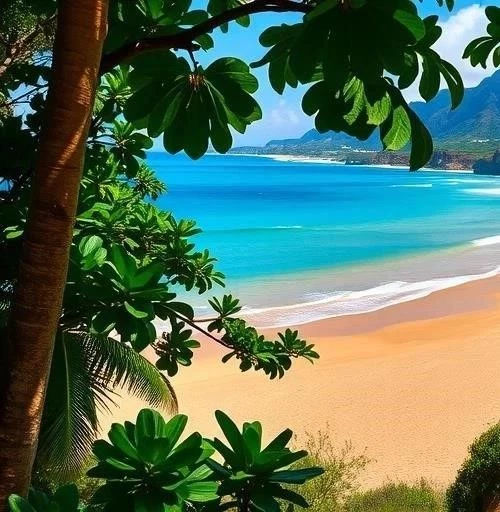
If turquoise Caribbean water and archaeological sites are the priority, fly from the central region to Cancún and continue to Tulum or another Riviera Maya base. Tulum’s Maya ruins overlook the sea, while the wider region is known for cenotes—freshwater pools formed in limestone—and forested nature areas. This is a separate leg rather than a quick side trip from Guanajuato: allow several days and compare flight costs, luggage rules, and airport transfers before committing.
Travelers drawn to dramatic landscapes might instead add Los Cabos, where desert mountains meet the sea, or choose Oaxaca’s Pacific coast for beaches and a strong food and craft tradition. These are different directions on the map, so it is usually best to select one coast rather than trying to fit several into a short holiday. Remember that some beaches have powerful currents; follow local advice and posted swimming guidance.
Build markets and nature into the itinerary
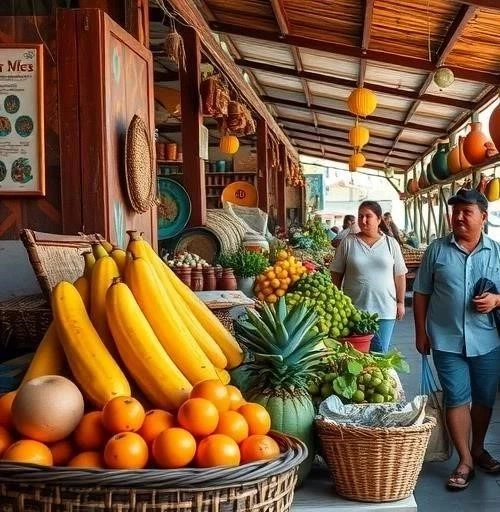
Markets are more than shopping stops. Go early for fresh fruit, tortillas, regional cheese, and breakfast; return later for woven goods, pottery, or souvenirs. Carry small cash, ask before photographing people or their stalls, and compare prices respectfully. Buying directly from makers and choosing locally produced items helps keep more of your spending in the community.
Balance city days with outdoor time. Near Guanajuato, look for guided walks, viewpoints, and countryside excursions, checking access and weather conditions locally. Around Morelia, the monarch butterfly reserves are a seasonal natural highlight: migration and viewing periods vary, so confirm the season and use authorized guides. On the coast, choose a boat trip, snorkeling outing, coastal trail, or a quiet beach day rather than packing every activity into one schedule. In the Yucatán, visit cenotes with responsible operators and follow rules that protect the water and surrounding habitat.
A practical route and travel rhythm
- Days 1–3: Guanajuato, with time for its historic center, market food, and viewpoints.
- Days 4–5: San Miguel de Allende, including its parish, galleries, and artisan finds.
- Days 6–7: Morelia, its UNESCO-listed center, food market, and regional sweets.
- Days 8–11: Choose one coast or natural region, allowing a full travel day where needed.
Use reputable intercity buses for many central routes, and check departure terminals because they may be outside the historic center. For distant beaches, compare flights with the total time and cost of ground connections. Book popular journeys ahead during holidays, keep valuables secure, and avoid arriving in unfamiliar places late at night when possible. Conditions, services, and opening hours change, so verify details shortly before departure.
The best version of this trip is not a checklist of far-apart places. It is a sequence of contrasts: Guanajuato’s tunnels and plazas, San Miguel’s studios, Morelia’s markets, then a carefully chosen coast or nature reserve. Give each stop room to breathe, eat where local families eat, and let the journey connect Mexico’s heritage, everyday life, and landscapes.
5 Comments. Оставить новый
The suggestions for markets and local food add a welcome everyday perspective to the historic sights. This would be a useful starting point for planning a culturally rich trip through central Mexico.
This itinerary makes it easy to see how Guanajuato and the surrounding colonial cities can pair with a coastal break. I especially appreciate the practical advice to allow enough time rather than rushing between stops.
The city-by-city overview is clear and practical, especially the suggested time for the cultural stops. It gives readers a helpful framework without making the trip feel overly scheduled.
A thoughtful guide to combining inland Mexico with the coast. The local details, from estudiantina music to regional sweets, make the proposed journey feel vivid and inviting.
I like how the article balances well-known highlights with room to explore at a slower pace. The route sounds appealing for travelers who want history, art, and a few relaxing days by the sea.