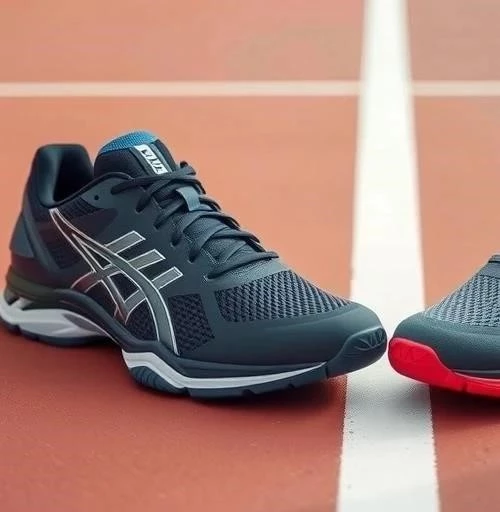
Under Armour tennis shoes merit a model-by-model review: professionals should judge purpose and evidence‚ because a polished design alone cannot prove match-ready performance.
Assess grip on court and a durable outsole by tennis court surface: clay court tennis and hard court tennis place different demands on traction and shoe durability.
Under Armour tennis shoes should be judged by how securely their outsoles grip the actual court‚ not by claims made in isolation. On clay‚ a tread pattern that releases loose grit while preserving controlled traction helps professionals slide deliberately and recover without feeling trapped. If the lugs clog‚ grip can become inconsistent; if they bite too aggressively‚ transitions may feel abrupt. A clay-ready outsole therefore needs a balanced pattern and rubber that resists abrasion from repeated lateral drags. Hard courts demand a different compromise: the abrasive surface wears rubber quickly‚ so a durable compound and broad contact zones can extend useful traction‚ while dependable grip supports quick starts and stops. Too-soft rubber may wear prematurely; an overly hard‚ shallow tread may lose purchase. Compare outsole with the player’s primary court‚ then test grip after repeated sessions.
Compare upper materials‚ upper ventilation‚ cushioning technology‚ and cushioning during jumps; these features support comfort during a match without making lightweight athletic shoes feel unstable.
Engineered mesh can lower weight and improve airflow‚ while reinforced overlays add structure and resist wear. Neither option is always superior: choose materials that stay comfortable through long rallies and repeated match play. Open-knit zones may aid ventilation‚ but the upper should still feel composed when heat‚ sweat‚ and a full match test its fabric. Compare cushioning technology by its response‚ not its label: a well-tuned midsole absorbs landing impact yet returns energy without feeling overly soft. During jumps‚ cushioning should soften repeated landings and remain predictable‚ helping preserve comfort through extended points rather than causing a heavy‚ sluggish feel. Because lighter sports shoes can feel less substantial‚ assess the complete build in motion: balanced cushioning and a supportive upper should feel steady‚ not flimsy. Test in drills‚ compare how the shoe feels.
Evaluate lateral foot support‚ stability during sudden movements‚ and ankle lockdown‚ since professional tennis shoes must help players move confidently through fast changes of direction.
For professionals‚ lateral foot support is not a luxury: each abrupt cut transfers force across the shoe‚ and an unrestrained foot can shift inside it. Compare Under Armour models by testing controlled side-steps‚ split steps‚ and recovery moves at match pace. A firm sidewall and a secure midfoot hold can also limit unwanted roll‚ helping the player stay balanced when direction changes suddenly. Stability should feel supportive‚ not rigid; excessive stiffness may restrict natural movement‚ while a loose platform can undermine confidence. Check ankle lockdown through lace tension and heel hold: the heel should remain seated without pressure or rubbing. Since fit varies by foot shape‚ assess these features in realistic drills‚ not by squeezing the shoe in hand. The stronger choice is the model that keeps the foot centered through repeated cuts and lets the player commit to each movement without distraction.
Review men’s tennis shoes and women’s tennis shoes for size and fit‚ price‚ and tennis player reviews; this comparison of models makes choosing tennis shoes more evidence-based than relying on appearance alone.
Compare men’s and women’s Under Armour tennis shoes by actual fit‚ not by assuming that a size label guarantees the same feel across models. Check length‚ toe room‚ heel hold‚ and width at the end of a practice session‚ when feet may feel slightly fuller; a secure‚ pressure-free fit is stronger evidence than quick try-on. Read the size chart‚ then consider player reviews from people with similar foot shapes and usual sizing. Treat reviews as useful patterns‚ not proof: repeated comments about narrowness or inconsistent sizing deserve attention‚ while one isolated opinion may reflect personal preference. Compare prices against verified availability‚ return terms‚ and the model’s intended use‚ so a discount does not outweigh poor fit. For professionals‚ test finalists in a full session before committing. This model comparison makes choosing tennis shoes more evidence-based than selecting by appearance.