
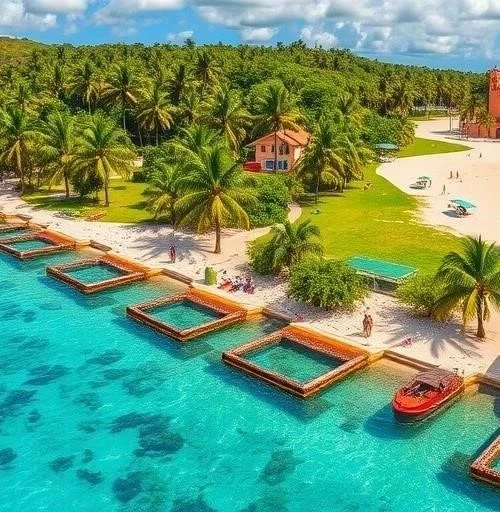
Arrecifes de Cozumel‚ the protected reef system off the island’s western shore‚ is often presented as a postcard destination: clear water‚ bright sand and easy access to snorkeling․ That picture is accurate‚ but incomplete․ A more rewarding visit treats the reef not as a resort amenity but as the centre of a living landscape—one that includes quiet beaches‚ conservation areas and a working town․ This broader perspective also helps with planning: Agua Azul‚ the famous waterfalls in Chiapas‚ may be a worthwhile alternative for a longer Mexico itinerary‚ but it is not a realistic day trip from Cozumel․
Start with the reef‚ not the checklist
The marine park is celebrated for coral‚ fish and underwater visibility‚ yet its appeal depends on restraint as much as scenery․ Choose a licensed operator‚ follow instructions about currents and entry points‚ and never touch or stand on coral․ Sunscreen and careless fin kicks can also damage a fragile environment․ These are not fussy rules that distract from a holiday; they are the price of keeping the reef worth visiting․ If conditions are rough‚ a shore-based day is a sensible choice rather than a failed version of the same excursion․
Palancar and Colombia are among the best-known reef areas‚ but their popularity means that timing and operator choice matter․ Ask how many people will be in the group‚ whether the outing is suitable for your swimming ability‚ and what happens if weather changes․ Beginners may prefer a guided snorkel in calmer‚ shallower water instead of trying to imitate experienced divers․ The less obvious recommendation is to leave space in the schedule: an unhurried swim‚ a coastal walk or a meal in town can make the island feel more memorable than another rushed stop․
Beaches and parks beyond the boat
For a break from excursions‚ Cozumel’s beaches offer different moods rather than one universal “best” beach․ The west coast is generally more sheltered and convenient for swimming‚ while exposed shores can be rough and are better approached with caution․ Check local conditions before entering the sea‚ especially where there are no lifeguards․ Beach clubs can be comfortable‚ but they are not the only way to enjoy the coast: compare access‚ fees and transport‚ and make sure a quiet stretch is not private land or an unsafe swimming spot;
Chankanaab is a practical choice for combining gardens‚ shore access and marine activities in a managed setting․ Punta Sur Ecological Park offers a contrasting experience: lagoons‚ coastal views and a sense of the island’s scale․ Its value lies partly in what it does not resemble․ Instead of another strip of shops‚ visitors find a protected landscape where birds and other wildlife are part of the attraction․ Bring water‚ allow enough time‚ and avoid disturbing animals for photographs․ These parks show that Cozumel is more than a launch point for boats․
San Miguel and the wider neighbourhood
San Miguel de Cozumel deserves more than a quick stop for souvenirs․ Walk away from the busiest waterfront blocks and you can find everyday cafés‚ markets and neighbourhood streets that reveal the island as a place where people live and work․ Try local food‚ buy thoughtfully from small businesses‚ and remember that the town is not a theme park built solely for visitors․ This is a useful counterweight to the all-inclusive version of Mexico: tourism is important‚ but it does not tell the whole story․
Playa del Carmen lies across the channel on the mainland and is a natural extension for travellers with extra time․ It offers a larger urban scene and access to other Riviera Maya destinations‚ but the ferry crossing‚ transfers and queues take time; Tulum is farther still; it should be treated as a separate excursion‚ not casually added between a morning reef trip and dinner․ The argument for staying local is simple: fewer transfers mean more time to experience Cozumel‚ and less pressure to turn every day into a race․
Agua Azul as a backup day: a useful distinction
Agua Azul’s cascades are in Chiapas‚ on the mainland in southern Mexico‚ far from Cozumel and the Caribbean islands․ They are not a practical backup outing for a cancelled reef tour‚ nor a day trip from San Miguel․ Reaching them involves substantial overland travel from regional hubs‚ and road conditions‚ weather and access can affect the journey․ A plan that ignores geography risks wasting holiday time and may encourage unsafe rushing․
Instead‚ think of Agua Azul as a contingency day in a broader itinerary that already includes Chiapas․ If rain or sea conditions disrupt a Cozumel excursion‚ choose a nearby alternative: explore San Miguel‚ visit a park‚ arrange a land-based island tour or simply move the boat trip to another day․ If the waterfalls are a priority‚ give them their own travel window‚ check current local guidance‚ and confirm transport before setting out․ That distinction makes the plan more resilient rather than less adventurous․
A more thoughtful itinerary
Pair one reef outing with one day on land‚ then keep a flexible day for weather․ That rhythm supports safer marine tourism and allows time for beaches‚ parks and town life without overloading the schedule․ Cozumel is not merely a turquoise prelude to mainland Mexico: it has its own communities and ecosystems․ Agua Azul belongs in the same national journey only when distances are respected․ Seeing Mexico well means choosing fewer places with care‚ not pretending that every landmark is just around the corner․
4 Comments. Оставить новый
The reminder that different beaches suit different preferences is a helpful alternative to searching for one definitive “best” beach. The article’s broader emphasis on slowing down also makes a convincing case for balancing boat trips with time on shore.
The comparison with Agua Azul is especially useful because it corrects a potentially impractical itinerary assumption without dismissing the destination. More generally, the piece connects travel planning with environmental care in a clear and accessible way.
The article makes a useful case for treating Cozumel’s reef as a living ecosystem rather than just an attraction. Its practical advice about licensed operators, group size, and respecting coral gives readers concrete ways to make responsible choices.
I appreciate the distinction between a disappointing excursion and a sensible change of plans when the sea is rough. That advice puts safety and the quality of the experience ahead of sticking rigidly to an itinerary.