
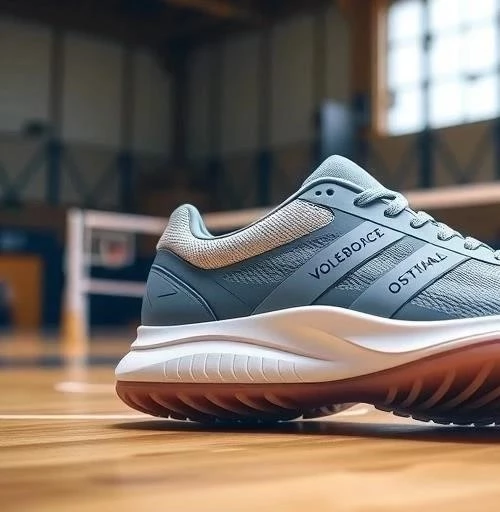
Volleyball asks a lot of the feet and legs․ Players jump repeatedly, land in crowded spaces, change direction in a fraction of a second, and often stay on court for long sessions․ Cushioning in a volleyball shoe is designed to soften impact during these movements, but it has another important job: it must work with the shoe’s grip, stability, and responsiveness․ The most useful cushioning is not simply the softest․ It is the kind that helps a player move confidently while managing the repeated forces of the game․
Modern court shoes combine foam compounds, shaped midsoles, internal support structures, and rubber outsoles to balance comfort with control․ Understanding how these parts work can help players choose shoes that suit their position, body, playing style, and the surface beneath them․
Why cushioning matters in volleyball
When a player lands after a block or spike, the feet meet the floor first and help absorb the force․ The ankles, knees, and hips then contribute to slowing the body․ A shoe cannot prevent injury or replace sound landing technique, but an appropriate midsole can compress under load and reduce the sharpness of impact․ This may make repeated jumping feel more comfortable, particularly during long practices․
Cushioning also influences how a shoe feels during quick transitions․ A landing cushion that compresses too slowly or excessively can make the foot feel unstable, while a very firm platform may feel harsh to a player who prefers a softer ride․ Volleyball requires both shock management and rapid movement, so shoe designers usually aim for a controlled, relatively low-to-the-ground feel rather than the deep, springy sensation sometimes found in distance-running shoes․
The demands differ across the court․ Middle blockers and opposite hitters may value impact protection because of frequent jumps․ Outside hitters need a versatile combination of landing comfort and lateral control․ Setters and defensive specialists often prioritize lightness, court feel, and quick changes of direction, though they still benefit from comfortable impact absorption․ These are tendencies, not strict rules: individual preference and fit matter more than position labels․
The main cushioning components
Midsole foam
The midsole is the primary cushioning layer, usually positioned between the footbed and outsole․ Many volleyball shoes use ethylene-vinyl acetate (EVA) or related foam blends․ EVA can be molded into different shapes and densities, making it possible to provide a softer heel, a firmer forefoot, or supportive zones along the sides․ Its feel varies substantially with formulation: two midsoles described as EVA may respond quite differently․
Some designs use polyurethane-based foams or other proprietary compounds intended to retain their shape, provide a particular level of resilience, or reduce weight․ Expanded thermoplastic materials, including certain TPU-based foams, can also be used in athletic footwear․ Material names alone do not guarantee performance․ Foam thickness, cell structure, geometry, temperature, and the player’s weight all affect how the shoe behaves under load․
Gel, pods, and cushioning inserts
Some shoes place gel-like units or separate cushioning pods in areas that experience substantial impact, often around the heel or forefoot․ These pieces can alter the way force is distributed and may create a softer or more protected sensation in a targeted zone․ Other models use visible inserts made from a different foam or elastomer․ An insert is only one part of the system: its effect depends on how it is positioned and connected to the rest of the midsole․
Marketing terms can make a cushioning unit sound more important than it is․ A large-looking component does not necessarily mean better protection, and a small insert does not tell the whole story․ The shape of the midsole, the firmness of the surrounding foam, and how securely the foot is held all influence the experience․ When possible, judge the complete shoe rather than choosing by a single technology label․
Heel and forefoot shaping
Many volleyball players land on the forefoot or across the whole foot, while some contact the heel more heavily․ Shoe makers may use a broader heel base, extra foam beneath a particular zone, or a curved profile that encourages a smooth transition from landing into the next movement․ Forefoot cushioning is especially relevant for players who repeatedly jump and push off from the balls of their feet․
Geometry can be as important as the foam itself․ A wide platform can make a cushioned shoe feel more secure, while a narrow, tall platform may feel less predictable during a lateral step․ A gently curved sole can assist forward movement, but extreme curvature may not suit players who want a planted sensation for blocking and defense․ The best shape supports natural movement without making the player feel perched above the court․
Cushioning must work with stability
Volleyball involves sharp side-to-side movements, so impact absorption cannot come at the expense of control․ A shoe with very soft, compressible foam may feel pleasant while standing but shift under the foot during a hard cut․ To manage this, designs may combine a cushioned central layer with firmer sidewalls, a wide outsole, a supportive upper, or an internal shank․ These features help the foot remain centered as the shoe compresses․
A shank is a relatively firm component placed through part of the midfoot․ Depending on its construction, it can help control twisting and support the transition between heel and forefoot․ It should not make the shoe feel rigid in every direction: players still need to bend through the forefoot to run and jump․ The goal is controlled flexibility, not a completely stiff platform․
The upper contributes to the same system․ Mesh can improve airflow and reduce weight, while reinforced overlays or structured panels can help keep the foot from sliding over the midsole․ Lacing should secure the midfoot without creating pressure across the top of the foot․ If the foot moves inside the shoe, even excellent cushioning may feel inconsistent, and repeated friction can cause blisters․
Traction, court feel, and responsiveness
The outsole is the rubber layer that contacts the floor․ Its tread pattern and compound determine much of the shoe’s grip․ Indoor volleyball outsoles commonly use non-marking rubber, with patterns intended to provide traction during forward movement and lateral cuts․ Traction is not cushioning, but the two interact: a player needs a dependable base to make use of a soft landing platform․
Too little grip can lead to unwanted sliding․ Excessive or poorly suited grip may make a turn feel abrupt, especially if the shoe catches while the body continues to rotate․ Court conditions matter as well․ Dust, floor finish, and wear can reduce traction regardless of the shoe’s original design․ Players should keep indoor shoes clean and reserve them for the court; outdoor use can quickly damage the outsole and change how it grips․
“Court feel” describes how clearly a player senses the floor and responds to it․ A thin, firm midsole may offer a direct connection and quick transitions․ A thicker or softer platform may feel more protective but slightly less immediate․ There is no universally correct setting․ A player who values speed and precision may prefer a firmer ride, while someone who finds repeated landings uncomfortable may favor more cushioning, provided that stability remains adequate․
How to choose the right cushioning
- Start with fit․ The heel should feel secure, the midfoot comfortably held, and the toes able to spread without striking the front of the shoe․ Try shoes on with the socks used for play․ Feet can swell during exercise, so leave a little space at the toe while avoiding excessive movement inside the shoe․
- Consider your movement; Think about how often you jump, how you land, and whether you make frequent lateral cuts․ A powerful jumper may appreciate additional impact protection, while a player who values quick floor contact may prefer a firmer, lower platform․
- Test more than standing comfort․ Walk, jog, shuffle sideways, perform a few controlled jumps, and stop quickly if the shop or court permits․ Notice whether the shoe stays aligned, whether the heel slips, and whether the cushioning feels supportive rather than wobbly․
- Compare both feet․ Many people have a small difference in foot length or width․ Check the fit on both sides and choose based on the larger or less comfortable foot․ Do not expect a tight shoe to stretch enough to solve toe pressure․
- Match the shoe to the surface․ Use indoor volleyball shoes on indoor courts․ Outdoor concrete is much harder on the rubber and may make a court-specific outsole wear prematurely․
Body weight and personal history can influence preference, but they should not be used as simple formulas․ A heavier player may compress some foams more, yet a firmer shoe is not automatically the right answer․ Likewise, a player returning from discomfort should not assume that maximum softness will solve the problem․ Persistent pain, swelling, or changes in movement deserve attention from a qualified health professional․
Breaking in and maintaining cushioning
Most modern court shoes should feel comfortable from the first wear, although a short period of indoor use can help the upper adapt․ Break them in gradually: wear them for a warm-up or part of a practice before relying on them for a full match․ Sharp pain, numbness, pinching, or significant heel movement is a reason to reconsider the fit, not a challenge to endure;
Foam gradually changes with repeated compression․ It may become less springy, feel firmer, or develop creases․ There is no universal mileage limit for volleyball shoes because court time, body weight, landing style, storage, and materials vary․ Instead, look for practical signs: the outsole is smooth in key areas, the heel or midsole tilts, the shoe no longer feels stable, or cushioning has become noticeably less comfortable․
After play, remove loose dirt and let the shoes air-dry at room temperature․ Avoid leaving them in a hot car or placing them next to a heater; excessive heat can affect adhesives and materials․ Do not machine-wash them unless the manufacturer specifically permits it․ Replacing worn insoles may improve comfort in some cases, but an insole cannot restore a compressed midsole or repair a damaged outsole․
Common misconceptions
- “Softer always means safer․” Softness is a sensation, not a guarantee of injury prevention․ A shoe must also fit well and remain stable during lateral movement․
- “More cushioning always means better jumping․” Cushioning can make landings more comfortable, but it does not create jumping power․ Strength, technique, timing, and conditioning are much more important․
- “A technology name tells me exactly how a shoe feels․” Different models can use similar materials in very different amounts and arrangements․ Try the specific shoe rather than relying on a label․
- “The most expensive shoe must be best․” Price may reflect design, materials, or brand positioning, but it cannot tell you whether the shape and ride suit your foot․
The bottom line
Cushioning technology in volleyball shoes is a coordinated system, not a single pad or foam compound․ The midsole manages compression; its shape influences the landing platform; the upper keeps the foot aligned; support structures control unwanted movement; and the outsole provides the grip needed to move confidently․ A successful design balances impact comfort with stability, responsiveness, and court feel;
When choosing a pair, prioritize secure fit and predictable movement over the biggest technology claims․ Look for cushioning that feels comfortable during repeated jumps without making lateral steps unstable․ Test the shoe in volleyball-like motions, care for it as an indoor product, and replace it when its support or traction has clearly deteriorated․ The right shoe will not remove the demands of the game, but it can provide a dependable foundation for meeting them․
5 Comments. Оставить новый
This gives players a clear way to think about shoe cushioning without treating it as a substitute for good landing technique. The connection between position and cushioning needs is useful.
A concise overview of how repeated jumps affect comfort and why shoe feel matters during transitions. The position-specific perspective makes the advice more relevant to different players.
I appreciate the balanced point that a midsole should soften landings while still allowing confident lateral movement. This is practical guidance for players comparing shoes.
A helpful explanation of why volleyball cushioning needs to balance impact comfort with stability and quick movement. I especially like the reminder that softer is not automatically better.
The discussion of cushioning alongside grip, support, and responsiveness captures what makes choosing a court shoe different from choosing a running shoe. Informative and easy to follow.