
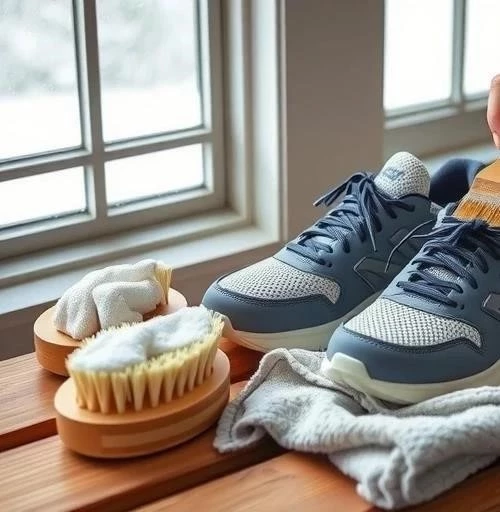
Winter can be tough on sneakers. Snow, road salt, slush and repeated changes between cold outdoors and warm indoors can stain materials, weaken adhesives and leave shoes damp or misshapen. A little regular care helps Reebok winter sneakers stay comfortable and presentable for longer. Since Reebok models use different combinations of leather, suede, mesh, synthetic panels and insulation, always check the care label and product instructions first. When in doubt, test a cleaner on a small, hidden area.
Prepare before wearing
Before the first outing, brush away dust and apply a water-repellent protector suitable for the sneaker’s materials. Use a product specifically labelled for leather, suede or fabric as appropriate; one formula is not necessarily safe for every panel. Apply it in a well-ventilated place, following the directions, and allow the shoes to dry completely before wearing them. A protector can help resist light moisture and dirt, but it does not make sneakers waterproof. Avoid soaking the shoes or relying on them for deep snow unless the model is designed for those conditions.
Clean off winter dirt promptly
After a walk, let loose snow fall away and use a soft brush or dry cloth to remove grit. Don’t rub wet mud into the upper: blot it gently and let it dry before brushing. For routine cleaning, remove the laces and insoles if the design allows. Mix a small amount of mild soap with cool or lukewarm water, dampen a clean cloth, and work gently over suitable surfaces. Use a separate soft brush for textured areas and a clean, slightly damp cloth to lift away soap. Avoid aggressive scrubbing, bleach, solvents and strong household cleaners, which may alter colour or damage finishes.
Treat salt stains carefully
White marks often come from road salt. Deal with them as soon as practical, because salt residue can dry into the material. First brush away loose deposits. On washable synthetic or textile areas, lightly dab with a cloth dampened with clean water, then blot dry; do not flood the shoe. Leather and suede need more care: use a cleaner made for that material and follow its instructions. Suede should not be rubbed while wet. Once fully dry, lift its nap gently with a suede brush. If a mark remains, repeat a gentle treatment rather than applying more force. For valuable or delicate pairs, a professional shoe-care service is the safer option.
Dry slowly and thoroughly
Never put Reebok sneakers on a radiator, next to a heater, in a tumble dryer or under direct, intense sunlight. High heat can shrink or warp parts, stiffen leather and affect glue. Remove excess moisture by blotting with a towel, then loosen the laces and open the tongue to improve airflow. Stuff the shoes lightly with plain, unprinted paper or use shoe trees that are suitable for the material. Replace damp paper as needed. Leave the pair to air-dry at room temperature, and make sure the inside is dry before wearing it again. This helps prevent odour and discomfort.
Protect different materials
- Leather: Wipe away dirt with a soft damp cloth and use a leather cleaner or conditioner only when appropriate for the finish. Too much conditioner can leave the surface greasy.
- Suede and nubuck: Keep water to a minimum. Brush when dry, use a suede eraser for small scuffs, and choose a protector labelled for these materials.
- Mesh and fabric: Clean gently with a soft brush and mild soapy water. Avoid hard brushing that can snag or distort fibres.
- Synthetic panels: Usually tolerate gentle wiping, but test first; coatings and colours vary between models.
Many sneakers combine several of these materials. Treat each panel according to its needs and avoid letting cleaner run from one surface onto another.
Keep the sole and interior fresh
Use a brush to remove packed snow, grit and stones from the outsole grooves. A damp cloth can clean the sidewalls; keep water away from openings and seams where possible. Check the tread regularly, since worn or damaged soles may offer less grip on slippery ground. Remove insoles only if they are designed to come out, and air them separately. Let footwear dry between wears, rotate pairs when possible, and use a shoe deodorizer suitable for the materials if needed. Don’t mask persistent dampness with fragrance: find the source and dry the shoes completely.
Store them properly
Before putting winter sneakers away, clean off dirt and salt and ensure every part is dry. Store them in a cool, dry, ventilated place, away from direct sunlight and heat. Avoid sealed plastic bags, which can trap moisture. Keep the shoes in their original box or a breathable shoe bag, with light stuffing to help maintain their shape. Store them away from chemicals and sharp objects, and check them occasionally if they will be unused for a long period.
Quick winter-care routine
- Brush off snow, grit and dry dirt after each outing.
- Blot wet areas; never scrub mud into the upper.
- Remove salt marks gently with a material-appropriate method.
- Air-dry at room temperature with the shoes opened up.
- Refresh the protective coating as directed on its label.
Remember: gentle, frequent cleaning is safer than an occasional deep wash. Avoid putting winter sneakers in a washing machine unless the care instructions for that exact model explicitly allow it. With prompt cleaning, careful drying and material-specific protection, your Reebok pair can remain cleaner, more comfortable and ready for many cold-weather outings.