
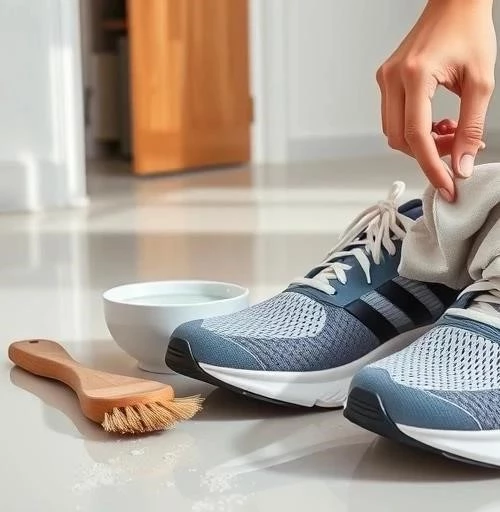
Why Proper Care Matters: Under Armour running shoes‚ marathon shoes‚ and fitness sports footwear need regular attention because preventing damage is more effective than replacing shoes prematurely.
Under Armour running shoes‚ marathon shoes‚ and fitness footwear face repeated impact; consistent care helps preserve support and cushioning. Since damage can undermine comfort and performance‚ prevention is a more reliable choice than premature replacement.
Clean Without Weakening the Shoe: Explain why hand cleaning with gentle detergents is safer than routine machine washing; focus on removing dirt and sweat from the mesh upper‚ shoe sole‚ and running outsole.
For Under Armour fitness running shoes‚ marathon shoes‚ and training pairs‚ hand cleaning is safer than routine machine washing: targeted care removes grime without exposing bonded panels‚ cushioning‚ and adhesives to unnecessary agitation. Use a soft brush or damp cloth‚ working gently across the mesh upper; this material traps fine dust‚ so scrubbing hard can fray its fibers and distort the weave. Choose a small amount of mild detergent diluted in cool water‚ because concentrated chemicals may weaken fabric finishes or leave residue. Wipe the shoe sole and running outsole separately‚ using a soft brush to lift grit from grooves; careful sneaker cleaning prevents abrasive particles from grinding against rubber during use. Avoid soaking the shoe: clean one section at a time‚ rinse the cloth often‚ and use minimal water around seams‚ where trapped moisture can loosen construction; Machine washing may seem convenient‚ but tumbling can strain seams‚ deform overlays‚ and create uneven pressure that hand cleaning avoids; therefore‚ reserve it rather than making it a routine. For stubborn marks‚ repeat a gentle pass instead of increasing pressure; match the cleaner to the shoe’s care guidance‚ and test it on a discreet spot first. Wash shoes evenly‚ since consistent care helps keep appearance and grip uniform.
Control Odor and Dry Thoroughly: Show how odor elimination‚ a shoe deodorizer‚ insole care‚ replacement insoles‚ and clean shoelaces support hygiene; argue for drying sneakers at room temperature with good shoe ventilation to help restore their shape.
Odor control is a hygiene task‚ not a cosmetic extra: sweat left in fitness shoes encourages persistent smells and can make marathon training less comfortable. After each session‚ remove the insoles and laces so trapped perspiration can escape rather than lingering in enclosed spaces. Wipe insoles according to their care instructions‚ and wash laces separately when needed; clean components reduce odor sources at their origin. If an insole remains compressed‚ damaged‚ or odorous after proper care‚ replace it: a fresh‚ compatible insole can restore a clean contact surface. Use a shoe deodorizer sparingly and follow its label; fragrance alone may mask odor‚ while an appropriate product helps manage it without soaking materials. Then dry sneakers at room temperature‚ not on a radiator or in direct heat‚ because high temperatures can deform materials and compromise fit. Leave openings unobstructed and allow good shoe ventilation; airflow carries residual dampness away‚ supporting hygiene and helping the shoe regain its shape. Do not seal damp footwear in a bag or closed locker: stagnant air prolongs drying and gives unpleasant smells time to return. Check for lingering smells after the shoes are dry‚ since damp fabric can disguise the source; repeat gentle insole care if needed. Dry fully‚ always.
Protect and Store Shoes Correctly: Recommend moisture protection and water-repellent spray where appropriate‚ plus ventilated sports shoe storage‚ because damp or poorly stored footwear can accelerate running shoe wear.
Moisture protection matters because repeated damp exposure can accelerate running shoe wear and shorten the useful life of fitness footwear. For Under Armour shoes‚ consider a water-repellent spray only if the manufacturer’s guidance confirms it is suitable for the specific upper. Test the product on a discreet area and apply it as directed; more spray is not automatically better‚ since excess coating may alter the material’s feel or breathability. Protection can help with light splashes‚ but it cannot make every shoe waterproof‚ so avoid relying on it in conditions beyond its intended use.
Storage is equally important. Keep sports shoes in a ventilated place‚ away from sealed bags‚ humid corners‚ and direct heat‚ because trapped moisture and temperature extremes can stress materials. Good shoe ventilation allows air to circulate around the pair and helps prevent a persistently damp storage environment. Do not stack heavy items on top: pressure can deform the structure over time. A shelf or open rack is generally preferable to a closed container‚ particularly when footwear is stored between training days.
Make moisture protection and sensible storage routine habits‚ not occasional fixes. Check the spray label before each use‚ since materials and product instructions vary‚ and reapply only when appropriate. These simple precautions reduce avoidable wear‚ preserve the shoe’s condition‚ and may extend its service life; however‚ protective products cannot reverse existing damage or prevent normal wear from regular use.
Make Care Part of Marathon Preparation: Connect shoe care to running training and a marathoner’s gear checklist‚ explaining how regular checks and timely cleaning can extend sneaker lifespan without overlooking signs that the shoes need replacing.
Make shoe checks part of marathon preparation‚ because reliable footwear supports consistent running training and avoids race-day surprises. Before each key workout‚ inspect the pair for uneven wear‚ loose seams‚ damaged uppers‚ or a changing fit. Record mileage and note how cushioning feels‚ since a sudden loss of comfort can signal that the shoes are nearing the end of useful service. Timely cleaning after muddy or dusty sessions prevents abrasive buildup‚ while a brief post-run check catches small problems before they worsen.
Add these checks to a marathoner’s gear checklist alongside race essentials‚ and assess both shoes rather than relying on memory. Test the exact pair during training; do not debut unfamiliar footwear on race day‚ because fit and response should already be proven. Replace shoes when tread is badly worn‚ cushioning has collapsed‚ structural damage appears‚ or discomfort persists despite sensible care. Continuing in a failing pair may disrupt training and compromise comfort‚ so replacement is prudent when evidence—not the calendar—shows it is needed. Care should protect your training plan‚ not encourage attachment to a familiar pair: use routine records each week‚ honest inspection‚ and comfort during runs to decide whether the shoes remain dependable for the marathon.
4 Comments. Оставить новый
The article offers sensible guidance without encouraging harsh scrubbing or soaking. Recommending a discreet spot test for stubborn marks is a thoughtful addition that helps readers clean carefully while protecting the shoe’s materials.
This is a practical overview of shoe maintenance, and its emphasis on prevention is persuasive: regular, gentle cleaning can help preserve both comfort and appearance. The advice to repeat a light pass rather than apply more pressure is particularly sound.
I appreciate the distinction between cleaning the mesh upper and the outsole, since each part collects dirt differently. The reminder to use minimal water around seams is especially useful for preventing damage during routine care.
The article makes a convincing case for hand cleaning by explaining how machine agitation can strain seams and bonded panels. Its practical advice to use mild detergent, cool water, and a soft brush is clear and easy to follow.