
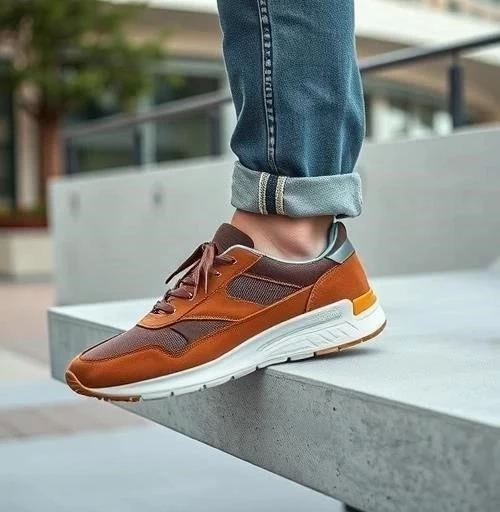
ASICS is best known for athletic footwear, but some of its designs also appeal to skaters and people who like skate-inspired style. Choosing a pair for everyday wear means balancing appearance with comfort, durability and the kind of support you actually need. A shoe that looks right may not feel good after a full day on your feet, while a highly cushioned running shoe may not offer the stable, close-to-the-board feel a skateboarder wants. Use the guide below to compare your options and find a pair suited to your routine.
Start with how you will wear them
First decide whether you want shoes mainly for walking, for occasional skateboarding, or for regular sessions at the skatepark. These uses overlap, but they are not identical. For everyday wear, a comfortable fit, manageable weight and versatile colour may matter most. For skating, grip, a secure fit and resistance to abrasion become more important. If you expect to do both, look for a design intended for skateboarding rather than assuming that any ASICS sneaker with a flat-looking sole is suitable for tricks.
ASICS releases vary by model, collection and market. Some shoes are designed for running or general lifestyle use; others may be skate-oriented or skate-inspired. Check the product description and construction instead of relying on the brand name, the silhouette or a seller’s broad category label. If a listing does not clearly say what the shoe is made for, look for reliable product details or ask the retailer before buying.
Check the sole and grip
The outsole affects both comfort and control. For skating, a relatively flat contact area and a grippy rubber tread can help the shoe feel predictable on a board. A vulcanized sole often gives a flexible, close-to-the-board sensation. A cupsole construction may feel firmer and offer a more substantial platform. Neither construction is automatically best for everyone: board feel, impact protection and flexibility are personal preferences, and designs differ between models.
For everyday walking, pay attention to how the sole feels on hard floors and pavement. A very thin, firm sole can look authentic but may become tiring if you walk long distances. A thick, soft sole can feel comfortable at first yet seem less stable or less direct for skateboarding. Check the outsole pattern, too. It should look evenly made, with no obvious gaps, peeling edges or unusually smooth patches on a new pair. Remember that grip wears down with use, particularly if you skate.
Consider cushioning and support
ASICS models may include different midsole materials and cushioning systems, but technologies and features are not identical across the range. Read the description for the specific pair rather than assuming that a feature found in one ASICS running shoe is also present in a skate-style model. For daily use, cushioning can make hard surfaces feel more forgiving. For skateboarding, too much softness may reduce the direct feel some riders prefer, while too little cushioning may feel uncomfortable when landing or walking for hours.
Think about your routine: a short commute and occasional errands place different demands on a shoe than a day spent standing or walking across town. If possible, try the pair on and walk around on a firm surface. The shoe should feel supportive without forcing your foot into an unnatural position. People who need particular arch support or have persistent foot discomfort should prioritise a suitable fit and, if needed, seek advice from a qualified footwear professional.
Get the fit right
A good everyday fit is secure but not tight. Your toes should have room to spread, and the heel should not slip excessively as you walk. Try shoes on with the socks you normally wear. Check both feet, since one may be slightly larger, and allow a little room at the front without letting your foot slide around. A padded collar or tongue can improve comfort, but it should not press painfully against your ankle or instep.
Do not choose a size based only on the number printed inside another pair. Sizing and shape can vary between models, and a skate shoe may feel different from a running shoe. Use the retailer’s size guide as a starting point, then check its exchange and return policy. If ordering online, inspect the seller’s measurement guidance and try the shoes indoors on a clean surface until you are sure the fit is right. For skating, a loose fit can reduce control; an overly tight fit can cause discomfort during an ordinary day.
Look at materials and construction
Upper materials affect feel, breathability, appearance and wear. Suede is common in skate-inspired footwear and can develop a distinctive look, but it needs more careful cleaning than smooth synthetic materials. Leather or synthetic overlays may be easier to wipe down, while mesh panels can improve airflow but may be less resistant to abrasion. Consider the season and your local weather as well as the way you plan to use the shoes.
If you skate, inspect high-wear areas such as the toe, the sides near the front of the foot and the seam where the upper meets the sole. Reinforced panels or sturdy stitching can help a shoe withstand friction, although no material is indestructible. For daily wear, neat finishing and comfortable lining may matter more than extra reinforcement. Check that seams lie flat against the foot and that the tongue stays reasonably centred when the shoe is laced.
Choose a style you will actually wear
Skate-inspired ASICS shoes can work with jeans, relaxed trousers, shorts and casual everyday clothing. Neutral colours are easy to combine and may show less wear than very light shades. Bright panels, distinctive logos or retro-inspired shapes can make the shoes a focal point, but they may be less versatile. Think about the clothes you already own rather than choosing a colour solely because it looks striking in a product photo.
Photos can make colours and proportions appear different from real life. Look at several images, including side and top views, and check whether the shoe has a bulky or low-profile shape. If you want one pair for work, commuting and weekends, consider whether its design fits your usual dress expectations. A style that feels comfortable and suits your wardrobe is more likely to become a regular choice.
Buy from a seller you can verify
When shopping online, compare product names, model details, photographs and descriptions across listings. Check who is actually selling the item, whether the retailer provides clear contact information, and what its return process allows. A very low price is not proof of a problem, but it is a reason to examine the listing carefully. Look for consistent product information, clear images and a reasonable explanation of the shoe’s condition if it is discounted, pre-owned or sold without its original packaging.
Marketplaces and multi-brand footwear stores can offer a wide selection, but availability and seller arrangements differ. Read recent reviews with care: useful comments describe fit, comfort and construction, while a rating alone may not tell you much. On receipt, compare the shoes with the order details and inspect the stitching, outsole, labels and overall finish. If something does not match the listing, contact the seller before wearing the pair outdoors.
Care for your shoes
Regular care helps keep a pair looking better for longer. Brush off dry dirt before it becomes embedded, and use a cleaner suitable for the upper material. Test any product on a small, inconspicuous area first. Avoid soaking the shoes or placing them directly beside a heater, since excessive heat can affect materials and adhesives. Let them air-dry naturally, and remove the insoles if they need separate airing and the design allows it.
Rotate between pairs when possible, especially if you wear the same shoes every day. If you skate, check the sole and upper regularly for worn-through areas, loose seams or separation. A shoe that is still fine for casual errands may no longer provide the grip or condition you want for skating. Keep expectations realistic: skateboarding creates friction and impact, so even a well-made shoe will eventually wear out.
A quick checklist before you buy
- Decide whether the pair is for daily walking, skateboarding or both.
- Confirm that the specific model is described as suitable for your intended activity.
- Compare sole grip, flexibility and cushioning with your preferences.
- Check the fit with your usual socks and make sure the heel feels secure.
- Choose upper materials that match your comfort needs, climate and maintenance habits.
- Review the seller, product details, price and return policy before ordering.
- Pick a colour and shape that work with the clothes you already wear.
Final advice
The right ASICS skate-style shoe is not simply the one with the most eye-catching design or the softest cushioning. It is the pair whose construction matches your plans, whose fit remains comfortable through an ordinary day, and whose style suits your wardrobe. If you skate regularly, prioritise grip, board feel and abrasion resistance in a model specifically made for skating. If you mainly want everyday sneakers, focus on comfort, fit, versatility and ease of care. Comparing those details before you buy is the simplest way to choose a pair you will enjoy wearing.
2 Comments. Оставить новый
A helpful overview of the factors that affect comfort and board feel. The balanced discussion of vulcanized and cupsole construction avoids suggesting there’s one ideal choice for everyone.
The guide makes a useful distinction between everyday wear and actual skateboarding, and its advice to check the specific model is especially practical. I’d also appreciate seeing a few example models compared.