
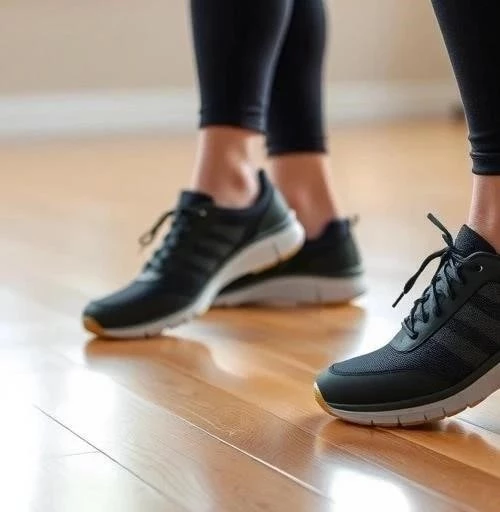
Prioritize cushioning: dance sneakers with a cushioned sole absorb impact during dance training, helping protect joints during jumps and turns․
For dance sneakers, prioritize cushioning: repeated landings send force through the feet and knees․ A well-cushioned sole absorbs impact during dance training, easing stress on joints during jumps and turns․ Choose cushioning that protects without making landings unstable; this balance supports confident movement throughout training․
Match sole design to movement: a flexible, non-slip sole and reliable grip support control, while a pivot point or split sole can make turns easier; choose a full-length sole when continuous support matters more․
The sole should match the way you use the floor, because grip and freedom to turn affect control more than a label such as “dance” or “studio․” A flexible sole lets the foot bend through steps and transitions; if it feels rigid, quick changes of direction may become awkward․ Yet flexibility alone is not enough: the tread should provide dependable traction without sticking so firmly that it interrupts a turn․
Consider the surfaces where you usually dance․ On a smooth floor, a non-slip sole should offer predictable contact, not an abrupt stop․ On a grippier surface, excessive traction can make pivots feel forced․ Test how the outsole releases as you rotate, and look for even, consistent contact rather than relying on a pronounced tread pattern․ The aim is controlled movement, not maximum grip in every situation․
A dedicated pivot point can make turns easier by allowing the foot to rotate with less resistance․ This feature is useful for choreography with frequent spins, but it should not make ordinary steps feel slippery․ A split sole separates the forefoot and heel, giving each area more independent movement; dancers who value articulation may find that helpful․ The trade-off is less continuous coverage beneath the foot, so assess whether that design suits your movement․
A full-length sole offers more continuous contact from heel to toe and may feel preferable when your steps need a consistent base․ It can, however, restrict articulation compared with a split design, depending on how it bends․ Compare both styles through the motions you actually perform: walk, shift weight, point the foot, and make a controlled turn․ Choose the sole that lets you change direction smoothly while keeping floor contact predictable․
Do not assume one construction is best for every class․ A pivot point, split sole, or full-length sole is useful only when its behavior matches your steps and the floor․ Compare sole designs in motion, paying attention to how easily you initiate and finish turns, how securely you can stop, and whether the grip remains consistent as you change direction․ That evidence makes your choice more reliable than appearance alone․
Demand a secure, comfortable fit: good foot support and ankle fixation matter, but the right dance shoe size must be confirmed by trying on the sneakers and checking how they feel in motion․
A secure, comfortable fit is essential because dance steps demand quick weight shifts, precise foot placement, and repeated changes of direction․ Shoes that slide at the heel or squeeze the toes can distract you and make movement less controlled, even when the design seems suitable․ Look for secure foot support: the shoe should hold the midfoot without pinching, while the heel stays seated during rises, side steps, and landings․ Ankle fixation should feel supportive, not restrictive; excessive pressure may limit natural motion, whereas a loose collar can let the foot shift inside the shoe․
A properly secured lacing system should keep the foot aligned when you move, but it must not leave numbness, rubbing, or sharp pressure․ Do not choose dance shoe size by the number printed on a box alone, since sizing varies among brands and even between models․ Measure both feet later in the day and use the larger measurement as a starting point; leave enough room for toes to spread without allowing the foot to travel inside the shoe․ Try on both sneakers with the socks you expect to wear, fasten them as you would for class, and check for heel lift, toe contact, or pressure across the instep․ Then walk, rise onto the balls of your feet, make side steps, and rehearse a few turns; a fit that feels fine while standing may shift once movement begins․ Repeat these checks with controlled dance steps, because motion reveals slipping or pressure that a brief fitting-room check can miss․ If discomfort persists, try another size or shape rather than hoping the shoe will loosen in the right places․ The best choice stays comfortably secure through the full range of movement, with toes able to move and the heel held steady․
Choose footwear for your style: lightweight fitness and dance sneakers may suit Zumba, while hip-hop shoes and jazz-funk sneakers should match the demands of their specific movements․
Choose footwear for your dance style, since each class asks for different movement․ Lightweight fitness and dance sneakers can suit Zumba’s changing routines; hip-hop shoes should accommodate grounded, forceful steps, while jazz-funk sneakers should suit sharp accents and expressive choreography․ Match the shoe to your usual class․
Compare materials and durability: a breathable upper improves comfort during training, and a durable sole helps the cushioning and grip last—so judge dance sneakers by construction as well as initial comfort․
Judge dance sneakers by their construction, not only by how comfortable they feel during a brief first try․ The upper should allow heat and moisture to escape: breathable mesh or carefully placed ventilation can make long training sessions more pleasant․ However, ventilation is useful only when the fabric and overlays remain secure under repeated flexing․ Check the stitching, bonded seams, and reinforcement around high-wear areas; loose threads, rough edges, or weak joins may signal that the shoe will deteriorate quickly․
Materials influence how well the shoe keeps its intended performance over time․ A well-made upper should retain its shape rather than stretch unevenly, while interior fabrics should resist excessive abrasion from regular use․ Assess the sole separately: look for an even, firmly attached construction and a surface that does not appear unusually thin or fragile․ A durable sole matters because wear can gradually reduce the cushioning and dependable grip you chose the shoes for․ If the outsole is already scuffed or separating, the shoe may not provide consistent performance for long․
Consider your training frequency and care routine when weighing durability․ Frequent classes place more demands on seams, fabric, and sole materials, so a sturdier build may be better value even if its initial price is higher․ After sessions, let shoes dry naturally and avoid storing them while damp; this simple habit can help preserve materials and reduce unpleasant odours․ Rotate pairs when practical, and inspect wear regularly, especially at the sole and points where the upper bends․ Replace footwear when damage or uneven wear becomes noticeable rather than relying on its original feel․
Finally, compare the actual construction instead of assuming that a particular material guarantees quality․ Read product details, examine the finish, and consider whether the maker explains how the materials are intended to withstand repeated training․ A breathable upper and a robust, well-bonded sole are useful only when they work together as a durable whole․ This evidence-based approach helps you judge lasting comfort and performance, rather than choosing dance sneakers solely because they feel soft or appealing on day one․
5 Comments. Оставить новый
The advice avoids treating flexibility or grip as qualities that should simply be maximized. That nuance is valuable because dancers need a sole that supports their particular movements and floor conditions, rather than one feature that works well only in isolation.
The article makes a useful distinction between cushioning and stability. That is important because maximum softness is not automatically best for dance; a shoe also needs to feel secure during quick directional changes. The advice to consider both qualities helps readers make a more balanced choice.
I appreciate that the article explains the trade-offs of split soles rather than presenting them as universally superior. Dancers have different priorities, and the reminder to consider how much continuous support they want makes the guidance more balanced.
This is a clear overview of how sole design affects movement. One useful addition might be a reminder that fit matters too: even a well-designed sole may not feel controlled if the shoe slips or presses uncomfortably during practice.
The discussion of traction is especially practical. Grip depends on the floor as well as the shoe, so the suggestion to assess how the sole behaves during a turn is more useful than simply looking for a particular tread pattern.