
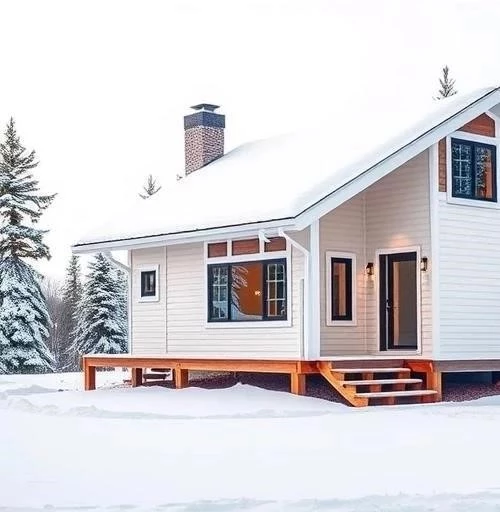
In regions with long, cold winters, a facade must do more than improve a home’s appearance․ It should resist frost, moisture, wind and repeated freeze–thaw cycles while helping keep indoor temperatures stable․ Choosing facade materials for a cold climate therefore requires considering the whole wall assembly, not just the visible finish․
Start with the building envelope
Assess the existing walls, local weather, exposure and heating needs before choosing exterior cladding․ Facade insulation and wall insulation should be designed together with the structure and interior layers․ A correctly positioned dew point helps reduce condensation inside the wall․ Material vapor permeability matters: layers should allow moisture to escape in a controlled way, while facade airtightness limits drafts and heat loss․ A building professional can calculate the assembly for the specific home․
Mineral wool is often used in ventilated systems because it is vapor-permeable and non-combustible․ Expanded polystyrene can be suitable in some rendered systems, but its use depends on fire-safety requirements and the wall design․ Neither insulation type is universally best; The selected system must manage moisture and provide protection against freezing without trapping water in the structure․
Compare finishes and systems
A ventilated facade uses a ventilation gap between the insulation and outer cladding․ This space helps drain moisture and supports drying, provided the openings and detailing are correctly designed․ Facade panels, fiber-cement panels and facade siding are common cladding options․ Check their tested frost resistance, water resistance, UV resistance and suitability for the local wind load and snow load․
Clinker tile and facade plaster can also be used in cold regions when installed as part of a compatible, documented system․ Tile needs a stable base and suitable adhesive; plaster requires careful preparation and weather-appropriate application; For any finish, consider impact resistance, maintenance, availability of replacement parts and the expected durability of the facade finish․
Account for movement and installation
Temperature fluctuations cause materials to expand and contract․ This thermal expansion should be accommodated through joints, fixings and installation clearances specified by the manufacturer․ Poor detailing around windows, roof edges, corners and the base of the wall can let water in and compromise facade moisture resistance․ A continuous drainage path and correctly installed flashings help protect the assembly․
Winter facade installation may be possible, but only when the chosen products and site conditions allow it․ Many wet-applied materials need temperatures within specified limits and protection while curing․ Cold-weather shortcuts can cause weak adhesion or cracking․ Follow the system instructions, including requirements for storage, substrate preparation and temporary heating․
Make a climate-specific choice
For a private house or a home in a northern region, compare complete systems rather than isolated products․ Review test data, warranties, fire classification and installation details with a qualified contractor․ A well-designed facade can improve home energy efficiency, reduce the risk of frost damage and maintain a comfortable indoor environment․ The right solution balances appearance, cost, service life and performance under local conditions․

6 Comments. Оставить новый
The explanation of ventilated facades clearly identifies the role of the gap in drainage and drying, while also pointing out that correct detailing is important.
The comparison of mineral wool and expanded polystyrene is balanced, noting that suitability depends on the wall design and safety requirements rather than presenting one option as universally best.
The recommendation to assess the existing walls and local conditions before choosing a finish is practical. It also appropriately notes the value of professional design for the wall assembly.
The article usefully emphasizes that facade materials should be selected as part of a complete wall assembly. Its discussion of moisture management and insulation makes the topic easier to assess.
The coverage of several cladding and finish options gives readers a useful starting point for comparing systems, with attention to installation requirements as well as material properties.
The article provides a helpful overview of factors to check in a cold climate, including frost resistance, wind exposure, and moisture behavior.