
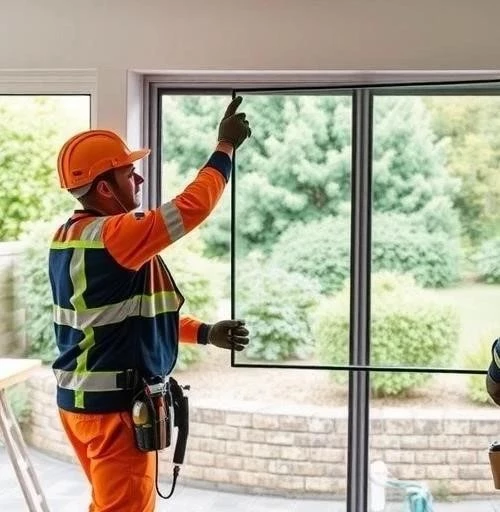
Panoramic glazing can turn a summer house into a bright‚ open living space‚ but large glass areas must be designed as part of the building—not treated as ordinary windows made bigger. The right technology depends on the building’s structure‚ local climate‚ intended use and budget. Careful planning is essential: attractive glazing that leaks heat or shifts under wind loads is a costly mistake.
Start with the structure and the survey
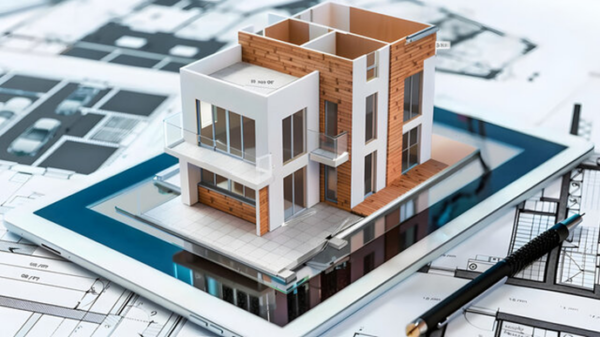
Before ordering units‚ specialists should measure the openings and check the load-bearing structure. A panoramic system can be heavy‚ so the supporting structure and reinforced frame must carry its weight and resist wind loads without transferring excessive stress to the glass. Secure frame fixing should follow the wall material and the manufacturer’s specifications. If an opening needs modification‚ an engineer must confirm that the work will not weaken the building.
Choose a frame and glazing system
An aluminium profile is strong and slender‚ making it suitable for wide spans and façade glazing. For a heated room‚ choose a thermally broken system: the thermal break reduces heat transfer through the frame. A PVC profile usually offers good thermal insulation at a lower cost‚ although its size and reinforcement can limit very large panels. Frameless glazing gives an especially open view‚ but it is not automatically the warmest or safest choice.
For year-round use‚ warm glazing with energy-efficient insulated glass units helps limit heat loss and condensation. Solar-control glass can reduce overheating and glare‚ while multifunctional glass combines solar control with improved thermal performance. Tempered glass is stronger than standard glass‚ and laminated glass (triplex) holds together if broken‚ improving safety. The glass specification should reflect panel size‚ impact risks and the local climate.
Installation details matter
Professional installation of panoramic windows begins with accurate measuring‚ preparation of the opening and careful placement of the glass units. Installers must use suitable hardware for panoramic windows‚ including hinges‚ locks or sliding systems rated for the panel’s weight; A sound frame fixing is only one part of the job: the installation joint must be insulated and sealed against air and water‚ while a drainage system must carry rainwater away. Correct sealing of joints and protection against freezing help prevent drafts‚ leaks and damage.
Ventilation also needs attention. A ventilation valve‚ or a planned mechanical system‚ can provide fresh air without relying on open windows. Without adequate ventilation‚ moisture may collect on cold surfaces‚ even when the glazing itself performs well.
Match the system to the use
Cold glazing can suit a terrace used mainly in warm weather; it is lighter and often more economical‚ but offers limited insulation. Warm glazing is preferable for an enclosed space used throughout the year. For terrace glazing or glazing a country house‚ sliding systems can save space and connect indoors with the garden‚ provided their tracks and drainage are designed for outdoor exposure.
The best result comes from treating panoramic glazing as a coordinated system: structure‚ frame‚ glass‚ installation and ventilation must work together. Insist on a site survey‚ documented specifications and qualified installation. This approach costs more than choosing by appearance alone‚ but it improves comfort‚ safety and durability—and makes the view worth having.

7 Comments. Оставить новый
The article wisely avoids presenting frameless glazing as automatically superior. A minimal appearance can be appealing, but the system still needs to meet the building’s safety, insulation and structural needs.
The comparison of aluminium and PVC frames is useful because it connects material choice to both span and thermal performance. The best option depends on the opening size and how the room will be used.
This is a clear overview of the trade-offs involved in choosing panoramic windows. It helps readers understand why climate, intended use and budget should guide the specification rather than appearance alone.
Accurate measurements and secure fixing deserve emphasis because even a high-quality window can perform poorly if it is installed incorrectly. Following the manufacturer’s specifications is a practical safeguard.
The article makes an important point: panoramic glazing is a structural decision, not simply a style choice. Checking the opening and its supports before selecting a system can help prevent expensive problems later.
The discussion of solar-control glass adds useful context to energy efficiency. In a sunny location, reducing heat and glare may matter as much as limiting heat loss during colder weather.
I appreciate the distinction between tempered and laminated glass. Safety requirements should be considered alongside views and insulation, especially where large panes could be exposed to impact.