
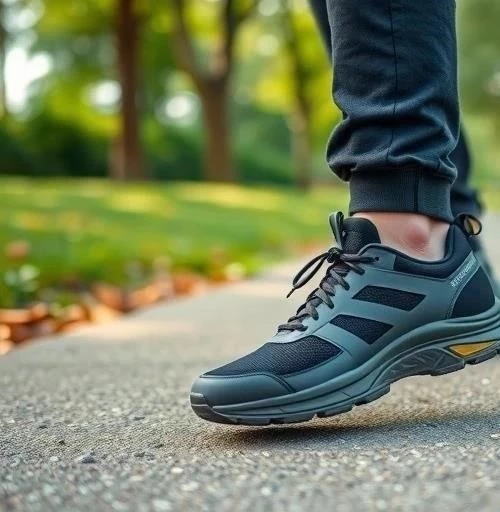
Puma trail shoes are designed to handle uneven ground, loose surfaces and changing conditions. Those features can also make them useful for everyday life: walking the dog, commuting on foot, travelling, or taking a route that switches between pavement and park paths. But a shoe that works well on a trail is not automatically the best choice for wearing all day. The right pair should suit your usual surfaces, feel comfortable from the first try-on, and offer a level of grip and protection you will actually use.
Start with your routine rather than the product name. Think about how many hours you will wear the shoes, how far you typically walk, and whether your routes are mostly paved, mixed, or genuinely rough. Then compare cushioning, fit, outsole, weight and weather protection. Puma’s range and specifications can change by season and market, so check the details of the particular model and version available where you shop.
Match the shoe to your everyday route
Trail outsoles are made to provide traction on surfaces such as dirt, gravel and packed paths. Their deeper lugs can be helpful when you regularly walk through parks, on unpaved paths, or on wet and uneven ground. If your daily route is almost entirely smooth pavement, however, aggressive tread may be unnecessary. It can feel less natural underfoot on hard, flat surfaces and may wear more quickly when used mainly on concrete.
For a mixed commute, look for a versatile outsole with enough grip for paths but a shape and ride that still feel comfortable on pavement. Consider the depth and spacing of the lugs: widely spaced, prominent lugs are generally aimed at softer or looser terrain, while a less aggressive pattern may be easier to live with on city streets. Product descriptions can help, but if possible, examine the outsole and try the shoe on the surfaces you use most.
Also think about the conditions you encounter. Mud, wet leaves and loose gravel call for more dependable traction than dry sidewalks. No outsole makes a shoe slip-proof, and slick floors, ice and polished surfaces can remain hazardous. Choose grip for your real routes rather than assuming that a trail label guarantees safety everywhere.
Prioritise comfort for long days
For everyday wear, cushioning matters because you may spend much longer standing and walking than you would during a short run. Puma trail models can use different midsole designs and foam compounds, so do not choose solely by brand name or by the word “cushioned.” Pay attention to how the shoe feels under your heel and forefoot, whether your foot rolls comfortably through a step, and whether the midsole feels supportive rather than unstable.
More cushioning is not automatically better. A soft, high-feeling platform may be pleasant to some people but feel wobbly to others, especially on sloped or uneven paths. A firmer shoe can feel more controlled, though it may not suit someone who wants a plush sensation for long pavement walks. Try both feet, walk around for several minutes, and notice whether comfort continues after the first impression.
Weight is another everyday consideration. A sturdy shoe can provide useful protection, but extra material may feel tiring during a long commute or a day of sightseeing. If you want one pair for walking and occasional easy trail use, aim for a balance rather than choosing the most rugged option in the range. Check the listed weight when available, but remember that fit and perceived weight matter more than a number alone.
Get the fit right
Fit is one of the most important factors, especially if you will wear the shoes for hours. Your heel should feel secure without rubbing, and the midfoot should feel held without painful pressure. At the front, leave enough room for your toes to spread and for your foot to move slightly downhill. Trail shoes sometimes have a more protective or structured toe area than casual trainers, so check that it does not press on your toes.
Try shoes on later in the day if possible, when feet may be a little larger. Wear the socks you expect to use regularly, and test both shoes: feet are not always the same size. Walk, turn and go up and down a ramp or stairs if the shop allows it. If your heel slips, the toe box pinches, or the arch area feels uncomfortable, do not assume that the shoe will necessarily “break in” enough to fix the problem.
Consider how the fit changes with your intended use. A thin everyday sock may leave more room than a thicker hiking sock. If you sometimes use orthotics, bring them along and check that they sit properly inside the shoe. Do not size up automatically to solve a tight fit; a longer shoe can cause heel movement. Compare another width or a different model if available.
Decide whether you need waterproofing
A water-resistant or waterproof version can be appealing for rainy commutes and damp paths. It may help keep water out in certain conditions, but it can also feel warmer and less breathable than a non-waterproof shoe. Waterproof construction does not mean that a shoe stays dry in every situation: water can enter over the collar, and prolonged exposure or deep puddles can overwhelm the protection.
If you live in a mild or warm climate, walk mostly on dry pavement, or value airflow, a breathable upper may be more comfortable for daily wear. If you routinely encounter rain, wet grass or cold conditions, weather protection may be worth the trade-off. Look for the exact construction described for the model you are considering; do not assume every Puma trail shoe has the same membrane or water resistance.
Compare Puma models by purpose
Puma’s trail collection may include shoes aimed at different combinations of grip, cushioning, speed and protection. Names and specifications can vary across collections, so use the model name as a starting point, not as a substitute for checking the product page. For example, a shoe promoted for fast trail running may prioritise a lighter, more responsive feel, while a more robust design may offer additional structure or a more substantial outsole.
When comparing two options, check the intended terrain, upper materials, outsole description, midsole feel, heel-to-toe drop if listed, and whether the shoe is a standard or weather-protected version. Read recent reviews for comments about sizing, comfort on pavement and durability, but treat individual experiences as guidance rather than a guarantee. If a model’s purpose is unclear, ask the retailer or Puma for current specifications instead of relying on an old review.
Think about appearance and versatility
Trail shoes often have a more technical look than classic casual trainers, with pronounced tread, overlays and outdoor-inspired colours. If you want to wear them to work, school or social occasions, consider whether the design fits your wardrobe. Neutral colours can be easier to pair with everyday clothing, while brighter shades may be more visible outdoors. Appearance should not override comfort, but a shoe you enjoy wearing is more likely to become a useful part of your routine.
One pair may work for both daily walking and easy trails, but it may not be ideal for every activity. A heavily lugged shoe can feel awkward in a gym, and a trail upper may not provide the flexible, lightweight feel you prefer for running on roads. Decide what “everyday wear” means to you before paying extra for specialised features.
Check durability, care and value
Look closely at the upper, seams, toe protection and outsole attachment. These features can affect how a shoe stands up to repeated use, but no design is indestructible. Hard pavement can wear down trail lugs faster than softer ground, while frequent exposure to mud and moisture calls for regular cleaning and drying. Avoid drying shoes directly against a heater, which can damage materials or adhesives.
Compare prices across authorised retailers and check the return policy, especially if you have not tried the model before. A discount is useful only if the shoe fits and suits your route. Confirm whether the listing is for the exact model, colour and version you want, and check the retailer’s guidance on returns after indoor fitting. If you plan to use the shoes both outdoors and indoors, keep them clean and consider whether the outsole is appropriate for indoor floors.
A simple try-on checklist
- Does the shoe feel comfortable immediately, without sharp pressure or rubbing?
- Is your heel secure when you walk, without excessive slipping?
- Can your toes spread, with enough room at the front?
- Does the cushioning feel stable on both pavement and uneven ground?
- Is the outsole suitable for the surfaces you use most often?
- Will the upper suit your climate, socks and likely weather?
- Does the shoe feel light and versatile enough for a full day?
Bottom line
The best Puma trail shoe for everyday wear is not necessarily the most rugged, cushioned or expensive one. Choose a pair that fits your foot, feels comfortable over a realistic walk, and matches the balance of pavement and trails in your routine. For mostly urban use, favour a comfortable ride and a less aggressive outsole; for regular park paths and uneven routes, give traction and stability more weight. Check the current specifications, try the shoes with your usual socks, and let fit and real-world comfort guide the final decision.
4 Comments. Оставить новый
A helpful overview for anyone weighing trail shoes for commuting or everyday walks. The distinctions between paved, mixed, and rough routes make the choice feel less confusing.
I like that this explains why a shoe suited to rough trails may not be ideal for long hours on pavement. It gives readers useful factors to consider without treating one style as right for everyone.
A practical, balanced guide that focuses on how trail shoes feel in real everyday use rather than relying on marketing claims. The advice to match the outsole to your usual route is especially helpful.
The article is clear and easy to follow, and its emphasis on fit, comfort, and actual walking conditions makes the guidance feel grounded. Checking the specific model details is a sensible reminder.