
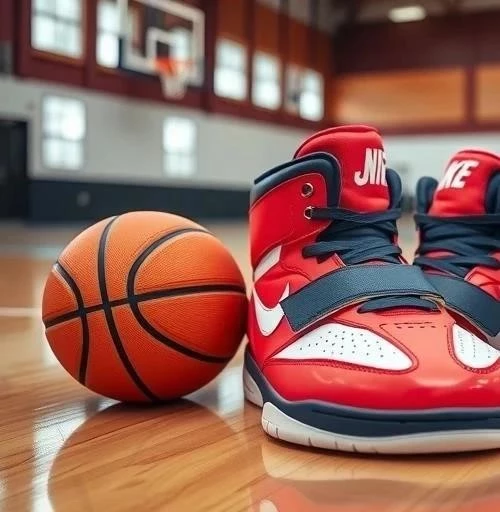
Choosing basketball shoes for a child is not just a matter of picking a favorite color or a famous logo. The right pair should fit securely‚ feel comfortable during movement‚ and suit the way the child actually plays. Reebok offers basketball-inspired designs‚ but the models and children’s sizes available can change by country and season. Treat this guide as a practical checklist‚ and confirm the specifications of the exact pair before buying.
Start with the child‚ not the brand
Think about where and how often the shoes will be used. A child who plays organized basketball several times a week needs a dependable court shoe with a stable fit and a sole designed for indoor traction. For occasional games or general everyday wear‚ a basketball-style Reebok sneaker may be adequate‚ but appearance alone does not prove that a shoe is built for demanding play. Check the product description for its intended use‚ construction‚ and care instructions.
Also consider the player’s age‚ experience‚ and comfort preferences. Younger children may benefit from easy-to-manage closures‚ while older players may prefer laces that allow them to adjust tension across the foot. A child should be involved in the fitting: comfort is personal‚ and a shoe that feels wrong in the shop is unlikely to become comfortable simply because it looks appealing.
Fit: the most important buying decision
Measure both feet while the child is standing‚ preferably later in the day‚ when feet may be slightly larger. Use the larger measurement as your guide and compare it with the brand’s current size chart. Sizes can vary between models‚ so do not rely only on the size of an older pair. If buying online‚ check the retailer’s return policy before ordering.
- Length: Leave a little room in front of the longest toe‚ but not so much that the foot slides forward during stops.
- Width: The shoe should hold the foot comfortably without pinching the sides or forcing the toes together.
- Heel: The heel should feel secure. A small amount of movement may occur‚ but repeated slipping can cause rubbing and make quick changes of direction less stable.
- Closure: Laces‚ straps‚ or a combination should keep the foot in place without creating pressure points. Check that the child can fasten them reliably.
Try both shoes with the socks the child will wear for basketball. Ask the child to walk‚ jog‚ rise onto the toes‚ and make gentle side steps. Their toes should not hit the front‚ and the foot should not slide around inside. Do not buy a much larger size “to grow into”: excess space can compromise control and comfort. Children’s feet grow quickly‚ so check the fit regularly rather than assuming a pair will last the whole season.
Traction‚ support‚ and cushioning
Basketball involves sudden starts‚ stops‚ and lateral movement. A suitable outsole should feel stable and provide reliable grip on the surface where the child plays. Indoor courts and outdoor asphalt are different environments: a sole that performs well indoors may wear faster outside‚ while a heavily worn or dirty outsole may lose traction. Keep the shoes clean and inspect the tread; replace them if it becomes smooth‚ damaged‚ or uneven.
Support is a combination of fit‚ structure‚ and movement control—not simply how high the shoe rises around the ankle. A high-top design does not guarantee protection from ankle injuries‚ and no shoe can prevent every injury. Look for a secure midfoot hold and a platform that feels stable when the child moves sideways. The shoe should not twist or collapse excessively under ordinary hand pressure‚ but avoid treating a simple squeeze test as proof of safety.
Cushioning should feel comfortable without making the child feel unstable. More cushioning is not automatically better; the best amount depends on the player‚ the shoe‚ and the court. If a child reports pain‚ numbness‚ persistent rubbing‚ or unusual discomfort‚ stop using the pair and reassess the size and fit. Ongoing pain should be discussed with a qualified healthcare professional.
How to assess Reebok options
Reebok’s basketball heritage includes performance and retro-inspired designs‚ but a familiar basketball look does not tell you whether a particular children’s model is intended for current court use. Product names‚ construction‚ and availability can differ across markets. Read the description for the exact model and age range‚ and look for clear information about the outsole‚ upper‚ closure‚ and recommended use. If those details are missing‚ ask the seller rather than guessing.
Compare the shoe with other suitable options on practical points: fit‚ grip‚ stability‚ weight‚ durability‚ and price. Do not pay extra merely for a retro name if the shoe does not fit well or meet the child’s needs. Conversely‚ a basic-looking model may be a better choice if it feels secure and is designed for the child’s playing conditions. Reviews can help identify recurring sizing comments‚ but one person’s experience cannot guarantee how another child’s foot will fit.
Care and replacement
Use basketball shoes primarily for basketball when possible. Wearing them outside can bring grit onto an indoor court and wear down the outsole more quickly. After play‚ let the shoes air-dry at room temperature; avoid direct heat‚ which can damage materials or adhesives. Remove loose dirt with a soft brush and follow the manufacturer’s cleaning guidance. Check laces‚ seams‚ soles‚ and the inside lining regularly.
Replace a pair when it no longer fits‚ the tread is significantly worn‚ the sole separates‚ or the shoe no longer feels stable. A shoe can look acceptable while having outgrown its useful fit. Recheck the child’s feet periodically‚ especially during growth spurts and before a new season.
Quick checklist before purchase
- Confirm that the exact Reebok model is suitable for the child’s intended use and playing surface.
- Measure both feet and consult the current size chart; try the shoes with basketball socks.
- Check toe room‚ width‚ heel hold‚ closure‚ and comfort during gentle court-like movements.
- Inspect the outsole and construction‚ and compare value rather than choosing by appearance alone.
- Keep the receipt‚ review return terms‚ and monitor fit and wear throughout the season.
Bottom line: Reebok can be a good choice when the specific children’s shoe fits securely and matches the child’s playing conditions. Prioritize fit and dependable court performance over color‚ trend‚ or a model name. A careful try-on and regular inspection are more useful than assuming that any basketball-branded sneaker will suit every young player.
1 Comment. Оставить новый
This is a practical, child-centered guide that rightly puts fit and intended use ahead of brand appeal. The advice to measure both feet and check the exact model’s size chart is especially useful, since sizing can vary. A clear reminder to test the fit while the child moves would make the checklist even more actionable.